King Island Itinerary: A 4-Day Guide to one of Australia’s Underrated Islands
Freedom Years Travel contains affiliate links. If you make a purchase using one of the links below, we may receive compensation at no extra cost to you. We only recommend products and services we use and trust. Read our disclaimer for more information.
What comes to mind when you think of King Island? For many Australians, it’s the cheese and beef. Yet this remote island off Tasmania’s north-west coast has recently gained wider attention after being named by Condé Nast Traveller as one of the places to visit in Oceania in 2026.
This 4-day King Island itinerary is designed to help you experience the island. From the windswept beaches and rugged coastal cliffs to quiet inland roads and welcoming locals, King Island is perfect for travellers who enjoy an unhurried pace and exploring independently.
Its dramatic shoreline also tells a darker story: King Island is known as the “Shipwreck Coast”, with more than 60 recorded wrecks, the result of treacherous seas and early maritime trade routes crossing Bass Strait.
My own visit carried an added layer of meaning. In the nineteenth century, my ancestors were among those shipwrecked here while travelling to Australia to begin a new life. Walking this coastline and learning the shipwreck stories is a reminder of the hardships on which Australia was built. It’s this combination of wild, unspoiled landscapes and human stories that sets King Island apart.
If you’re looking for an Australian island where days unfold at a relaxed pace, this King Island itinerary will help you plan a visit that feels unhurried — a reminder of a time when life was simpler, and the pace slower.
Where is King Island?
King Island sits in the Bass Strait, roughly halfway between Tasmania and Victoria, off Tasmania’s north-western coast. The island is 64 kilometres long and 26 kilometres wide, making it easy to explore over a few days without feeling rushed.
Around 1,600 people call King Island home, with about half the population living in the main township of Currie.
Is King Island Right for You?
King Island isn’t a destination for ticking off landmarks or filling busy days. It’s remote, weather-shaped, and wonderfully quiet. If you enjoy wide open landscapes, coastal walks, and the freedom to explore at your own pace, you’ll likely find its slower rhythm appealing.
This is an island where plans sometimes bend to the weather and where dining options can be limited on certain days. A car is essential, roads are often gravel once you leave the main routes, and mobile coverage is restricted to Telstra. In return, you’ll find uncrowded beaches, dramatic coastal scenery, and a strong sense of connection to the island’s past — particularly its shipwreck history.
If you’re looking for nightlife, resort-style facilities, or a packed schedule, King Island may feel too quiet. If you enjoy places that are peaceful, authentic, and slow-paced, King Island is the kind of place you won’t forget.
How Many Days Do You Need on King Island?
Four days is ideal for a King Island itinerary, giving you time to explore the coastline, lighthouses, shipwreck sites, and hidden beaches at a relaxed pace. Two or three days can cover the main highlights, but you’ll miss the slower, unhurried side of the island that makes it such a memorable destination.
Distances are short but wind and weather influence how you move around, so it’s worth shuffling the itinerary to suit the conditions.
Where to Stay on King Island
Where you stay on King Island can shape your trip. Most visitors base themselves in Currie, the main township on the west coast. It’s home to grocery stores, cafés, and restaurants, making it convenient for self-catering or short excursions. Staying here also puts you within easy reach of Currie Harbour, the lighthouse, and the King Island Historical Society Museum.
If you’re looking for scenic seclusion, the east coast offers quieter spots like Naracoopa with its sandy beaches and sheltered coves. This is ideal for beach lovers or anyone wanting a slower pace away from the main hub.
For a more luxurious stay, consider Kittawa Lodge, recently recognised by Condé Nast Traveller as one of Oceania’s must-visit accommodations in 2026. With stunning ocean views and elegant rooms, it’s perfect for combining comfort with the island’s rugged beauty.
Other options include self-contained cottages, boutique B&Bs, and farm stays. Wherever you choose, booking in advance is essential, especially in summer or during holiday periods.
1. Kittawa Lodge – Currie
Award‑winning, off‑grid luxury set on a dramatic, secluded waterfront, Kittawa Lodge was recently ranked among the best resorts in Australasia and the South Pacific by Condé Nast Traveller. Architecturally designed to connect with the landscape, each lodge features panoramic coastal views, refined interiors and bespoke experiences — perfect for anniversary getaways, or anyone wanting to unwind without distraction.
Check availability & book here2. King Island Accommodation Cottages – Naracoopa
Self-contained cottages in Naracoopa, offering a peaceful coastal base with easy access to a sandy beach on the island’s east coast.
Check availability & book here3. Island Breeze Motel – Currie
Highly rated, convenient base close to Currie Harbour, cafés, and shops.
Check availability & book here4-Day King Island Itinerary
This four-day itinerary offers a realistic way to explore King Island, balancing coastal scenery, short walks, shipwreck sites, and food stops without overloading each day.
This map highlights the key stops for each day, including coastal walks, shipwreck sites, food stops, and accommodation, grouped to follow the flow of the itinerary.
Day 1: Shipwreck Coast & King Island’s East Coast
Following the Maritime Trail
King Island’s Maritime Trail links a series of cairns and plaques marking some of the island’s most significant wrecks. Each stop offers a powerful insight into nineteenth-century sea travel through Bass Strait — and why King Island earned its reputation as a graveyard for ships.
Blencathra: A Cargo Lost at Sea
Near Currie Lighthouse, the Blencathra site marks the wreck of a cargo ship lost on its maiden voyage in 1875. Despite attempts to avoid disaster, the ship ran aground. Much of the cargo — including whisky — was salvaged, though it’s reported that not all of it made its way back to official channels.

Netherby: Survival Against the Odds
Further along Netherby Road lies the Netherby site. In 1866, the Netherby struck the coast while carrying more than 400 passengers bound for Australia. All survived the wreck, but they were left stranded on a narrow beach in freezing conditions with little food or shelter.
The rescue that followed was extraordinary. Second mate John Parry led a five-day trek to Cape Wickham, then crossed Bass Strait in a whale boat to raise the alarm on the mainland. From there, he rode on horseback to Melbourne to organise a rescue ship.
This story is personal for me. My great-great-grandparents were among the passengers, travelling with equipment intended to establish a steel foundry. Everything was lost in the wreck. They arrived on the mainland with nothing and began again, eventually building a farming life in Queensland.
Standing on this stretch of coast, you get a glimpse of what they faced, imagining the fear and cold of abandoning ship on a winter night.

British Admiral: The Cost of These Waters
The final stop on this stretch of coast, British Admiral, is the most sobering. When the ship struck a reef, it broke apart in less than thirty minutes. Seventy-nine lives were lost. Only nine survivors reached the shore, clinging to debris in the surf.
It’s a stark reminder that not every shipwreck story on King Island ended in survival.
Bull Kelp and the Working Coast
Leaving the Maritime Trail, the east coast reveals how King Island continues to work with its environment. On Netherby Road, a small, unmanned museum explains the bull kelp industry, which has operated here since 1975.
Harvested kelp is dried on large outdoor racks before being milled and shipped overseas, where it becomes alginate — an ingredient used in everyday products from food to cosmetics. It’s a simple stop, but one that adds another layer to the island’s story.

Grassy and the East Coast Settlements
The drive south brings you to Grassy, King Island’s port town. Once shaped by tungsten mining, it now feels subdued and weathered. The port remains active, particularly for cattle shipments, and the headland above is home to Wild Harvest, a well-known restaurant and cooking school.
Grassy is home to a little penguin colony that comes in at the breakwater each evening. Watching them requires a late‑night return drive, so keep that in mind if penguins are on your list.

Naracoopa: A Gentler Pause
Further north, Naracoopa offers a contrast to the shipwreck coast. A long wooden pier stretches into calmer waters, often used for squid fishing. The sandy beach is a pleasant place for picnic or a walk.
Food Options
Food options on the east coast can be limited, particularly early in the week.
Day 2: Golf, Harbour Life & Island History
Currie Harbour and Lighthouse
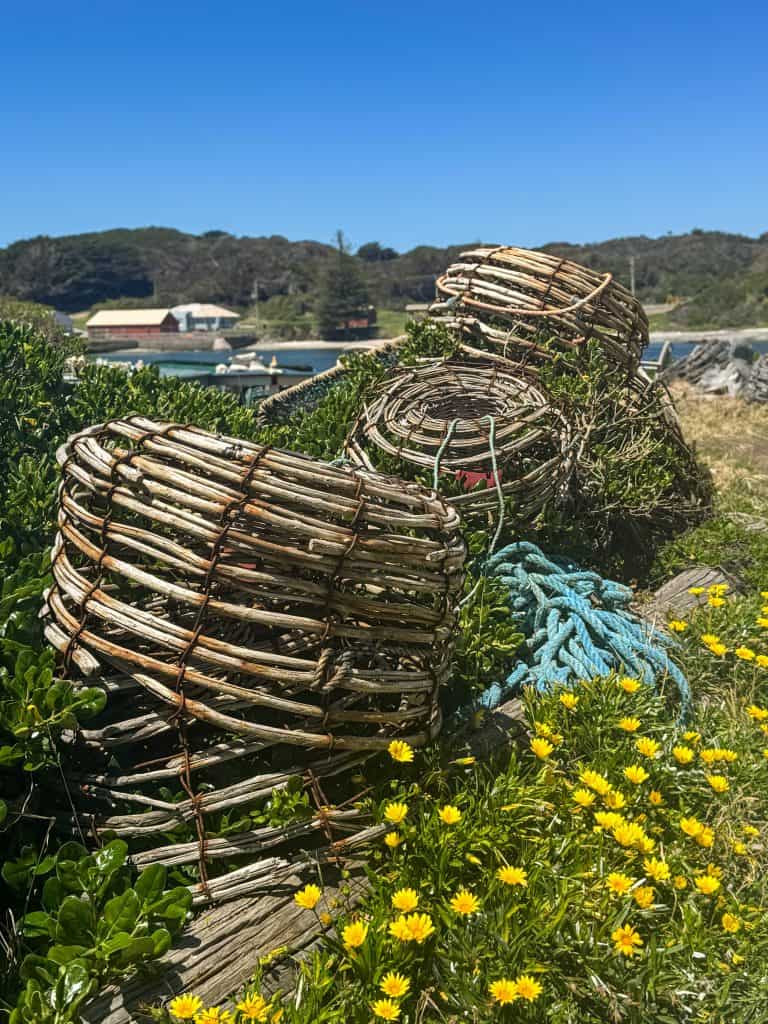
Day two begins in Currie, the island’s main township and working harbour. A walk along the foreshore takes in the fishing boats, lobster processing sheds, and the Southern Ocean beyond.
The Currie Lighthouse, built in 1879, stands at the edge of the harbour. On weekends, guided tours offer the chance to climb its 93 steps for sweeping coastal views. If you’re visiting outside tour times, the lighthouse is still worth seeing as part of the harbour walk.
Currie remains closely tied to the sea. Rock lobsters are processed here for live export, and King Island lobsters are widely regarded as among the best in Australia. The lobster season closes from mid-September to November, something to keep in mind if seafood is high on your list.
Ocean Dunes Golf Course
Just north of Currie lies Ocean Dunes Golf Course, consistently ranked among Australia’s top public courses. The turnoff is easy to miss, marked only by a modest sign leading to a long gravel drive.
When I visited the clubhouse was undergoing renovation, but the views across the fairways and coastline are spectacular. Even non-golfers can appreciate the setting, though anyone planning to play should be prepared for a challenging course.
The Boathouse
The Boathouse, often described as the “restaurant with no food,” sits at the end of a narrow gravel road near Currie Lighthouse.
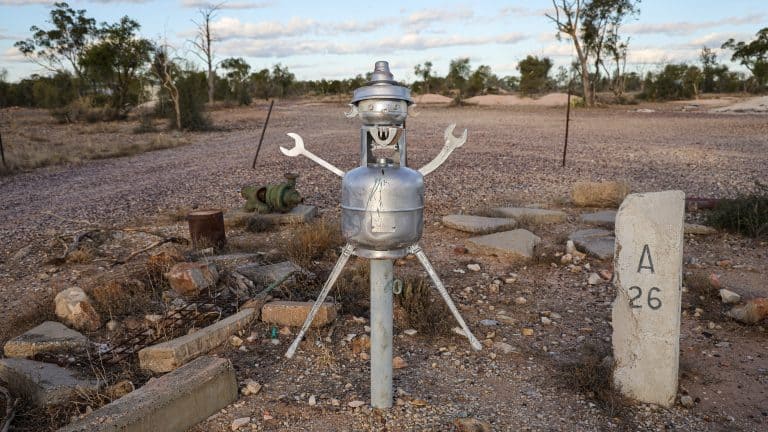
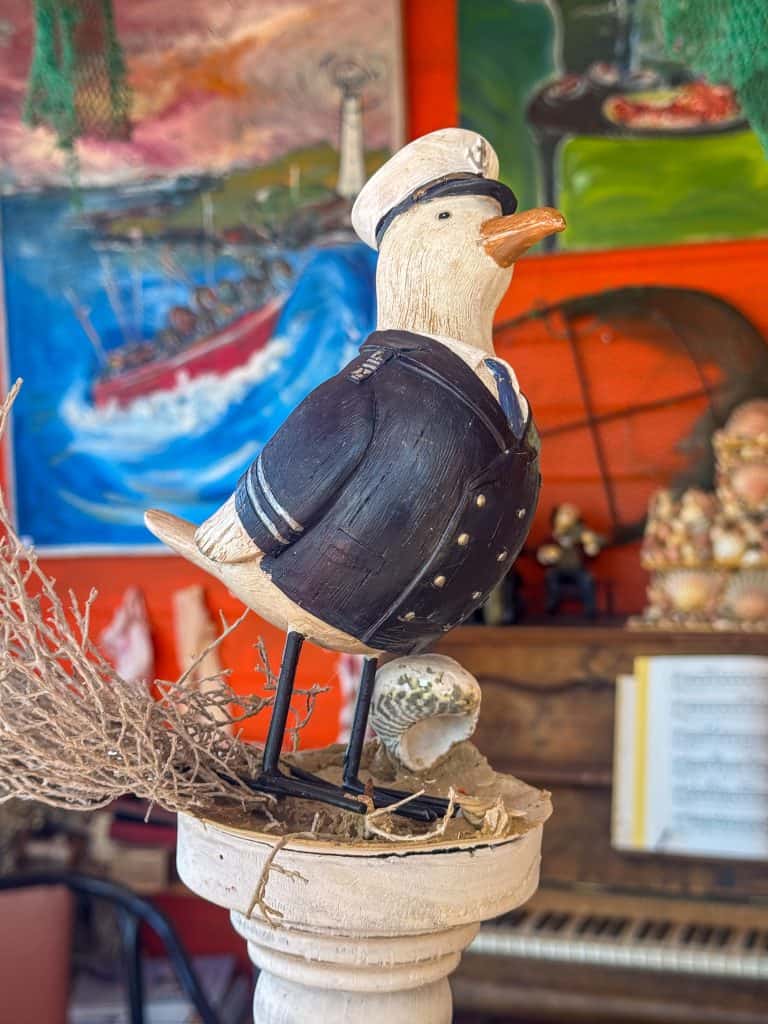
The former 1915 boatshed has been transformed by a local artist into a colourful, welcoming space. Its bright yellow exterior is impossible to miss, while the interior is filled with bold artwork, eclectic décor and unexpected touches — including a piano and vinyl records. It’s quirkiness will make you smile the moment you step inside.
Practical details haven’t been overlooked. Plates, cutlery and running water are provided, and artwork is available to purchase through an honesty system. Overlooking the wharf and fishing fleet, The Boathouse offers both indoor and outdoor seating. All you need to take is picnic supplies.
Address: 38 Lighthouse Street, Currie


King Island Historical Society Museum
Next to the Currie Lighthouse, the former lighthouse keeper’s house now holds the King Island Historical Society Museum. Open several afternoons a week, it’s one of the most important stops on the island for understanding its past.
While the museum contains familiar pioneer artefacts, its focus on shipwreck history sets it apart. The stories are confronting: ships breaking apart in darkness, too few lifeboats, survivors stranded for weeks on an isolated shore.
While the museum contains familiar pioneer artefacts, its focus on shipwreck history sets it apart. The stories are confronting: ships breaking apart in darkness, too few lifeboats, survivors stranded for weeks on an isolated shore.
The research room holds detailed records of individual shipwrecks and their passengers. Among them are accounts of the Netherby rescue, including John Parry’s own recollection of stealing a half-eaten wallaby from a “native cat” so there was something to eat.

Pioneer Graves
A short walk from Currie Harbour leads to the Pioneer Graves. It’s a simple place, but one that offers a moment of reflection on the lives shaped — and often cut short — by isolation, weather, and the sea.
Day 3: Exploring King Island’s Northern Coast
Martha Lavinia Lake
The drive north from Currie leads into a very different side of King Island. Martha Lavinia Lake, within the Lavinia State Reserve, sits about 46 kilometres from town and takes roughly 40 minutes, including some well-maintained gravel roads. Clearly signposted and easy to navigate, the drive is straightforward and lightly trafficked once you leave Currie.
The freshwater lake is part of an Important Bird and Biodiversity Area recognised by BirdLife International and is one of the habitats of the critically endangered Orange-bellied Parrot. Facilities include picnic tables, barbecues and toilets, making this a practical stop as well as a scenic one. On a calm day, the lake is also suitable for a refreshing swim.

Martha Lavinia Beach
A short drive from the lake brings you to Martha Lavinia Beach. It’s a wide, sandy beach with scattered seashells and open exposure to the ocean. Even on a fine day, it’s often quiet, making it well suited to walking, beachcombing, or sitting and watching the surf.
The beach is also popular with surfers, though there were none to be seen on the day of my visit.
Disappointment Bay
Continuing north, Disappointment Bay is reached via a gravel road off the main highway, about 20 minutes beyond Martha Lavinia. Despite its sombre name, the bay is strikingly beautiful, with white sand, clear water and scattered boulders along the shoreline.
The name comes from the tragic wreck of the Neva in 1835. Today, it’s a near-deserted beach and an excellent spot for a quiet swim or a long walk along the sand.

Neva Cairn
Just before Cape Wickham, a small cairn and plaque mark the site associated with the Neva shipwreck of 1835. The ship was carrying female convicts, free women and children from Ireland when it struck a reef and broke apart. With too few lifeboats, the captain and officers took to the boats, leaving most passengers behind.
Only 15 people survived, reaching shore and waiting six weeks for rescue.
Cape Wickham Lighthouse
A short drive from Disappointment Bay brings you to Cape Wickham Lighthouse, the tallest lighthouse in Australia at 48 metres. Built in 1861 from locally quarried stone following the Cataraqui disaster of 1845, it dominates the headland and is visible from miles out to sea.
Nearby gravestones mark the resting places of those lost to shipwrecks, including the captain of the Loch Leven, who drowned while attempting to salvage belongings from his stranded ship. Life for lighthouse keepers was harsh, with supply ships arriving only once every three months. They often became first responders to shipwrecks, playing a crucial role in rescue efforts along the coast.

Cape Wickham Golf Links
Just up the road sits Cape Wickham Golf Links, widely regarded as one of the most scenic golf courses in the world. Every hole offers uninterrupted ocean views. I’ve no doubt that ‘keeping your eye on the ball’ would genuinely be a challenge.
Even if you’re not playing, the clubhouse is worth a stop. It’s an easygoing spot for lunch with sweeping coastal outlooks, and our burger paired with a King Island Brew Pale Ale felt well-earned after a morning of exploring.
Note: If you’re visiting between June and September, it’s worth calling ahead to confirm opening hours, as low-season trading can be limited.

King Island Dairy Cheese Store
From Cape Wickham, the route south leads to one of King Island’s best-known producers: the King Island Dairy Cheese Store. Displays inside explain how the island’s clean air, rich pastures and mild climate shape the flavour of its cheeses, supported by around 7,500 dairy cows grazing across the island.
Free tastings typically include several cheeses named after local landmarks, with information provided on each variety. Prices are noticeably lower than on the mainland, making this a smart place to stock up. Cooler bags are available for purchase, and extra ice bricks can be picked up from the Currie IGA if needed.
The store also carries practical, reasonably priced souvenirs such as cheeseboards and knives, making it an easy stop for gifts.
Trading hours:
Monday, Wednesday, Friday: 10:30 am – 4:00 pm
Sunday: 11.00 am – 3:00 pm
Closed Tuesday, Thursday & Saturday
Address: 869 North Road, Loorana
King Island for Golfers
For such a remote island, King Island has an outsized reputation for golf. It’s home to three courses, including Cape Wickham Golf Links and Ocean Dunes, both regularly ranked among Australia’s top public-access courses. If golf is part of your travel life, King Island is worth factoring into your plans.
Day 4: Exploring King Island’s Southern Coast
The final day on King Island is well spent heading south. From Currie, the route heads towards Grassy before continuing along South Road to Pearsons Lane. The turnoff is clearly signposted, and while the lane itself is straightforward, visitors should note the farm gate at the entrance — open it carefully and be sure to close it behind you to keep livestock secure.
Cataraqui Cairn
Up to Pearsons Lane, the gravel roads are generally smooth and manageable, even in a small car. The final stretch to the Cataraqui cairn, however, may be far more challenging. At the time of our visit, heavy rain had carved deep ruts into the track, turning it rough and uneven and requiring slow, careful navigation.
The effort is rewarded — and sobering. The Cataraqui cairn marks Australia’s worst peacetime maritime disaster. In 1845, the Cataraqui ran aground here, claiming 400 lives, including 186 children. Only nine people survived.
The setting is strikingly beautiful. Jagged rocks and relentless waves crash against the coast, making it painfully clear how slim the chances of survival would have been, even for strong swimmers.
The Cataraqui had sailed from Liverpool. In the early hours of its final morning, at around 4:30 am, it struck a reef and slowly broke apart over the next 36 hours. The crew’s attempts to save passengers were desperate and ultimately overwhelmed by the power of the sea.
The survivors remained stranded for five weeks, burying victims along the beach while awaiting rescue. A separate memorial marks the burial site further along the road.
The return drive provided its own reminder that this is not a landscape to be underestimated. Our small sedan struggled with a steep, deeply rutted section of the track. For a minute I expected we’d need roadside assistance. Hence my recommendation to hire an SUV!
The return drive was a reminder that this isn’t a landscape to be underestimated. Our small sedan laboured up a steep, deeply rutted section of track and for a moment I genuinely thought we might need roadside assistance. That experience is exactly why I recommend hiring an SUV on King Island.

Tip: Get the King Island Maritime Trail Map
If shipwreck history is a highlight of your visit, pick up the official King Island Maritime Trail map from the King Island Visitor Information Centre in Currie.
Seal Rocks
From the Cataraqui coast, the drive continues to Seal Rocks — with the possibility of wildlife sightings along the way. Echidnas are occasionally spotted near the roadside, particularly in quieter sections of the island.
Seal Rocks Reserve is home to King Island’s tallest cliffs. A boardwalk leads to a viewing platform overlooking the ocean far below, where waves churn against the rock face. Even after visiting Cape Wickham, the scale and colour here feel exceptional. The blues of the Southern Ocean and the sheer drop of the cliffs create one of the island’s most dramatic coastal views. I could easily have stayed there all day, watching the waves below.
Two walking tracks begin from this area, both offering different perspectives of the coastline and well worth allowing time for if conditions permit.

Calcified Forest
On the return journey, the Calcified Forest is an optional but intriguing detour. Formed around 7,000 years ago, this unusual landscape features hundreds of limestone formations created when coastal plants became coated in calcium carbonate. As sand dunes later shifted, the shapes were gradually exposed.
The walk from the car park is an easy 1.3-kilometre return, taking around 30 minutes, with a viewing platform partway along the trail.
Planning Your King Island Trip
How to Get to King Island
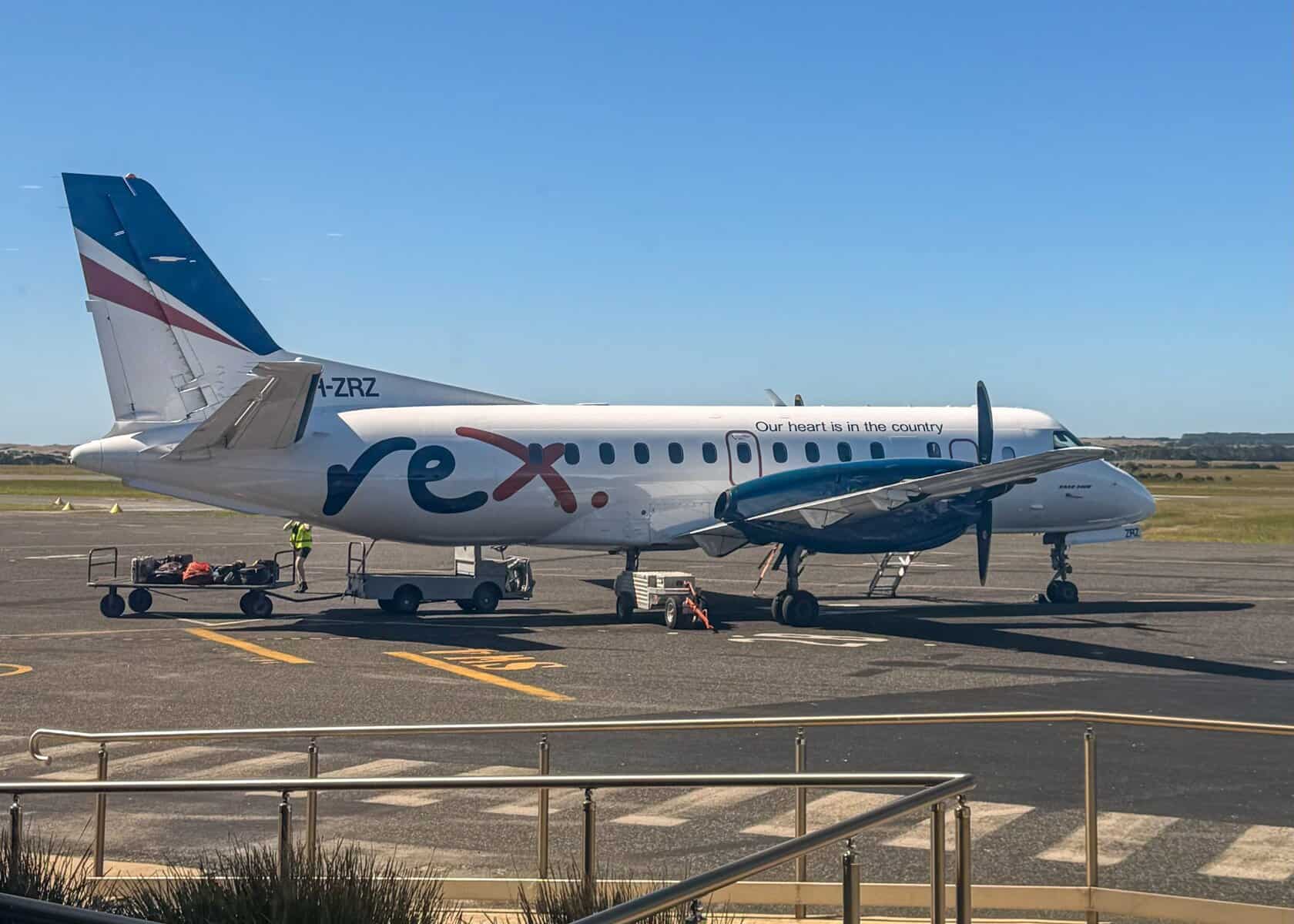
Most visitors arrive on King Island by small regional aircraft, with flights operating from Melbourne, Launceston, and Burnie. The island’s airport is conveniently located just outside Currie, making arrival quick and straightforward.
If you’re flying from Melbourne, it’s important to check which airport your airline uses. Services operate from different terminals across the city:
- Rex flies from Melbourne Tullamarine (MEL)
- Sharp Airlines operates from Essendon (MEB)
- King Island Airlines departs from Moorabbin (MBW)
For us, Tullamarine was the most convenient option, as our Brisbane flight arrived there.
Flights are short — generally under an hour — but aircraft are small, and Bass Strait weather can be changeable. On our flight, the plane made a second approach before landing safely, something that’s not unusual in windy conditions. Stepping off the plane and chatting briefly with the pilot was a fitting introduction to King Island’s relaxed, down-to-earth feel.
- Check your departure airport: Melbourne flights operate from Tullamarine, Essendon, or Moorabbin, depending on the airline.
- Pack light: Small aircraft usually allow around 15kg of checked luggage. Leave room for cheese and other local produce.
- Biosecurity matters: Tasmania has strict rules — don’t bring fruit, vegetables, or plant material to the island.

Getting Around King Island
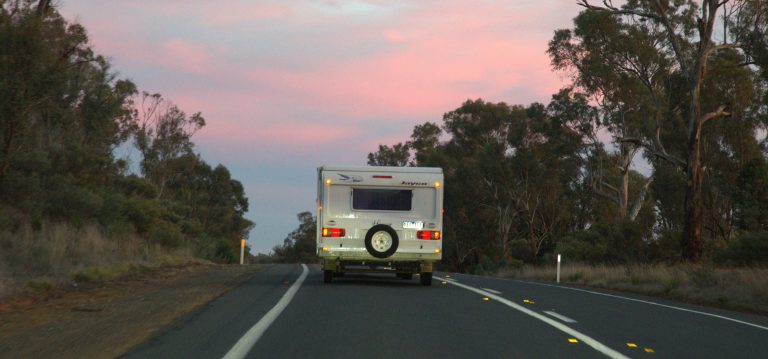
You’ll need a car on King Island. With no public transport and no taxis, driving is the only realistic way to explore the island and adapt your itinerary to its changeable weather.
Car hire is available directly at the airport, with pick-up and drop-off times aligned to your flight. The main provider is King Island Car Rental.
Vehicles are practical rather than pristine. Gravel roads, livestock, and coastal conditions mean a few bumps and scratches are normal — and part of the island’s no-nonsense approach. A range of vehicles are available, including a deliberately budget-friendly “banger” option for travellers who want the freedom to explore without worrying about every scrape or stone.
A small sedan is fine for most sealed roads, but if you plan to visit more remote sites — particularly after rain — a mid-size SUV offers extra under-body clearance. The extra height would have saved me some stress on the rough track leading to the Cataraqui cairn, where rain can carve deep ruts into the road.
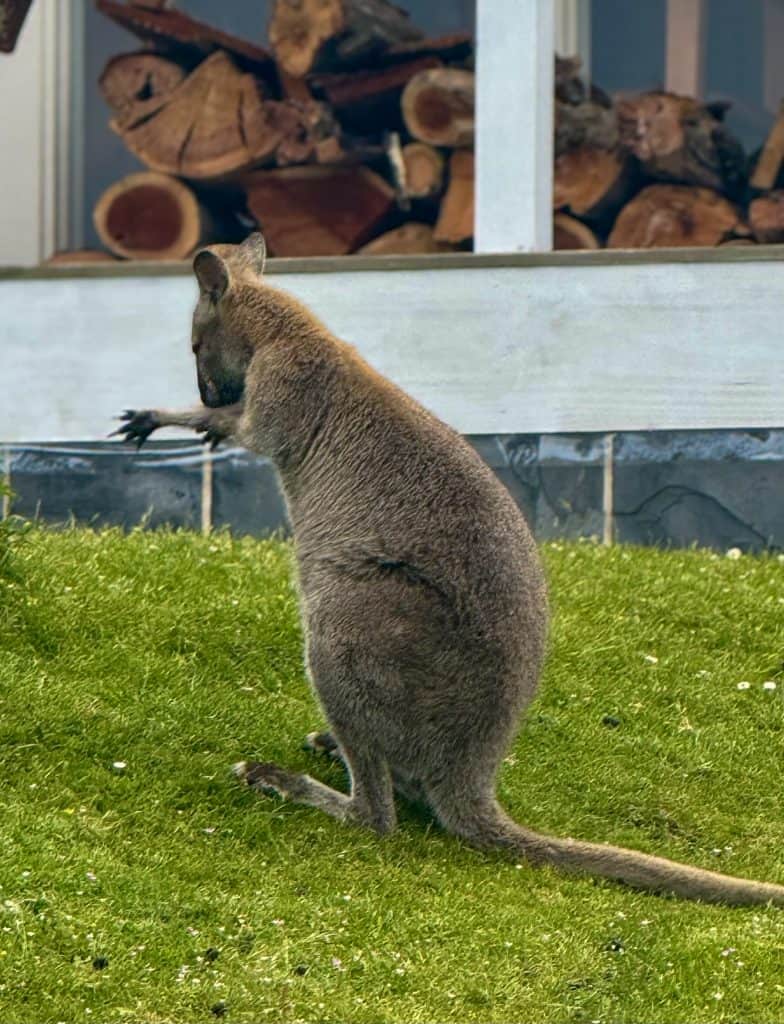
It’s also worth paying extra to reduce the insurance excess. Wallabies are common, especially at dawn and dusk, and the added peace of mind makes driving more relaxed.
Before long, you’ll be confidently navigating the island — and returning the local two-fingered wave to passing drivers.
What Are the Road Conditions Like on King Island?
Most main roads on King Island are sealed and well maintained, making them easy to drive even if you’re not used to rural roads. There’s very little traffic, and you won’t find a single traffic light on the island.
Many of the island’s best beaches and historic sites are reached via gravel roads. These are generally manageable in standard vehicles, but conditions can change after heavy rain. The track to the Cataraqui cairn, in particular, can become rough and deeply rutted, which is where extra ground clearance is helpful.
Telstra is the only mobile network with coverage on King Island. If your provider isn’t Telstra, you won’t have signal. Prepaid Telstra SIM cards are available at the Currie Newsagency inside the Currie Post Office — a good idea if you want to stay connected while exploring.
Best Time to Visit King Island
King Island can be visited year-round, but the time of year you choose will shape how easily you can enjoy the outdoors.
Summer (December to February) offers the most reliable conditions for exploring the coastline, walking beaches, and playing golf. Daytime temperatures typically range between 11°C and 22°C, with long daylight hours and fewer weather-related disruptions. Even during summer, the island rarely feels busy.
The shoulder months — March, April, and November — can also work well, particularly if your plans are flexible. Temperatures remain mild, but rainfall and wind become more unpredictable.
From May to October, conditions are cooler, wetter, and often windier. While the landscape takes on a more elemental feel, outdoor activities such as golf, long coastal walks, and swimming are more weather-dependent during this period.
In short: If your trip revolves around outdoor experiences summer offers the greatest flexibility, while other seasons suit travellers comfortable adapting plans to the weather.
Food on King Island
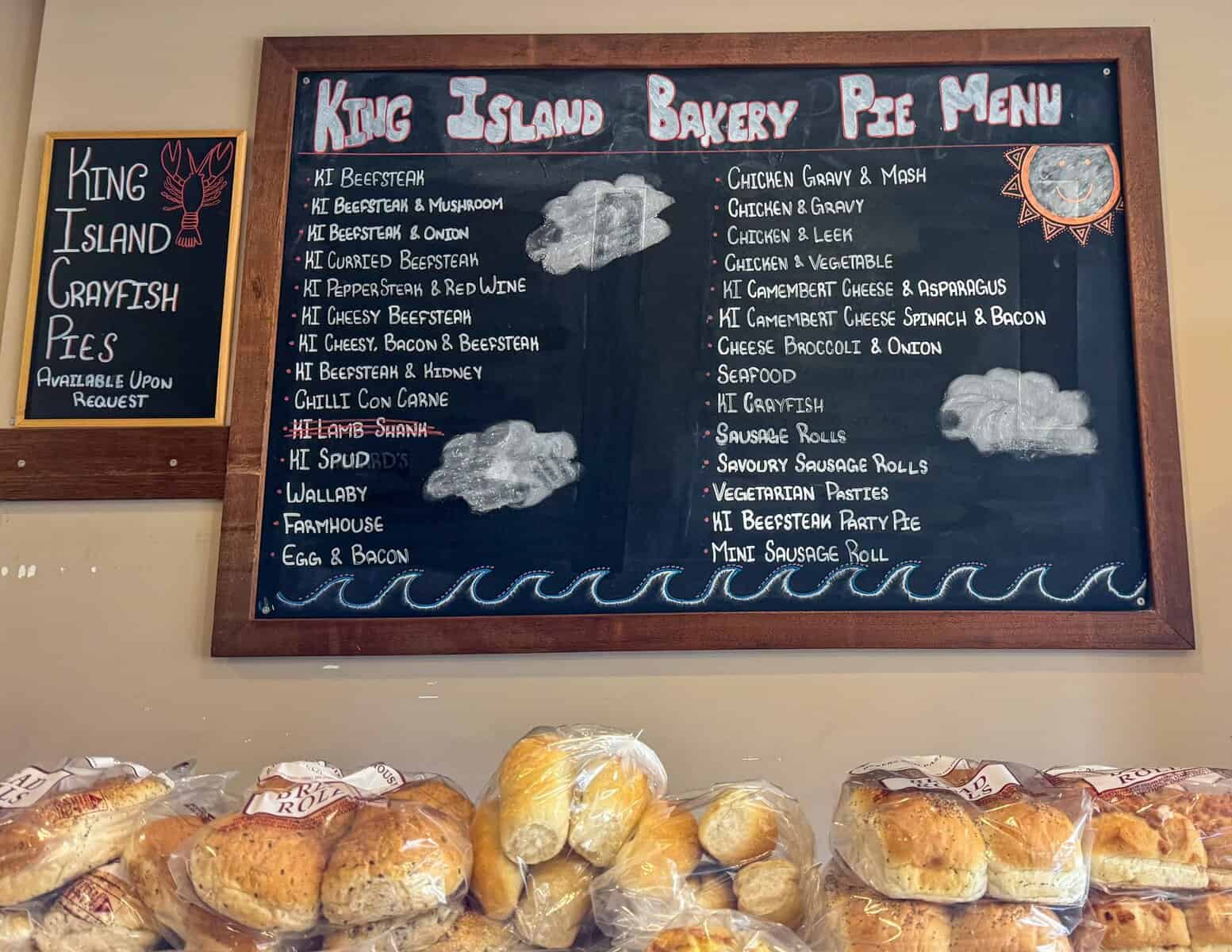
King Island is a paradise for anyone who enjoys exceptional local produce. From the renowned King Island Dairy cheeses to the island’s famous beef, and freshly caught seafood like rock lobsters, there’s plenty to tempt your taste buds. Many cafés and restaurants focus on locally sourced ingredients, and for food enthusiasts, there are even cooking experiences where you can try your hand at preparing crayfish or other local specialties.
Café and Casual Meals
Currie, the island’s main town, has several small cafés worth seeking out — and these were some of my favourites during my visit. King Island Bakehouse is a standout, offering indoor seating and a relaxed café feel. Their inventive pies — from camembert and asparagus to crayfish and wallaby — are a real treat, and it’s a reliable stop for breakfast or lunch. Legs, a cozy bar and café on Main Street, also impressed me with perfect croissants, good coffee and the warm, local welcome from its owners.
For food lovers, King Island offers more than great produce — there are hands-on and immersive culinary experiences:
- Wild Harvest Restaurant & Cooking School: Sea-to-table menus and chef-led cooking classes featuring crayfish, lamb, and local beef. More info
- King Island Tours: Small-group tours that may include gourmet meals and tastings while exploring the island’s scenery and wildlife. More info
- King Island Distillery: Guided spirit tastings and occasional food-focused experiences showcasing local produce. More info
Pubs and Bistros
For a scenic meal, the Cape Wickham Golf Links clubhouse is hard to beat. It serves relaxed, casual dishes with sweeping ocean views.
The King Island Hotel is open for breakfast, lunch and dinner, and it makes the most of the island’s superb local produce, with dishes like King Island steaks and locally caught lobster. Crayfish is seasonal, and you’ll need to order it at least 24 hours in advance if you want it on the night — a small bit of planning that’s well worth it. I went for the lamb shank, which was beautifully cooked.
Another memorable stop was the King Island Club, where friendly service and hearty, unfussy dishes made for a genuinely satisfying meal.
Planning Tip: Many eateries close on Mondays and Tuesdays, and some may have limited hours on other weekdays. Check local Facebook pages or websites before you go.
Self-Catering Options
For those who prefer to cook their own meals, Currie has two grocery stores, IGA and Foodworks, conveniently side by side on Main Street. For fresh King Island beef, the King Island Providore butcher is just across the street, making it easy to pick up high-quality local cuts for your own kitchen or lodge stay.
Local Produce to Take Home
No visit is complete without a stop at the King Island Dairy Cheese Store. With around 7,500 dairy cows grazing across the island, the cheeses are exceptional. Cooler bags with ice packs are available, making it easy to take cheese back to other parts of Australia safely.
Walking, Wildlife & Nature on King Island
While King Island isn’t a hiking destination in the traditional sense, there are plenty of opportunities to stretch your legs and connect with the landscape. Short coastal walks, clifftop viewpoints, and quiet beaches often feel like you have them entirely to yourself.
For those keen to explore further, the Walks of King Island guidebook outlines routes ranging from easy strolls to more demanding tracks. It’s available from the Post Office in Currie or the Visitor Information Centre.
On a return visit, I’d like to tackle the Caves Creek Track near Seal Rocks — a 4 km return walk that would be spectacular in settled weather — and the Clifftop–Copperhead Walk, which is best suited to confident walkers due to uneven ground and exposed sections.
Wildlife encounters are part of everyday life on the island. Wallabies graze along the roadside, echidnas occasionally appear near the verge, and birdlife is abundant.
I was also surprised to encounter feral turkeys, pheasants, and even peacocks — introduced species that now roam freely. The first turkey sighting made me stop the car, to do a double take.

King Island Travel FAQs
Yes, but options are limited. King Island is largely a self-drive destination. One of the main operators is King Island Tours, which runs small-group experiences in a 4WD vehicle, including gourmet food tours, photography trips, and visits to remote parts of the island.
Yes. Hiring a car is strongly recommended. Attractions, food producers, beaches, and walking areas are spread across the island, and there are no public transport or rideshare options.
King Island is easy to navigate by car. Roads are quiet and distances are short, but services and fuel stops are limited outside Currie, so planning ahead is important.
What to Pack for King Island
Is King Island Worth Visiting?
Four days on King Island felt longer than a typical short break — not because there’s a lot to rush through, but because the island naturally slows your pace. The coastline is rugged and exposed, the beaches are often empty, and the shipwreck history gives the landscape a sobering sense of perspective. And yes, the cheese really is as good as everyone says.
What stayed with me most was the rhythm of the place. There’s no traffic, no pressure to tick off sights, and no need to plan every hour. Whether it’s a coastal drive, a short walk, or pulling over because something catches your eye, the days unfold naturally.
The combination of unhurried days and genuinely welcoming locals makes it easy to settle in. From windswept tracks to quirky spots like The Boathouse, or watching the fishing boats make their way into Currie Harbour, the island’s authenticity comes through in small, everyday moments.