
10 Days in Poland: A Relaxed Itinerary for Kraków, Warsaw & Gdańsk
Freedom Years Travel contains affiliate links. If you make a purchase using one of the links below, we may receive compensation at no extra cost to you. We only recommend products and services we use and trust. Read our disclaimer for more information.
Wondering how to plan a 10-day trip to Kraków, Warsaw and Gdańsk? This itinerary shows you exactly how to structure your time across Poland’s three most rewarding cities.
If you want to experience the highlights without rushing, this guide is for you—especially if it’s your first time visiting or you prefer to travel independently.
With its rich history, atmospheric old towns and excellent value for money, Poland makes a wonderful destination for a 10-day European adventure.
This itinerary focuses on three of the country’s most rewarding cities: Gdańsk, Warsaw and Kraków. Each one offers something different and they’re all connected by a fast, reliable rail network. I’ve also included a few optional side trips to places like Malbork Castle, Zakopane and Wrocław, in case you have a little more time to spare. (And if you do—go for it!)
You can start in either Gdańsk or Kraków, depending on where you find the best flight connections. Along the way, I’ve marked my personal ‘Must Do’ sights, but also included other worthy stops depending on your pace and interests. After two recent trips to Poland, I still find it hard to choose favourites—so think of this as a flexible framework to help shape your own adventure.
Whether you’re planning your first visit or returning for more, this 10-day route will show you the best of Poland at a relaxed and rewarding pace.
And if you’ve ever wondered where to find Europe’s largest castle or an underground cathedral made of salt—you’re in the right place.
Days 1–2: Discover Gdańsk – Maritime Heritage and 20th Century History
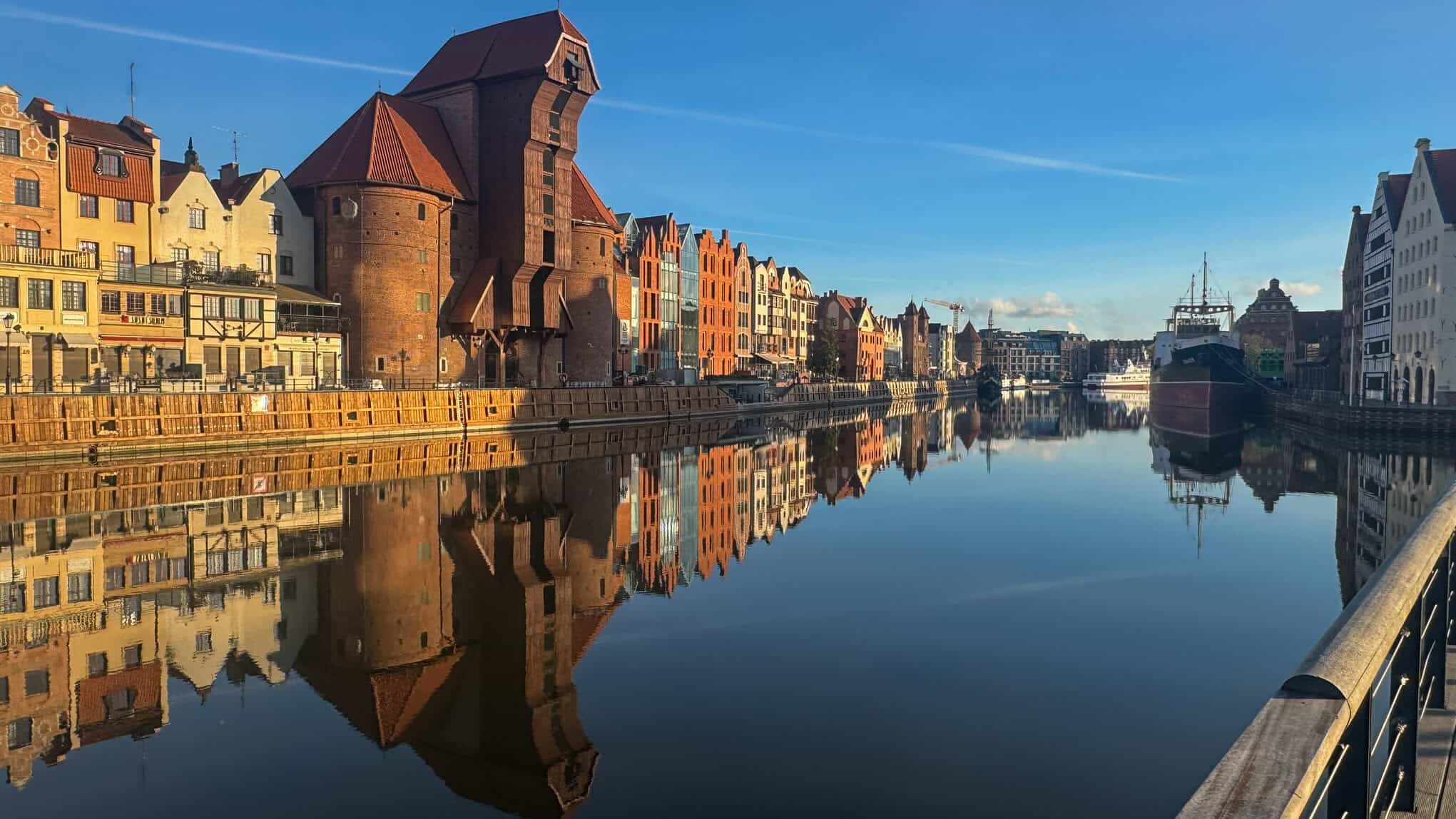
Begin your trip in Gdańsk, a vibrant Baltic port shaped by trade, war and resistance. The Old Town is a beautifully restored blend of Gothic and Hanseatic architecture—those tall, narrow townhouses with decorative façades usually associated with Amsterdam or Copenhagen. It’s compact, full of character, and easy to explore on foot—an ideal place to start.
Explore the Old Town and Długi Targ
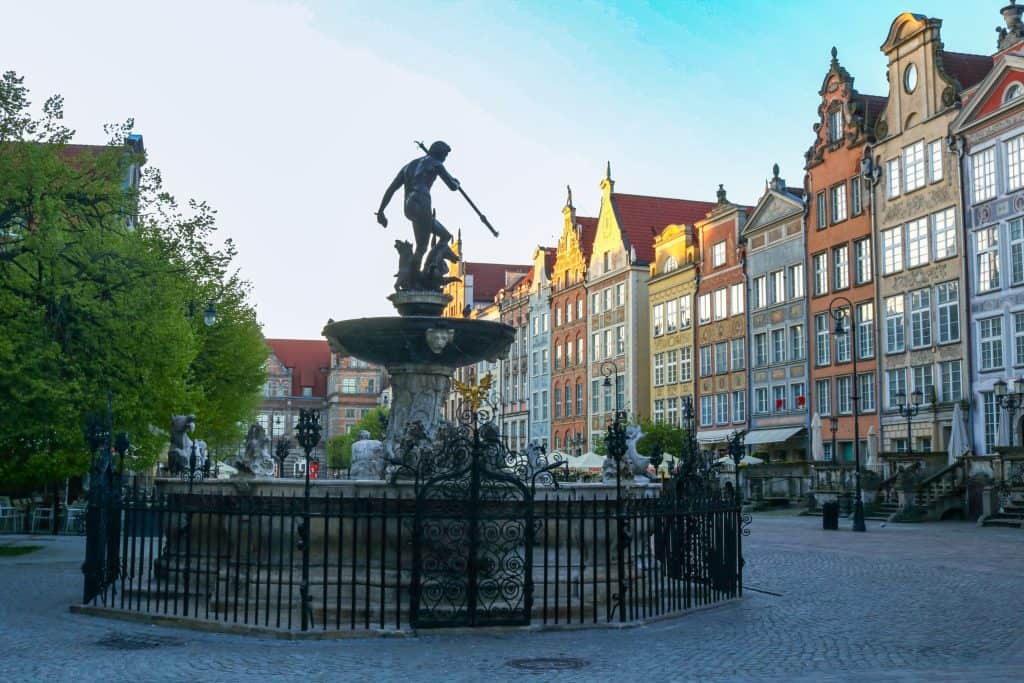
Gdańsk’s historic centre is a pleasure to wander. Cobbled streets wind past ornate façades, decorative gates and shopfronts filled with Baltic amber. Długi Targ, the main thoroughfare, is lined with tall merchant houses—reminders of the city’s trading legacy. To get your bearings, consider joining a walking tour. Or, if you’d rather skip the cobbles, a golf cart tour offers a fun and easy alternative.
Must Do: Visit the Museum of the Second World War
This is my favourite museum—anywhere. It’s superbly curated and completely absorbing, tracing the causes, events and impact of WWII from both a Polish and global perspective. I spent three hours here and could’ve stayed longer. Don’t miss it.
WWII History and Resistance
Gdańsk holds a unique place in world history—it’s where the first shots of World War II were fired. On 1 September 1939, German forces launched simultaneous attacks on Westerplatte and the Gdańsk Post Office.
At Westerplatte, a small Polish garrison held off the Nazis for seven days. You can reach Westerplatte by boat, passing through the shipyards, providing a different view of Gdańsk before arriving at this important WWII site.
The Gdańsk Post Office tells a similarly gripping story: 56 postal workers resisted SS troops for 15 hours before being captured. Both sites tell powerful stories of resistance in the opening hours of the war.
The Birthplace of Solidarity
Gdańsk also played a central role in Poland’s modern history. The European Solidarity Centre tells the story of the Solidarity movement, which began in the shipyards and helped bring down communist rule. The museum is striking both inside and out, and the exhibits combine personal stories, film, and interactive displays. It’s a compelling look at how a workers’ movement helped change the course of a nation.
For more tips on where to eat, stay and explore: see my Gdańsk Itinerary, 9 Best Things to Do in Gdańsk and Gdańsk Food Tour.
When you’re ready to move on, catch a fast train to Warsaw—it’s an easy and comfortable journey that takes just under three hours.
Day 3 : Day Trip to Malbork Castle
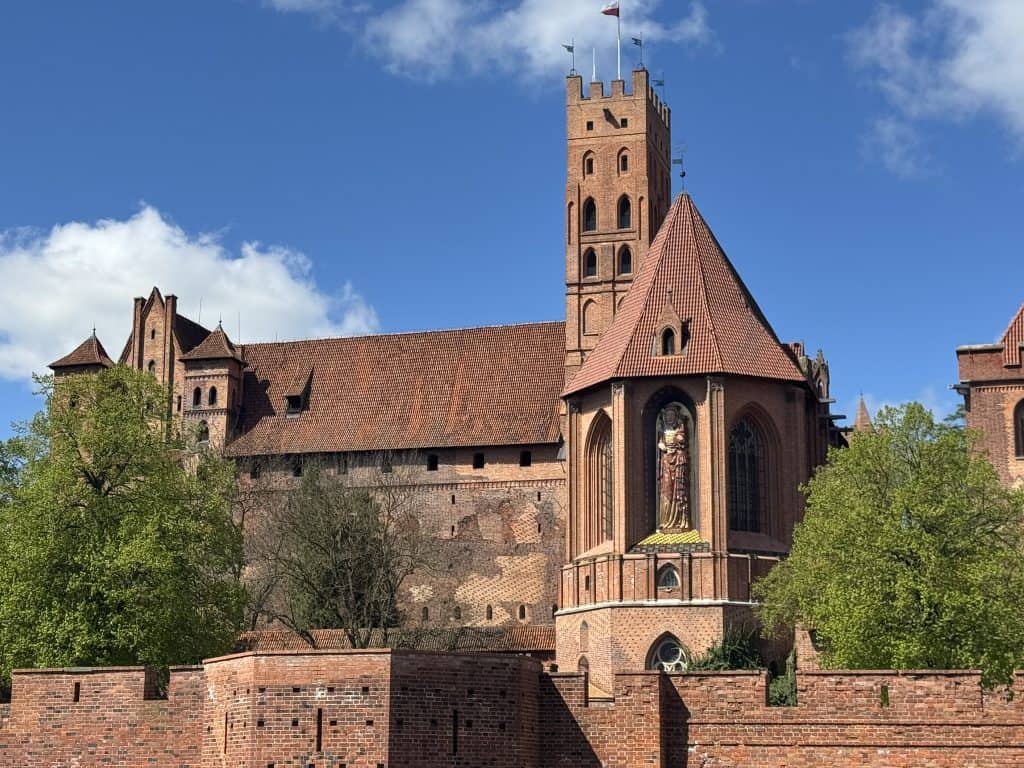
Malbork Castle is Europe’s largest brick fortress and a UNESCO World Heritage Site. Built in the 13th century by the Teutonic Knights, it’s an easy day trip from Gdańsk. Trains take just under an hour. The scale of the complex is impressive, and the self-guided audio tour does a great job of bringing the medieval world to life.
To skip the queues at the ticket office, consider booking your ticket to Malbork Castle in advance.
After your visit, you can return to Gdańsk for a final evening stroll. Or catch an afternoon train to Warsaw if you’d like a head start. The direct journey to takes about 2.5 hours.
🧳Onward Travel Tip
If you’re travelling to Warsaw after your Malbork tour, leave your luggage at the station (coin lockers), or try the castle ticket office or tourist info centre.
Days 4–5: Warsaw – A Capital of Contrasts
Arriving in Warsaw, you’ll notice the difference right away. Warsaw has the buzz of a major city, with glass towers and wide avenues contrasting sharply with the older charm of Gdańsk or Kraków. Post-war blocks still stand, but they’re mixed with sleek modern architecture and busy streets. Despite the city vibe, Warsaw has over 80 parks—plenty of quiet spots when you need a break. It’s a city with a fascinating modern history and some of the best museums in Poland.
Explore the Rebuilt Old Town
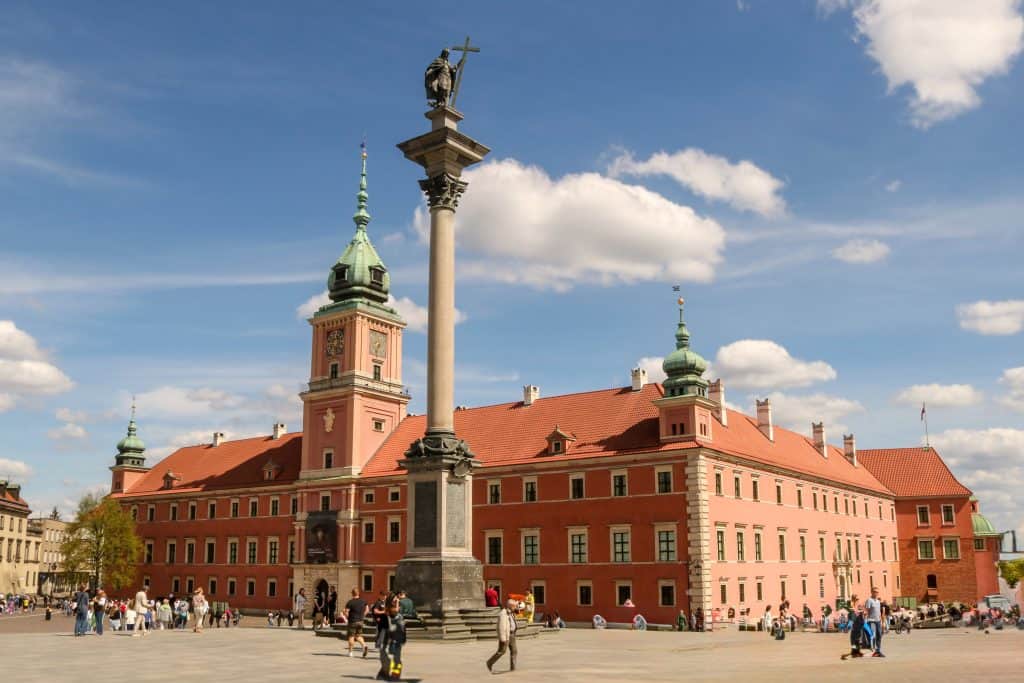
Leveled during WWII, Warsaw’s Old Town was painstakingly rebuilt using pre-war sketches and paintings. Today, it’s full of colour and life, with cobbled streets, striking façades and a lively central square where you might find musicians, horse-drawn carriages—or even the occasional giant teddy bear. A walking tour is a great way to uncover the deeper stories hidden behind the postcard views.
Must Do: Visit the Warsaw Uprising Museum
This powerful museum tells the story of the 1944 uprising with intensity and emotion. It’s uniquely Warsaw—and unforgettable.
The Warsaw Uprising Museum offers a powerful account of the 63-day civilian-led rebellion against Nazi occupation in 1944. Exhibits detail the harsh realities of life during the uprising, including the desperate shortages of food and water, use of the sewers for covert movement, and the roles played by children in the resistance. You’ll also find personal testimonies, artefacts, and interactive displays that bring the battles—and the human cost—into sharp focus.
Must Do: Explore the POLIN Museum of the History of Polish Jews
This immersive museum traces 1,000 years of Jewish life in Poland. It explores the complex history of the Jewish experience in Poland, from early settlement to the Holocaust and postwar recovery. Exhibits are engaging and varied, using everything from film and audio to recreated settings that place you inside the story.
Wander Through Łazienki Park
Warsaw’s largest park is a peaceful green escape, covering 76 hectares in the heart of the city. Landscaped gardens, shaded paths and classical sculptures are scattered throughout. Among the trees, you’ll also find lakes, red squirrels, free-roaming peacocks, and the elegant neoclassical Palace on the Water. In the northern section of the park stands the Chopin Monument—where free piano concerts are held on summer weekends. No bikes or scooters allowed—just a place to slow down.
You’ll find more suggestions – plus practical details on museums and other cultural highlights – in my 9 Best Things to Do in Warsaw.
Days 6–8: Kraków – Exploring its Regal Past and Jewish Legacy
Kraków is often the highlight of a first trip to Poland—and it’s easy to see why. The city combines well-preserved medieval streets, important Jewish heritage, and some of Poland’s most moving museums. It’s compact and walkable, with a relaxed rhythm that makes it easy to settle in.
Must Do: Stroll the Old Town and Main Square
Unlike many Polish cities, Kraków’s Old Town survived WWII largely intact. At its heart lies Rynek Główny, Europe’s largest medieval square. The area is alive with cafés, food stalls, flower vendors, and street performers. On the hour, a trumpeter plays from the tower of St. Mary’s Church—a sound that carries across the square. It’s the kind of place where you can easily spend an hour or two—wandering aimlessly, people-watching and soaking up the atmosphere.
Explore the Kazimierz Jewish District
Once a thriving centre of Jewish life, Kazimierz is now one of Kraków’s best-known neighbourhoods. Its synagogues, memorials, and former marketplaces reflect a turbulent past, while today the area buzzes with galleries, cafés, and some of the best Zapiekanka in Poland. A guided walking tour is a great way to understand its history and transformation.
Visit Wawel Castle
Perched above the Vistula River, Wawel Castle was the seat of Polish royalty for centuries. Even after the capital moved to Warsaw, it remained the site of coronations and royal burials. The complex includes the cathedral, state apartments and armoury—and the views over the river are worth the climb alone.
Tour Schindler’s Factory
Set inside the former enamel factory once run by Oskar Schindler, this museum explores Kraków’s experience under Nazi occupation. Through personal accounts, recreated rooms, and multimedia exhibits, it tells the story of the city’s wartime struggles and resilience.
Schindler’s Factory is one of Kraków’s most visited museums, so it’s wise to plan your visit ahead of time. If you’ve already explored the Museum of the Second World War in Gdańsk or Auschwitz-Birkenau, be aware there may be some overlap, though this museum offers a unique Kraków perspective.
You’ll find more recommendations – including cultural sites, walking routes and food tours—in my 9 Best Things to Do in Kraków.
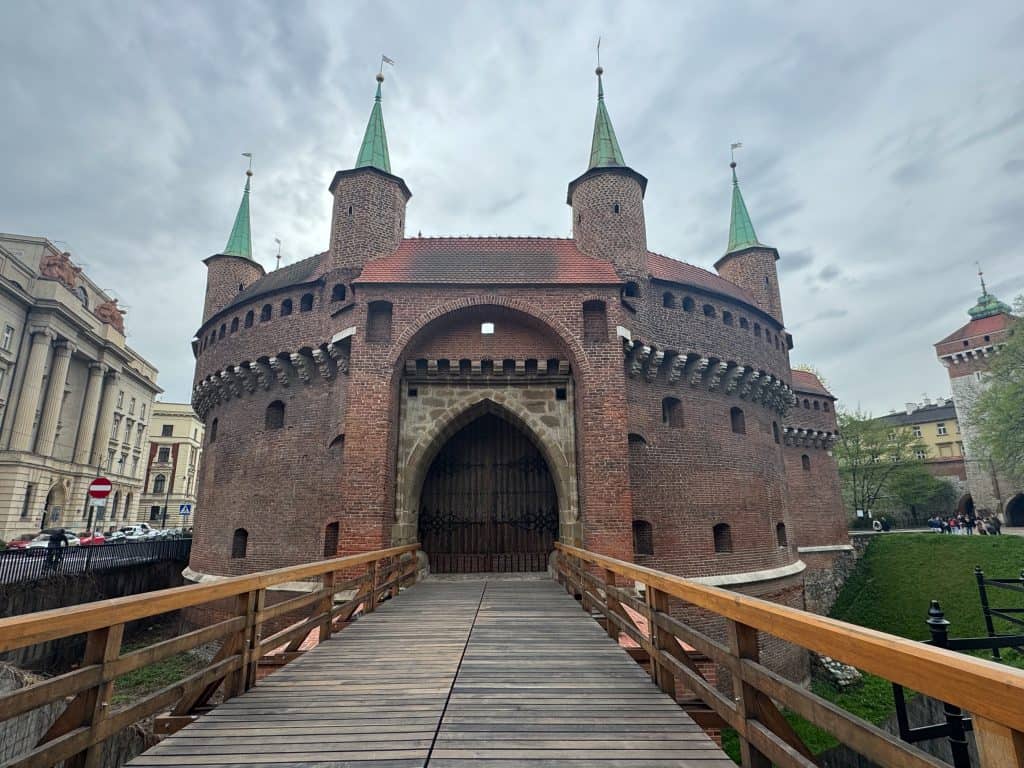
Day 9: Day Trip to Auschwitz or the Wieliczka Salt Mine
On your final full day, choose between two of Poland’s most significant UNESCO World Heritage Sites—each offering a very different experience.
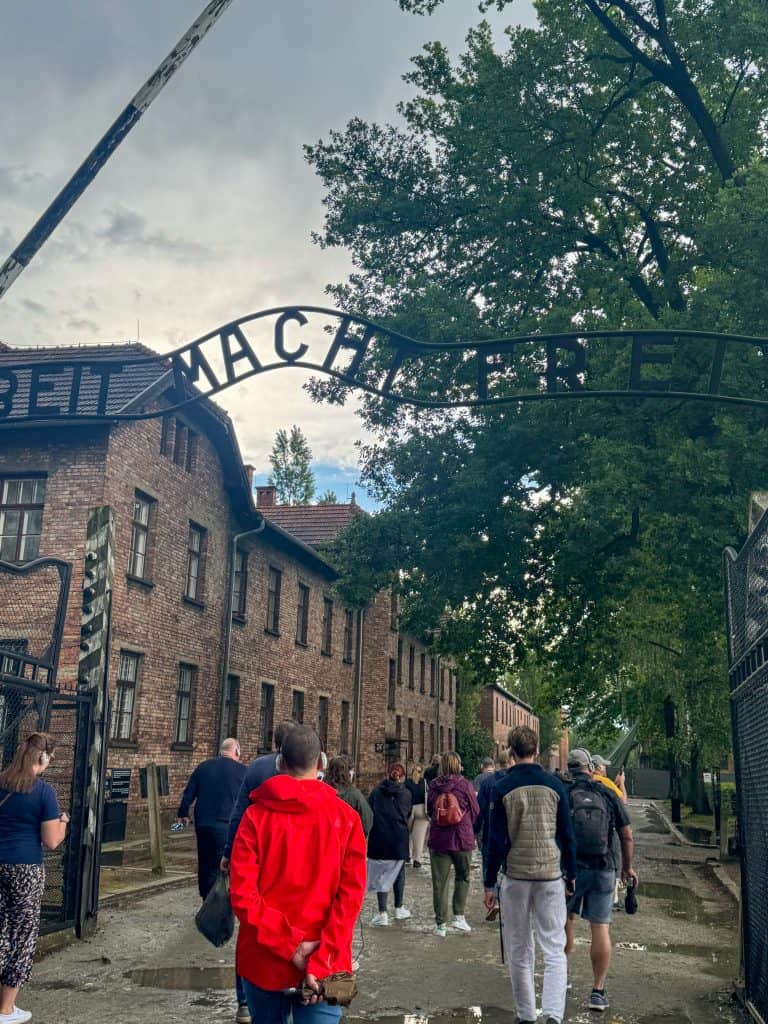
Must Do: Auschwitz-Birkenau
Auschwitz-Birkenau, located about 70 km west of Kraków, is the largest and most infamous Nazi concentration and extermination camp. Today, it serves as a museum and memorial, offering a sobering and powerful reminder of the horrors of the Holocaust.
Most visitors explore both Auschwitz I and the nearby Birkenau camp. Transport from Kraków is usually included in guided tours, which are recommended for first-timers. If you’re planning a visit, booking ahead is advisable, especially during peak seasons.
For practical tips, what to expect, and how to prepare, see my full post on Visiting Auschwitz.
Or: Wieliczka Salt Mine
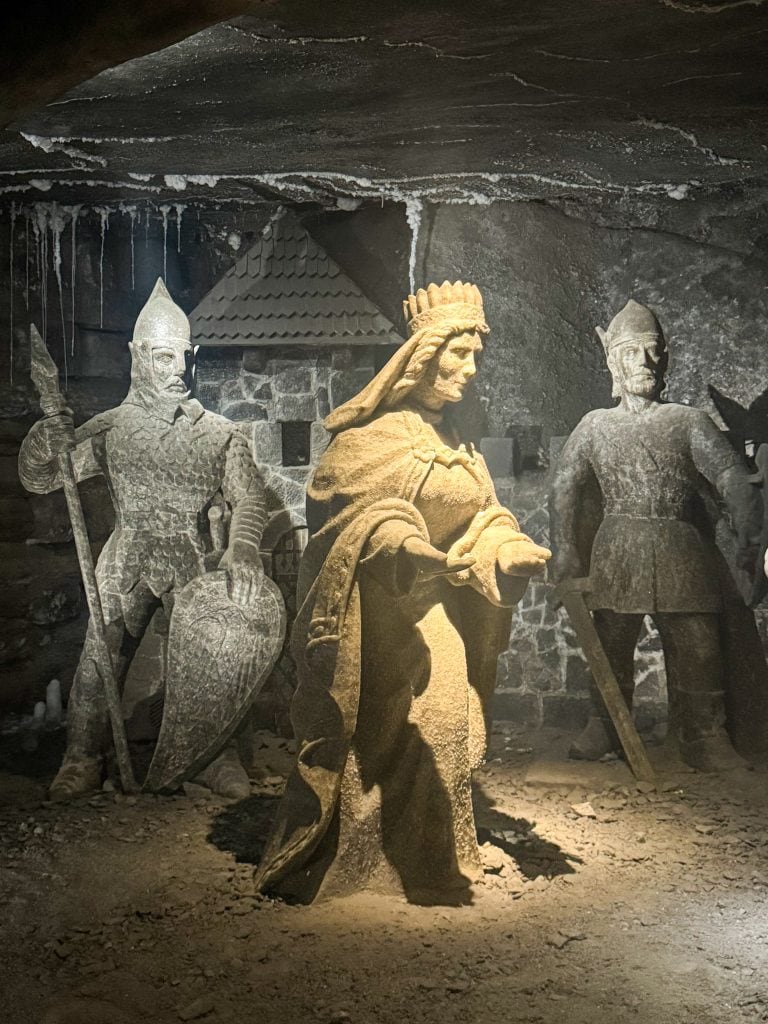
If you’d prefer something less emotionally intense, the Wieliczka Salt Mine offers a surreal journey through salt-carved tunnels, chapels and sculptures—120 metres underground. Dating back to the 13th century, it was once a major source of wealth for the region. At one time, salt was so valuable it was known as “white gold.”
Which To Choose?
Both are popular day trips from Kraków, but the emotional tone is very different. Personally, I found Auschwitz far more powerful and meaningful. While the Salt Mine is visually impressive, I felt the tour lacked the human stories that help bring a place to life—the guide was fast-paced, and the experience felt more functional than moving.
If you’re drawn to unique feats of engineering or prefer something lighter, the Salt Mine may be a better fit. But if you’re open to confronting one of history’s darkest chapters, Auschwitz is the experience that will stay with you.
Day 10: Optional Day Trip to Zakopane or Relax in Kraków
For your final day, you can either venture further—or explore more of what Kraków has to offer.
Zakopane gives you a taste of Poland’s mountain culture. Nestled at the base of the Tatra Mountains, it’s known for sweeping alpine views, carved wooden chalets, and hearty regional cuisine. It’s a long day trip from Kraków, but possible by bus or private tour.
Prefer to stay local? Spend the day ticking off another of Kraków’s excellent museums, strolling the lanes of Kazimierz, or relaxing by the Vistula River with an ice cream. After a full itinerary, it’s a chance to enjoy the city at your own pace.
Optional Add-On: Wrocław (1–2 Days)
If you can extend your trip, Wrocław makes a colourful and rewarding addition. The vibrant Market Square is Poland’s second largest and one of its finest. Beyond the square, you can wander over the bridges to Cathedral Island, where you’ll find beautiful churches, riverside gardens, and quiet corners.
And don’t miss Wrocław’s most whimsical attraction: the city’s ever-growing population of dwarf statues. Set out on a quest to photograph as many as you can—there are over 700 hiding in plain sight.

Wrapping Up Your Poland Adventure
With its rich history, walkable cities, and warm hospitality, Poland offers an affordable and rewarding destination for independent travellers. This 10-day itinerary highlights the best of Gdańsk, Warsaw, and Kraków at a comfortable pace. Whether you follow it closely or weave in a few side trips, you’ll return home with vivid memories—and a strong urge to explore even more.
Once you’ve scratched the surface, Poland reveals countless reasons to come back. While most of us can’t travel indefinitely, this route captures the essence of three of Poland’s most compelling cities—plus a few optional side trips if you have the time.
Ready to Dive Deeper into Poland?
Explore more detailed guides to make the most of your trip:
👉 9 Best Things to Do in Gdańsk
👉 9 Best Things to do in Kraków, Poland
👉 9 Best Things to Do in Warsaw
FAQs About Visiting Poland
Yes — Poland ranks among Europe’s safer nations. It sits in the top third of countries on the 2024 Global Peace Index (32nd out of 163). By comparison the USA is ranked at 132. Violent crime is rare in Poland, and tourists generally feel comfortable exploring even after dark.
Yes, Poland is considered a safe destination for tourists. Although Poland shares a border with Ukraine, the areas most travelers visit—such as Kraków, Warsaw, and Gdańsk—are hundreds of kilometres from the border and have remained calm and unaffected.
Poland is a member of NATO and the European Union, and there’s a strong security presence across the country.
Of course, like any destination, it’s wise to stay informed. Check your government’s travel advisories before your trip—for example, Smartraveller (Australia) or Travel.State.Gov (USA).
I’ve personally travelled through Poland recently and never felt unsafe. Life felt very much “business as usual.”
No — U.S. and Australian passport holders can stay in Poland (and the Schengen area) for up to 90 days in any 180-day period visa-free.
Poland uses the Polish złoty (PLN). Credit and debit cards are widely accepted — Poland is a true global leader in digital payments, with over 99% of POS terminals supporting contactless transactions. Still, it’s wise to carry a small amount of cash for market stalls and rural stops.
A: Definitely. Poland is around 30–50% more affordable than many Western European countries — accommodation, dining, attractions, and transport offer excellent value without sacrificing quality.
Spring (April–May) and early autumn (September–October) are ideal. The weather is mild, crowds are smaller, and you’ll have long daylight hours for sightseeing. I visited in April and May and enjoyed near-perfect weather on 18 of 21 days, with daytime temperatures around 12–20°C.
There’s still a chill in the evenings — so you’ll still need to pack your winter jackets — but it was a great time to explore. Daylight stretches to 16.5 hours in spring, which felt like a real bonus coming from Australia.
Summer (June–August) is warm and lively, with temperatures around 22–30°C and up to 17 hours of daylight. It’s great for outdoor dining and festivals, but some cities get busier. Winter (December–February) is cold, with temperatures between -5 and 5°C and just 7–8 hours of daylight, which can limit how much sightseeing you fit in each day.
A: Pack in layers—days are often mild, but evenings can be cool, especially in spring and autumn. Bring comfortable walking shoes, a waterproof jacket or small umbrella, and a light sweater or shawl for unexpected chill.
Yes — especially in major cities and tourist areas, younger Poles and service staff (hotels, restaurants, tours) speak good English. Google Translate also works reliably, making independent travel easy.
Train travel is the easiest and most enjoyable option for this itinerary. Poland’s rail network is reliable, affordable, and well-connected — especially if you use the PKP Intercity and Jakdojade apps. We used everything from local trains to the high-speed EIP. Most services were comfortable and punctual. Just be prepared for steep steps and overhead luggage racks — pack light.
Buses are another option, and car hire works well if you’re heading off the main route. I’ll be sharing a full Poland train travel guide soon.
Only if you’re exploring rural regions or smaller towns. Car hire is cheap and the roads are good, but parking can be tricky near Old Towns — often limited, expensive, or far away. One-way rentals also add cost and complexity. We skipped the car and relied on trains for this trip, and I didn’t regret it.
Yes, especially in Kraków and Gdańsk. If you’d prefer to avoid large crowds or party groups, try to steer clear of Kraków’s Old Town on weekends. Gdańsk also gets noticeably busier from Friday to Sunday with domestic visitors.
Tipping in Poland is not required but is appreciated for good service. In restaurants, it’s common to round up the bill or leave about 10%. Always hand the tip to the server or say it’s for them—don’t just leave it on the table. Small tips are also welcome in taxis, at hairdressers, and in hotels, but there’s no strict expectation.


