

Best Cities to Visit in Poland: Kraków vs Warsaw vs Gdańsk
Freedom Years Travel contains affiliate links. If you make a purchase using one of the links below, we may receive compensation at no extra cost to you. We only recommend products and services we use and trust. Read our disclaimer for more information.
Trying to decide between Kraków, Warsaw and Gdańsk—three of the best cities to visit in Poland?
Kraków, Warsaw and Gdańsk are all standout destinations—rich in history, full of character, and home to some of the best food scenes in the country. But each offers something a little different. If you’re planning your first visit and don’t have time for all three, how do you choose?
This guide breaks down the highlights of Poland’s top cities, offers tips for matching them to your travel style, and reveals my personal favourite. Whether your drawn to medieval streets, modern museums, memorable meals or elegant architecture, you’ll leave knowing which city (or cities!) is right for you.
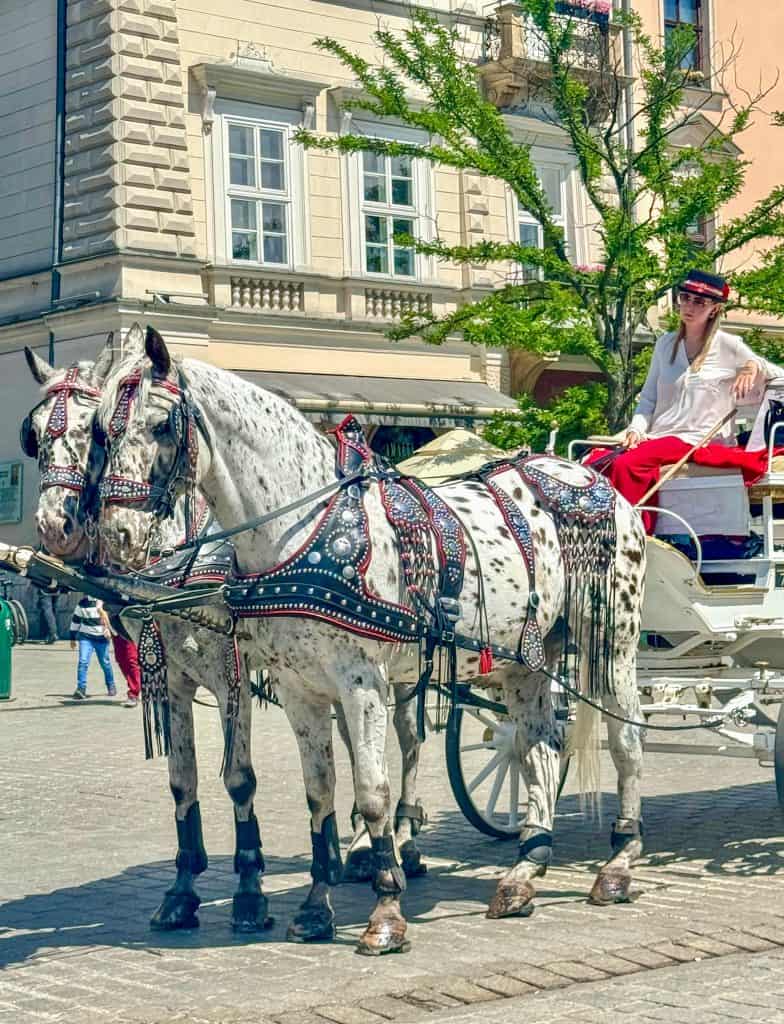

Kraków – The Cultural Heart of Poland
Kraków’s Enduring Appeal
Kraków is Poland’s second-largest city and a long-time favourite with first-time visitors. Its beautifully preserved Old Town is centred around Rynek Główny, Europe’s largest medieval square—a vibrant place to linger. You can relax on a café terrace, browse street food stalls, or shop for souvenirs in the historic Cloth Hall.
Kraków is a city where you feel immersed in the best of historic Europe—walkable, atmospheric, and full of charm.
Layers of History
Once the royal capital of Poland, Kraków offers a deep and varied history, from its medieval foundations to the tragedies of World War II. Wawel Castle, perched on a limestone hill above the Vistula River, was once home to Polish kings and queens.
Just beyond the castle lies Kazimierz, the city’s historic Jewish Quarter and once one of Europe’s largest Jewish centres. Today it’s one of Kraków’s most atmospheric neighbourhoods—filled with art galleries, independent shops, and lively bars and cafés.
Easy Day Trips
Kraków is also a convenient base for exploring two of Poland’s most important UNESCO-listed sites: Auschwitz-Birkenau and the Wieliczka Salt Mine. Both are easily reached on half- or full-day tours and offer powerful insights into different aspects of Poland’s past.
Highlights
- Wawel Castle and Kraków’s beautifully preserved Old Town
- Kazimierz – the historic Jewish Quarter
- Schindler’s Factory Museum – a must for WWII history buffs
- Day Trip to Auschwitz-Birkenau Memorial and Museum
- Wieliczka Salt Mine – a fascinating underground world
- Vibrant Rynek Główny – Europe’s largest medieval square, full of life day and night
Pros:
- Compact and easy to explore on foot
- Well-developed tourist infrastructure
- Rich in Medieval and Renaissance architecture
- Ideal base for Day Trips to Auschwitz and the Salt Mine
- Convenient access to Budapest, Prague and Vienna by train or coach
Cons:
- Very crowded during summer, especially around the Old Town
- Popular with stag and hen groups on the weekends
- Some parts of the Old Town might overly commercialised
- Less architectural diversity compared to Warsaw
- Generally more expensive than Gdańsk for accommodation and dining
Drawn to Kraków?
Explore the best of the city-from café – lined squares to historic neighbourhoods.
👉 Read: 9 Best Things to Do in Kraków
👉 Where to Stay in Kraków for First Timers
Planning a Visit to Auschwitz?
It’s one of the most significant and emotional places you can visit in Europe. Here’s everything you need to know before you go.
👉 Visiting Auschwitz: How to Get There, What to Expect & Why It Matters


Warsaw – A Capital Rebuilt from Ashes
Warsaw is Poland’s largest city and its capital—a place where restored townhouses, communist-era blocks, and modern glass towers all coexist. It’s a city of striking contrasts, more focused on business than tourism, yet full of cultural depth and historical weight. For travellers who enjoy world-class museums, stories of resilience, and a touch of grandeur, Warsaw has plenty to offer.
Architecture and Regal Landmarks
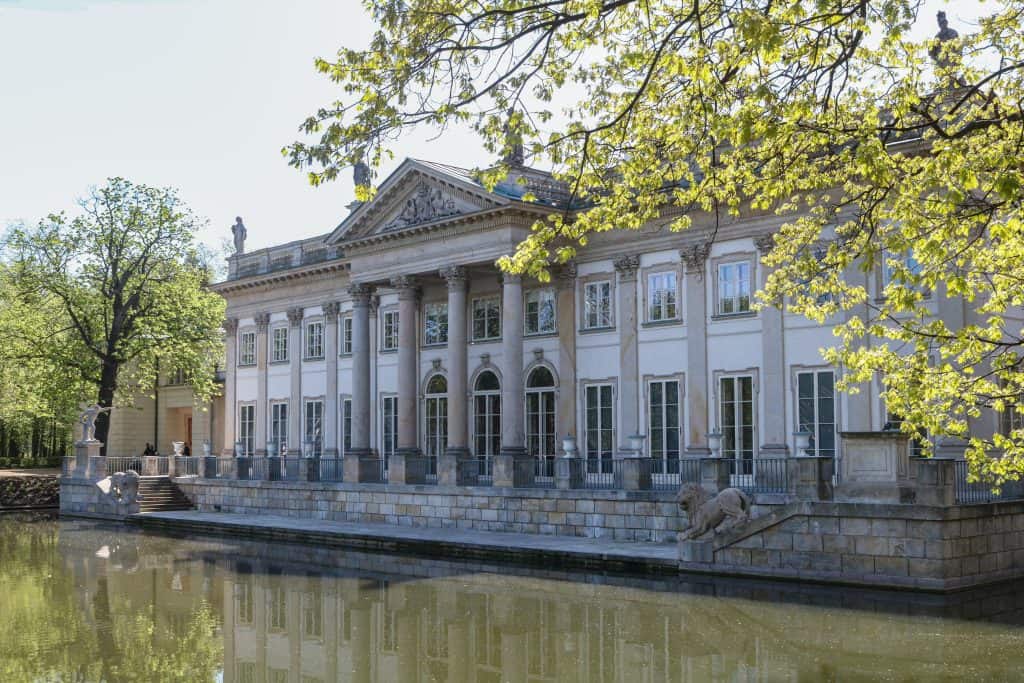
If you’re drawn to grand buildings and palatial design, Warsaw won’t disappoint. Explore the reconstructed Royal Castle in the heart of the Old Town, stroll through elegant Łazienki Park and Palace complex, or head to Wilanów Palace, often called the Polish Versailles.
Stories of War and Rebirth
For those interested in 20th century history, Warsaw is especially powerful. Warsaw is a city that rose from the rubble after almost 85% of its buildings were destroyed during World War II. What you see today is the result of extraordinary reconstruction.
The excellent Warsaw Uprising Museum provides a moving and immersive account of the 1944 resistance. Nearby, the traces of the former Jewish Ghetto are marked by memorials and fragments of walls. For a deeper understanding of Poland’s Jewish heritage and the impact of the Holocaust, the award-winning POLIN Museum offers a rich, multi-layered experience—celebrating centuries of Jewish life in Poland as well as the tragic events of the 20th century.
Chopin’s City
Music lovers will also feel at home—Warsaw was the birthplace of Fryderyk Chopin. You can visit his birthplace in Żelazowa Wola, explore the interactive Chopin Museum, and attend recitals in historic venues and leafy Łazienki Park.
Highlights
- Warsaw Old Town – meticulously rebuilt after the destruction of WWII
- Warsaw Uprising Museum – a powerful tribute to the 1944 resistance
- POLIN Museum of the History of Polish Jews – immersive and award-winning
- Cold War Architecture, including the iconic Palace of Culture and Science
- Expansive parks and lively cultural festivals, especially during summer
- Chopin-related sites – museum, memorial and live performances
Pros:
- Excellent public transport system, including metro, trams, and buses
- Fewer tourists than Kraków, especially outside peak season.
- Rich 20th century history and world-class museums.
- Plenty of green spaces, ideal for breaks between sightseeing.
- Easy access via Chopin Airport and well-connected rail network.
Cons:
- Less walkable overall—distances between major sights requires public transport
- Doesn’t have the same romantic charm and intimacy of Gdańsk and Kraków’s Old Town
- Some areas feel more functional or businesslike than atmospheric
Thinking of adding Warsaw to your Itinerary?
This city has a lot to offer – here’s my round-up of some of the best things to see and do.
👉 Read: 9 Best Things to Do in Warsaw
.👉Where to Stay in Warsaw: Best districts, hotel picks, and accessibility tips for first-timers


Gdańsk – Poland’s Baltic Beauty
Gdańsk may be smaller than either Warsaw or Kraków, but it leaves a lasting impression. This colourful port city on the Baltic Sea is full of charm, with cobbled lanes, Hanseatic architecture, and riverside views that make it a joy to explore on foot. Its Main Town is postcard-perfect, especially along Długi Targ (Long Market), where ornate façades and decorative details reflect its prosperous past as a member of the Hanseatic League.
Despite its fairy-tale looks, Gdańsk has a serious historical legacy. World War II began here, with the first shots fired at Westerplatte. Decades later, the Solidarity movement helped bring about the fall of communism in Eastern Europe. You can trace this powerful history at the Museum of the Second World War and the European Solidarity Centre—two of the best modern museums in Poland.
Gdańsk also makes a great base for coastal day trips. Visit the seaside resort of Sopot, or take the train to Malbork Castle, the world’s largest brick fortress and a UNESCO World Heritage site.
Whether you’re drawn to rich history, relaxed waterfront strolls, or easy day trips by train, Gdańsk offers a slower, deeply rewarding experience.
Whether you’re drawn to wartime history, picturesque architecture, or maritime heritage, Gdańsk delivers far more than its size might suggest.
Highlights
- Colourful merchant houses along Długi Targ
- Beautiful Old Town architecture
- Museum of the Second World War
- European Solidarity Centre
- Historic WWII sites at Westerplatte and the Gdańsk Post Office
- Beautiful Motława promenade – ideal for evening strolls and outdoor dining
Pros:
- Beautiful and compact—easy to explore on foot
- Distinct Hanseatic charm and strong local identity
- Great base for day trips to Sopot, Malbork Castle and the coast
- Affordable entry point to Poland via budget airlines
Cons:
- Fewer direct international flights compared to Warsaw or Kraków
- Popular museums can get crowded with school or tour groups
Want to explore Gdańsk in more depth?
You’ll find everything from museums to coastal views in my guide to the 9 best things to do in Gdańsk. Ready to plan? My 2-day itinerary shows you how to fit it all in.
👉 Read: 9 Best Things to Do in Gdańsk
👉 Read: Visiting Gdańsk – a 2-Day Itinerary
👉 Where to Stay in Gdańsk – Best districts, hotel picks, and lift-access essentials
Which Polish City is Right for You?
If you have time to visit all three—do it. Each offers rich history, vibrant local food scenes and excellent museums—even for those who don’t usually gravitate toward museums. But if you’re choosing based on travel style, here’s a quick guide to help you decide:
- Kraków: Go for the classic European experience—cobbled streets, royal castles, and a buzzing medieval square.
- Warsaw: Ideal if you’re drawn to complex 20th century history, striking contrasts, and world-class modern museums.
- Gdańsk: Choose this coastal gem for a smaller, scenic setting shaped by its maritime past and wartime legacy.

Which City is More Affordable?
Accommodation
Of the three cities, Kraków tends to be the most expensive when it comes to hotels—though still excellent value compared to Western Europe. At the time of writing, 3-star hotels in Kraków were around $30 USD more per night than similar options in Warsaw or Gdańsk. For 4-star hotels, Kraków was roughly $10 USD pricier than Gdańsk and $30 USD more than Warsaw. Weekend rates often spike by around 30% in both Kraków and Warsaw.
Dining Out
Restaurant prices varied more by location than by city. Dining in Kraków’s Rynek Główny or along Gdańsk’s Motława River is undeniably scenic—but you’ll pay for the view. That said, we enjoyed excellent meals with drinks in all three cities for between $45 and $70 USD.
For more details on average costs and budgeting tips, see my practical guide to Poland Travel Costs in 2025.
Can you Visit All Three Cities in One Trip?
Absolutely. Poland’s train network makes travelling between cities easy and efficient. The Kraków–Warsaw route takes as little as 2.5 hours, while Warsaw to Gdańsk is about 2 hours and 30 minutes. With 7–10 days, you can comfortably experience the highlights of all three cities.
👉 Use my 10-day Poland itinerary to help you plan the perfect route.
Final Thoughts: Poland’s Top Cities at a Glance
Whether it’s the fairy-tale charm of Kraków, the powerful modern history of Warsaw, or the maritime character of Gdańsk, each city offers something unique. All three are ideal for travellers who appreciate history, architecture, and great food—and they’re surprisingly easy to combine thanks to Poland’s excellent rail network.
If you’re still deciding, go with what speaks to you the most. For what it’s worth, Gdańsk was my introduction to Poland, and it completely surprised me. The ease, the beauty, and the sense of history far exceeded my expectations, which might explain why I still lean towards it as my favourite.
That said, you really can’t go wrong. Whichever city you choose, you’ll find warm hospitality, compelling stories, and experiences that stay with you long after the trip ends.
🧭 Ready to plan your trip?
Dive deeper with my full guides to Kraków, Warsaw, and Gdańsk.
👉 Want to understand your budget? Read my guide to Travel Costs in Poland in 2025 to see what you can expect to spend.
FAQs for Best Cities in Poland to Visit
It depends on your interests. Kraków offers old-world charm, Warsaw showcases modern history, and Gdańsk blends maritime heritage with beauty. Ideally, visit all three.
Yes. With 7–10 days, you can comfortably explore all three. Poland’s fast and affordable trains make city-hopping easy.
Kraków is usually the most expensive of the three major cities, while Warsaw and Gdańsk tend to be slightly more affordable—especially for accommodation. For a full breakdown, see my guide to Travel Costs in Poland in 2025.
Kraków is often the top choice for first-time visitors thanks to its well-preserved Old Town, historic sites, and lively square. But if you’re drawn to modern history and diverse architecture, Warsaw is equally rewarding.
Yes. Gdańsk is a scenic, compact city with a rich maritime past and important World War II history—plus easy access to beaches and castles.
Two to three full days is ideal for each city. That gives you time to explore the highlights, enjoy a food tour or museum, and get a feel for the local pace.
Poland has an excellent train network connecting major cities like Kraków, Warsaw, and Gdańsk. Trains are fast, affordable, and run frequently, making them the best option for most travellers.
Yes. In tourist areas, many people speak at least basic English, and public transport signs are often bilingual. A translation app can help with menus and ticket machines, but getting around is generally straightforward.


