Maramureș, Romania: How to Visit, What to See and What to Expect
Freedom Years Travel contains affiliate links. If you make a purchase using one of the links below, we may receive compensation at no extra cost to you. We only recommend products and services we use and trust. Read our disclaimer for more information.
Is Maramureș actually worth the effort to get to?
It’s a fair question. The region sits in the far north of Romania, close to the Ukrainian border, and visiting usually means going out of your way. It’s also often described in fairly vague terms—traditional villages, wooden churches, a slower way of life—which doesn’t always make it clear what a visit actually involves.
On my recent trip, I was drawn in by descriptions of Maramureș as “Europe’s last living rural culture”, and spent two days based in the village of Breb.
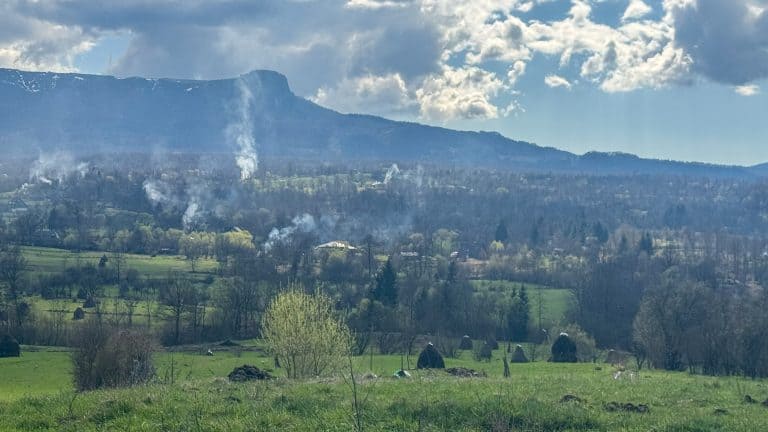
As you arrive, the road rises slightly before opening out over a wide valley—fields dotted with haystacks, smoke coming from chimneys, and mountains still holding patches of snow. I know it’s a cliché, but it really did feel like stepping into a storybook.
Two days later, it had become our favourite part of visiting Romania as part of our wider Romania Road Trip.
Not because of any particular standout “must-see” sights, but because of the overall experience—staying in a village, interacting with locals, and seeing how much of daily life still revolves around traditional ways of living.
It does, however, take more planning than it might first appear. Distances are spread out, public transport is limited, and without some context it can be difficult to get much beyond the surface.
This guide covers how to visit Maramureș in a practical way, what you can realistically see, and how to decide whether it’s worth including in your itinerary.
Short on time? A private tour with a local guide gives you a far better overview of Maramureș — including access to artisans you wouldn’t visit independently.
→ Check availability for ‘The Best of Maramureș in One Day’
Where is Maramureș and Why Visit?
Maramureș sits in the far north of Romania, bordering Ukraine, and is one of the more remote regions of the country. For most travellers, it’s not on the direct route between major destinations like Cluj-Napoca, Sibiu or Brașov, which is part of the reason it sees fewer visitors.
That relative isolation has helped preserve aspects of rural life that have changed more quickly elsewhere. While Romania as a whole has developed rapidly in recent years, parts of Maramureș still operate in a way that feels noticeably different—small-scale farming, local food production, and traditions that remain part of everyday life rather than something recreated for visitors.
It also feels quite different from other parts of Romania—at times, almost like you’ve crossed into a different country.
Some of the defining features of the region are easy to spot—wooden churches that are still in use, traditional clothing worn to church and celebrations, and the distinctive hand-built haystacks scattered across the fields.
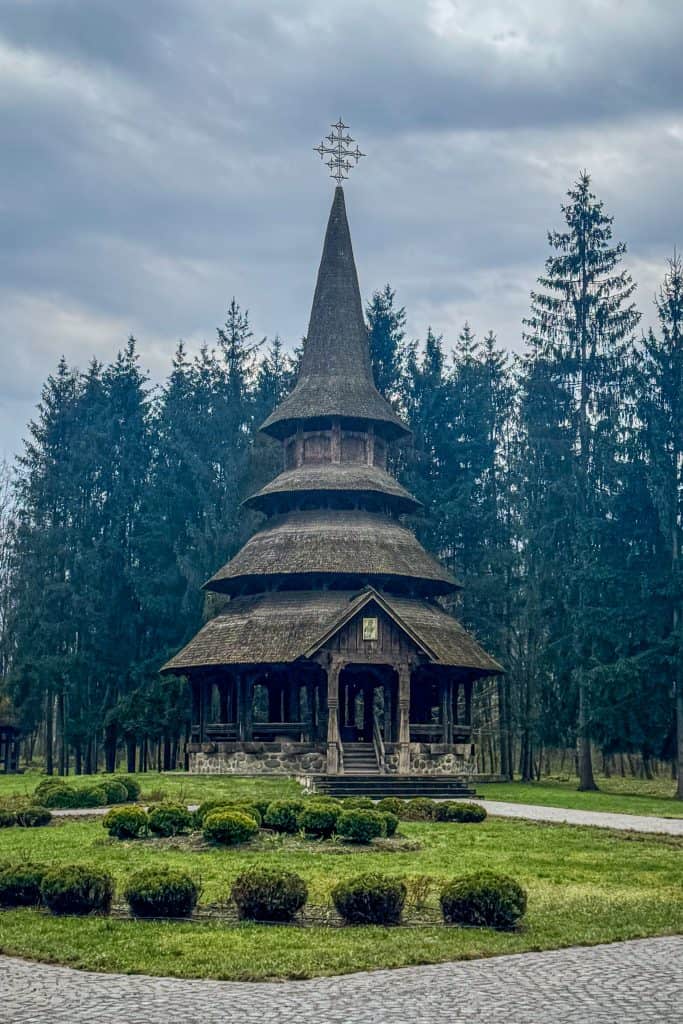
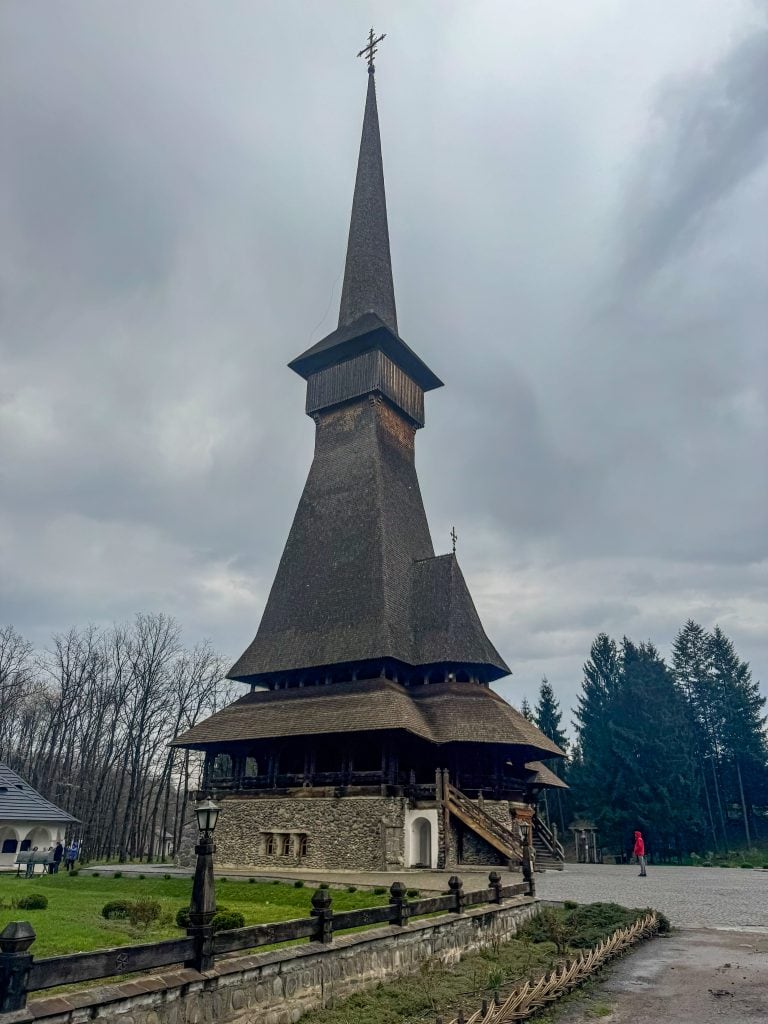
Wooden Churches of Săpânța-Peri Monastery
What Maramureș Is Known For
Wooden Churches
The wooden churches are the most recognisable feature of the region, and you’ll see them mentioned in almost every guide. Several are UNESCO-listed, but even beyond those, they appear throughout villages across Maramureș.
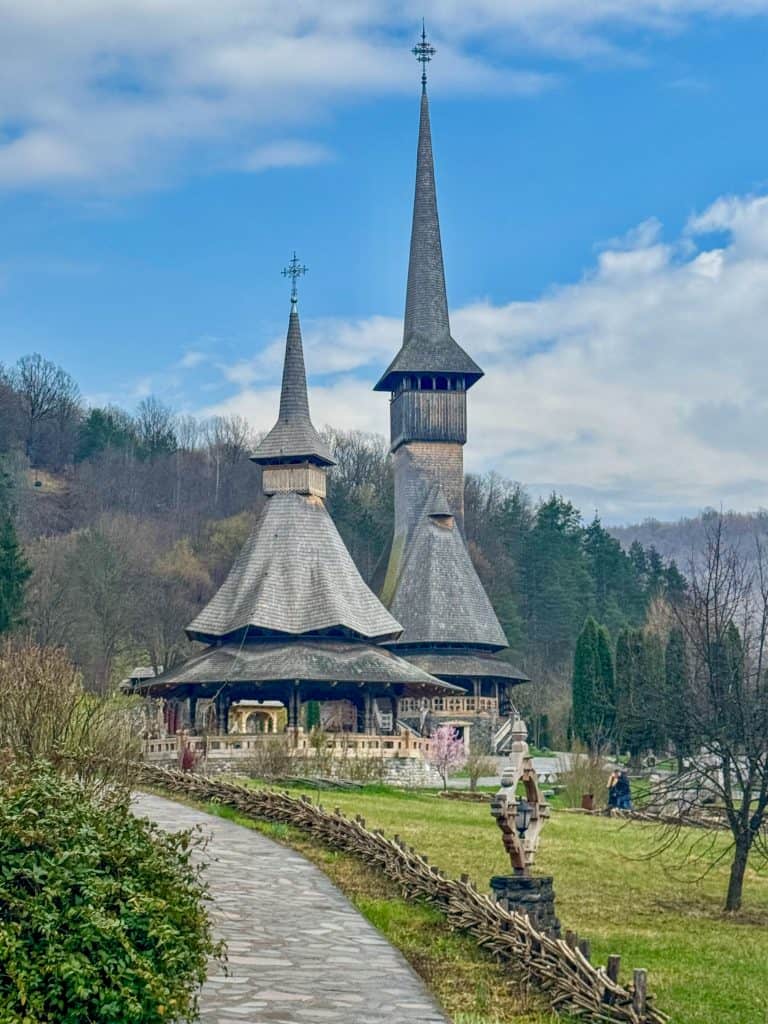
They’re easy to recognise—tall, narrow structures built entirely from wood, with steep shingled roofs and very high spires that rise above the surrounding houses. Many date back several centuries and were built this way partly because local communities were once restricted from constructing stone churches.
From the outside they’re quite simple, but inside many are covered in detailed religious paintings.
These churches are still in use, with services held regularly and an active role in village life.
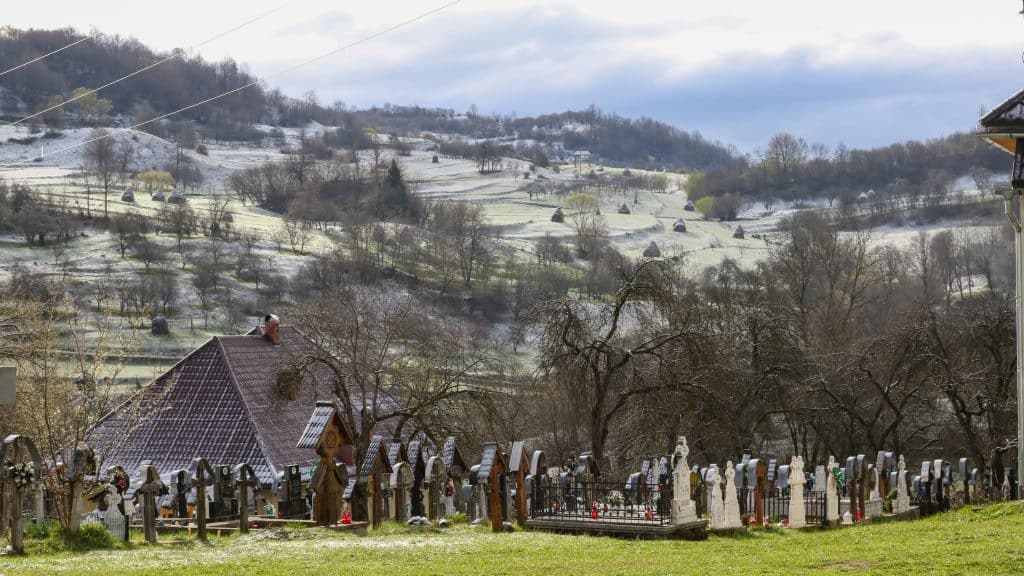
Traditional Villages and Rural Life
Village life is a big part of what draws people to Maramureș, particularly in places like Breb, where we stayed.
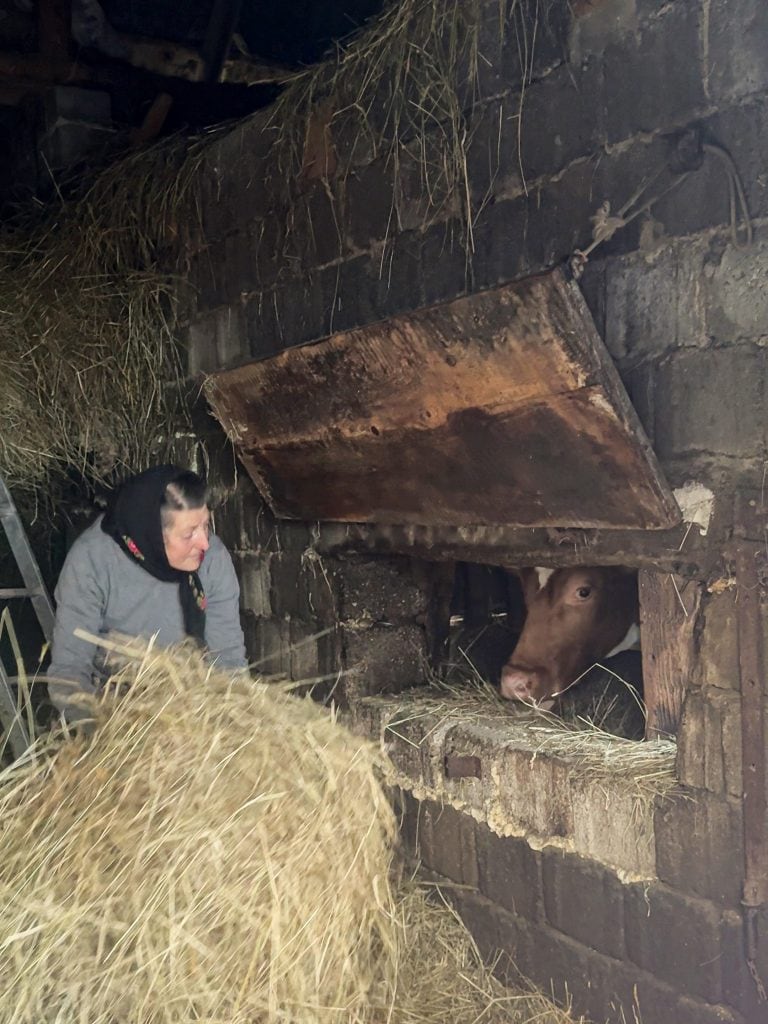
Life here still centres around the home and surrounding land. Many households keep animals—cows, chickens, sheep—and grow or produce much of their own food. Walking through the village, you hear it as much as you see it: cows in the fields, dogs barking, roosters crowing, and the constant sound of running water from streams that pass through the village.
It’s also very hands-on. Hay is still cut and stacked manually, often into the distinctive pointed shapes seen across the fields. Wood is widely used—for buildings, fences, and tools—and many skills, from carving to food preparation, are still done in traditional ways.
You can experience this first-hand by staying in one of the villages, and we found the people here to be among the warmest and friendliest we met anywhere in Romania. Very few locals we encountered spoke English, but that only added to the experience, with most conversations carried out through a combination of hand gestures, smiles, and Google Translate.
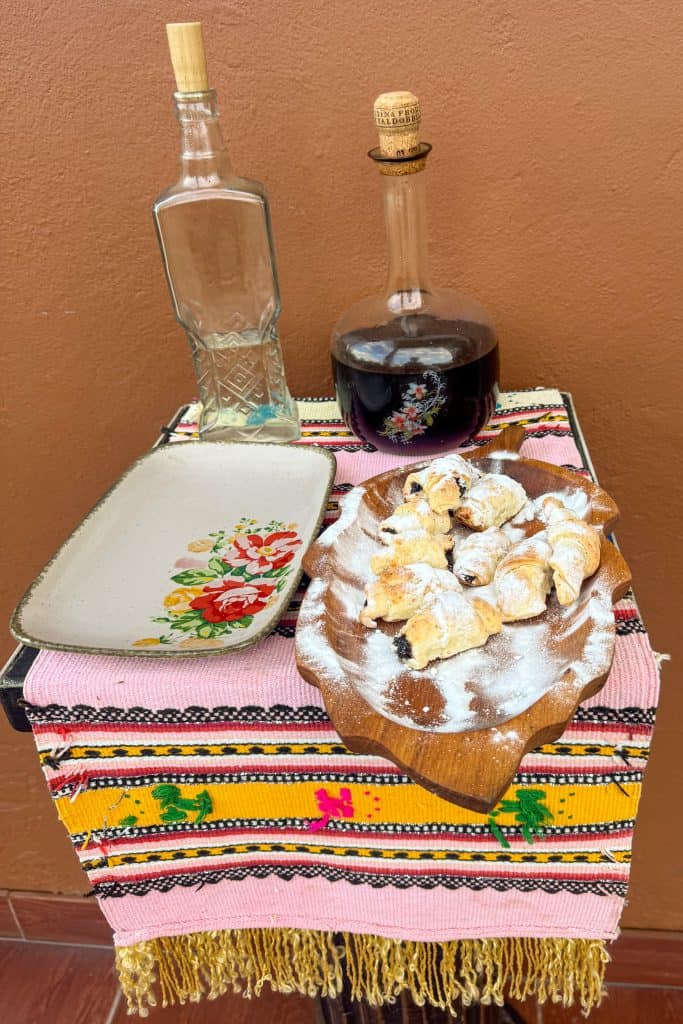
Homemade pálinka is also very much part of local hospitality. We were greeted with it on arrival, offered unlimited pours at dinner, and sent off with a small takeaway bottle as a parting gift when we left. It’s exceptionally strong—closer to rocket fuel than a casual drink—but clearly an important part of welcoming guests.
Traditions That Are Still Lived (Not Performed)
One of the highlights of visiting Maramureș is that many traditions still form part of everyday life, rather than existing mainly for tourists.
Traditional clothing is still worn to church and for religious celebrations, with locals often dressing formally for Sunday services. Religion remains an important part of life in the region, and churches continue to play a central role in the local community.
Seasonal customs are also still widely observed. Our guide explained that Easter in Maramureș is one of the biggest celebrations of the year, involving midnight church services, candle-lighting ceremonies, traditional foods, and customs that have been passed down through generations.
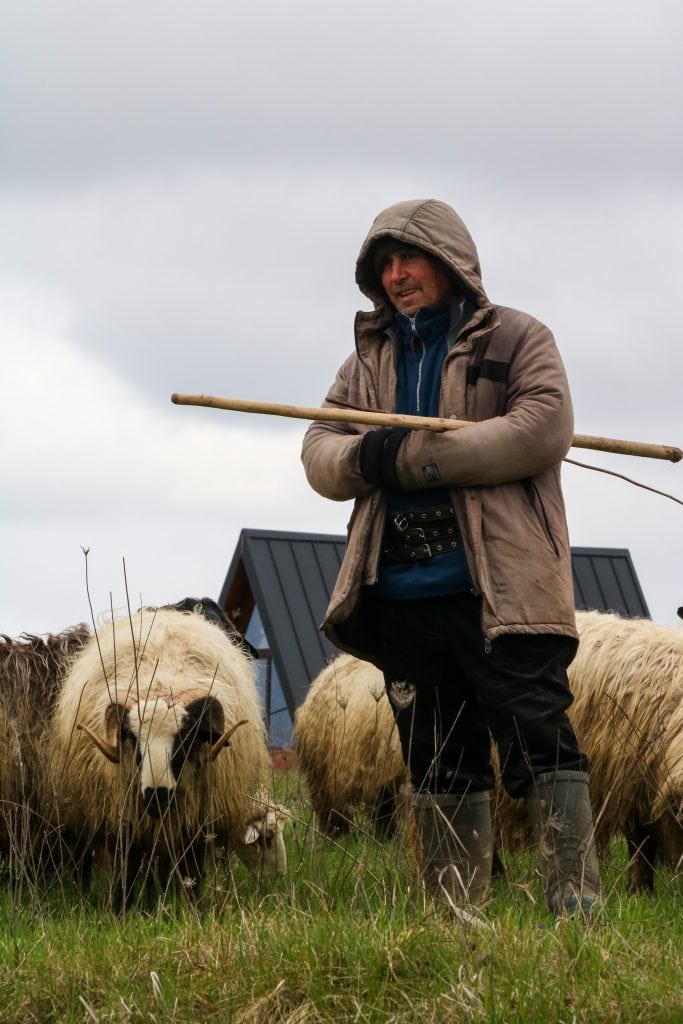
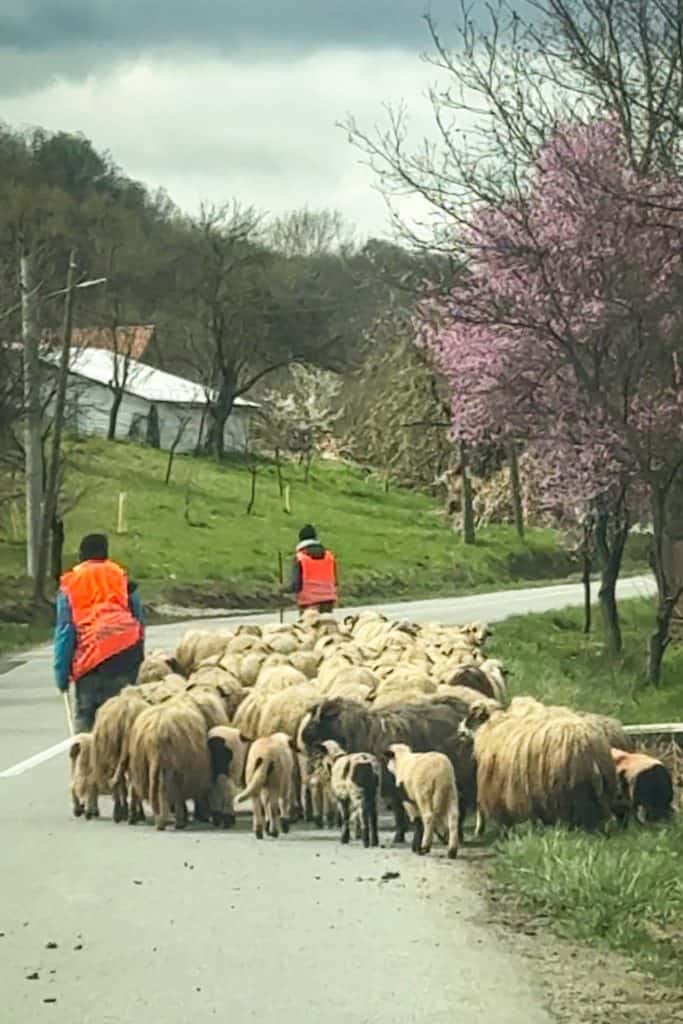
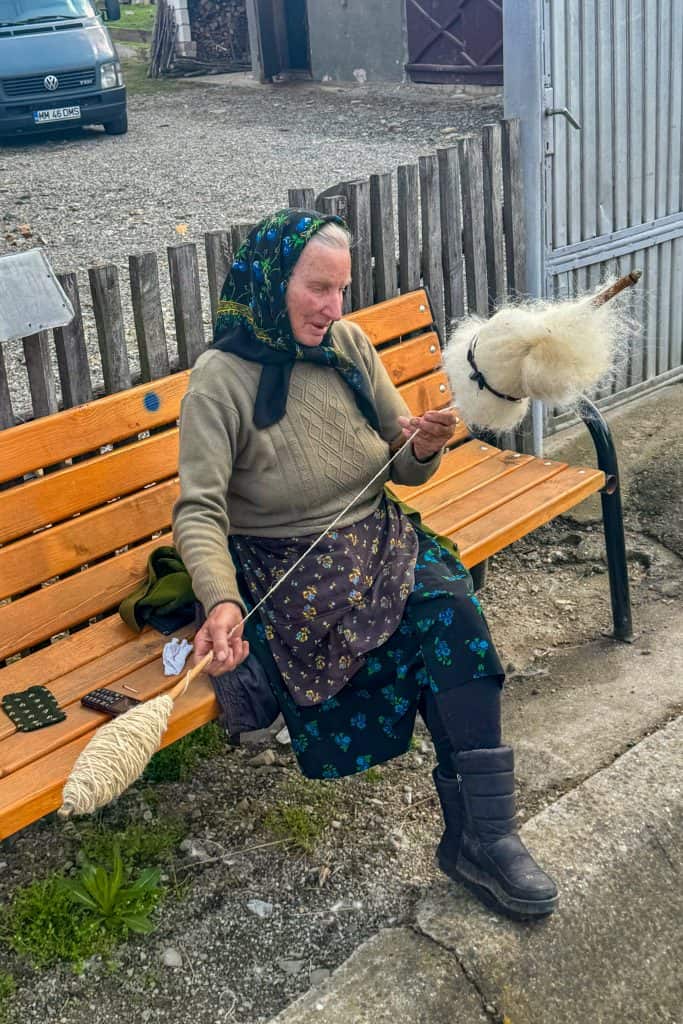
Many traditional skills and occupations also remain part of daily life. During our visit we saw wool being spun by hand, traditional wooden shingle making, and one of the last remaining water-powered wool mills still operating in the region. Shepherding also remains common, with flocks still watched over by shepherds and their large guard dogs in the surrounding hills.
Remarkably, none of this seems put on for visitors. It is simply part of life here.
How to Visit Maramureș
Getting to Maramureș
Maramureș sits in the far north of Romania, and reaching it usually requires a fairly substantial drive from the country’s main tourist centres. To give some perspective, the drive from Cluj-Napoca to Breb takes around 3 hours, while travelling from more central Transylvanian destinations such as Sighișoara can take 5–6 hours depending on your route.
For that reason, most visitors treat Maramureș as a dedicated stop on a wider Romania itinerary rather than a simple day trip or detour.
The Reality of Getting Around
One of the first things to understand about visiting Maramureș is that the region is more spread out than it may initially appear. While many of the main attractions are grouped within the same general area, they are not all concentrated in one town or village.
Most visitors will want to see a mix of churches, villages, workshops, monasteries, and sites such as the Merry Cemetery, all of which require travelling between multiple locations throughout the day.
Public transport does exist, but it is limited and not particularly practical for sightseeing. Services between villages can be infrequent, and relying on buses or trains would make it difficult to see much beyond one or two locations.
For that reason, most visitors will either need their own car or some form of organised transport to explore the region properly.
Visiting Independently
Hiring a car is the easiest way to explore Maramureș independently and gives you the most flexibility if you want to move at your own pace. It allows you to stop in smaller villages, pull over for photos, and spend longer in places that interest you rather than following a fixed schedule.
Road conditions in the region are generally manageable, although some village roads remain unpaved and you may occasionally find yourself driving behind horse carts or livestock. Part of the appeal of the area is simply what you see while moving between destinations, so having your own transport allows you to appreciate that more fully.
The main challenge is that visiting independently requires more planning. Attractions are spread across the region, signage can be inconsistent, and mobile coverage can occasionally be patchy in rural areas. If you choose to drive, it helps to have a rough route planned in advance rather than trying to work it out as you go.
For travellers who enjoy slower, self-directed travel, driving is likely the best option.

Taking a Guided Tour
Even if you have your own car, I would still strongly consider taking a guided tour in Maramureș.
We had a car during our Romania road trip but chose to do a full-day tour of the region, and it added far more to the experience than simply solving the transport issue. While many of the attractions are visually interesting on their own, much of what makes Maramureș special lies in understanding the context behind what you are seeing.
Without a guide, we would have missed much of that. Ours translated exhibits in the Communism Museum that were otherwise only in Romanian, gave useful insight into broader issues facing modern Romania, and took us into artisan workshops and local homes that we simply would never have visited on our own.
Unlike some other parts of Europe where attractions are well set up for self-guided visits, Romania offers far less in the way of signage and interpretation. In many places, you can visit independently without fully understanding the significance of what you are looking at.
For us, having a guide made the experience far richer and more meaningful than it otherwise would have been.
Recommended Tour: Explore Maramureș with Teo
We explored Maramureș on a full-day tour with local guide Teo, and it added huge value to our visit. A passionate local with a background in journalism, Teo has deep knowledge of the region’s history, politics and traditions, and brought far more depth to the day than simply visiting the sights alone.
Things to Do in Maramureș
Visit Maramureș’s Wooden Monasteries
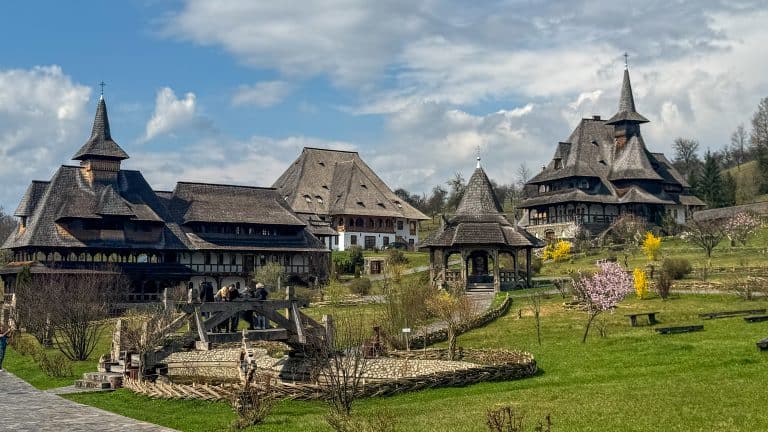
While Maramureș is best known for its historic wooden churches, some of the region’s most striking religious buildings are actually much newer monastery complexes built in the same traditional style.
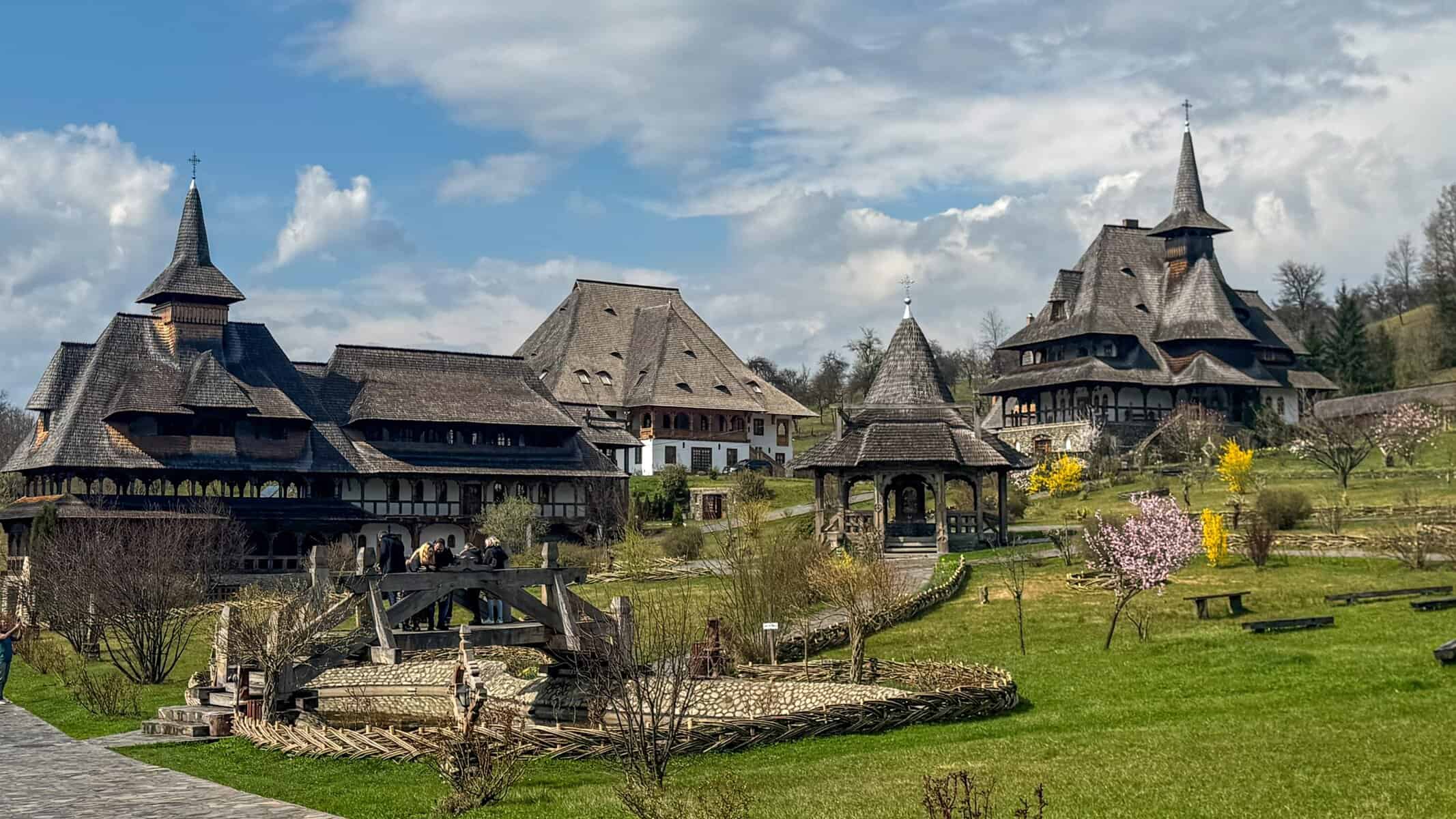
Bârsana Monastery is the most famous, with its dramatic wooden buildings, manicured gardens, and picturesque setting making it one of the most photographed sites in the region. Although relatively modern, it is still highly impressive and worth visiting for its architecture alone.
Săpânța-Peri Monastery is another standout and claims to be among the tallest wooden churches in the world, with a spire reaching 75 metres high.
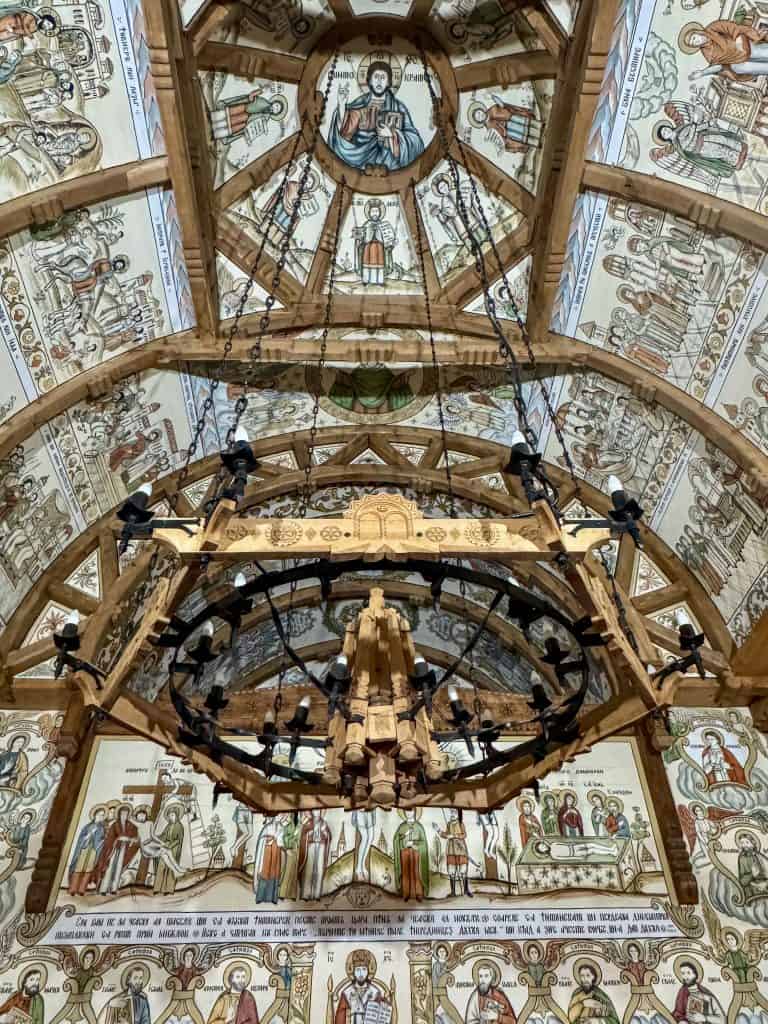
Barsana Monastery
Visit the Merry Cemetery
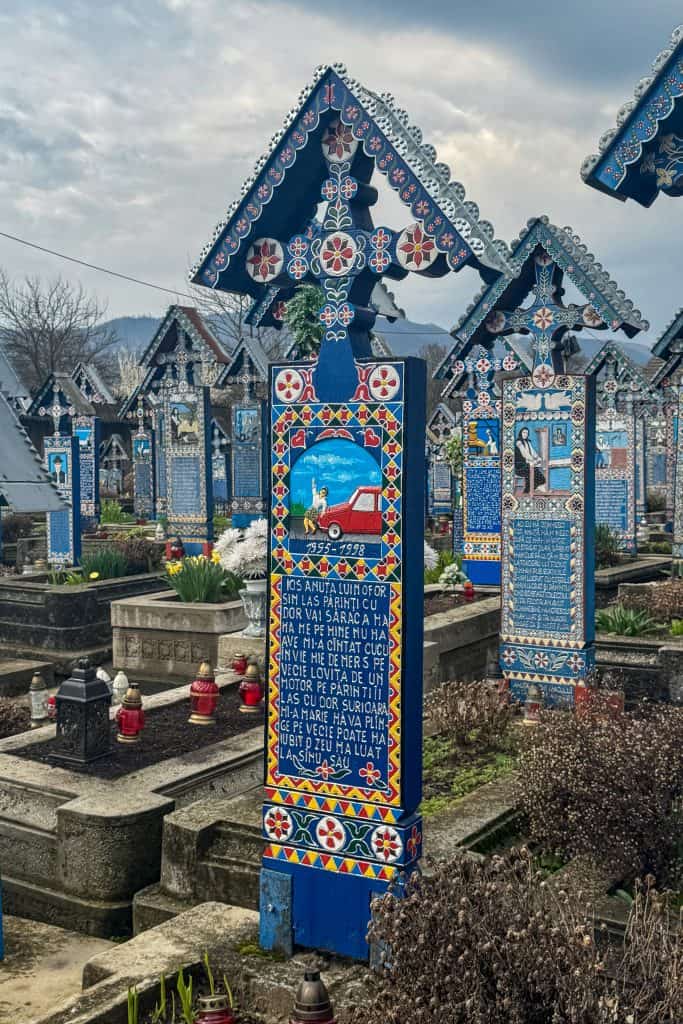
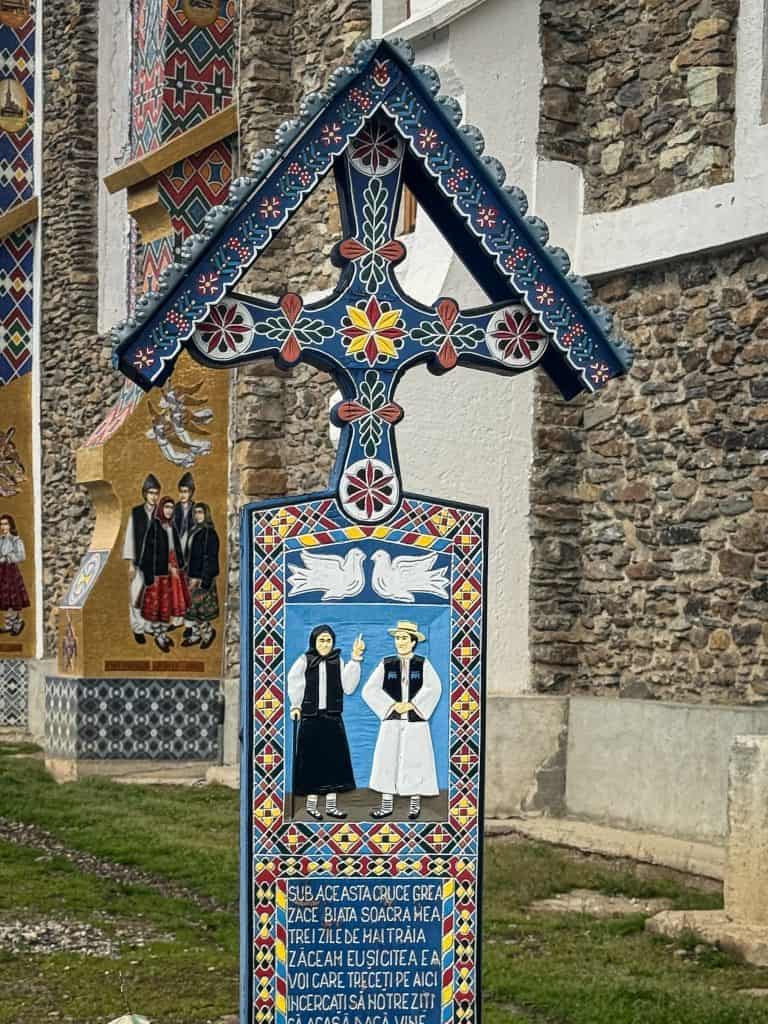
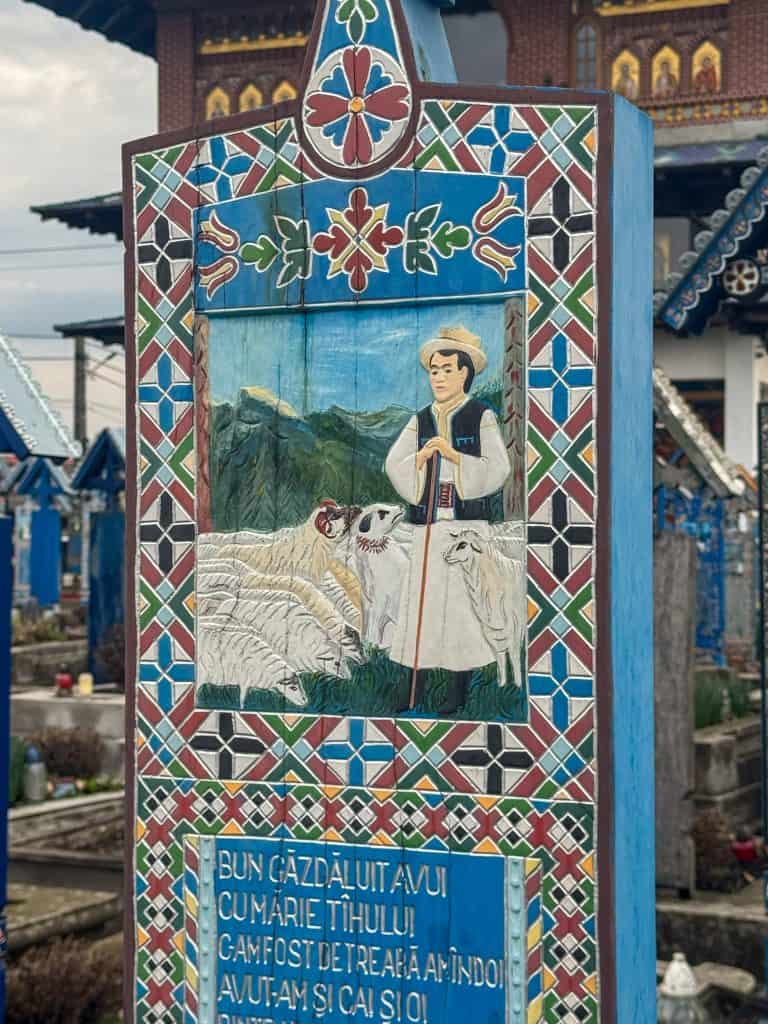
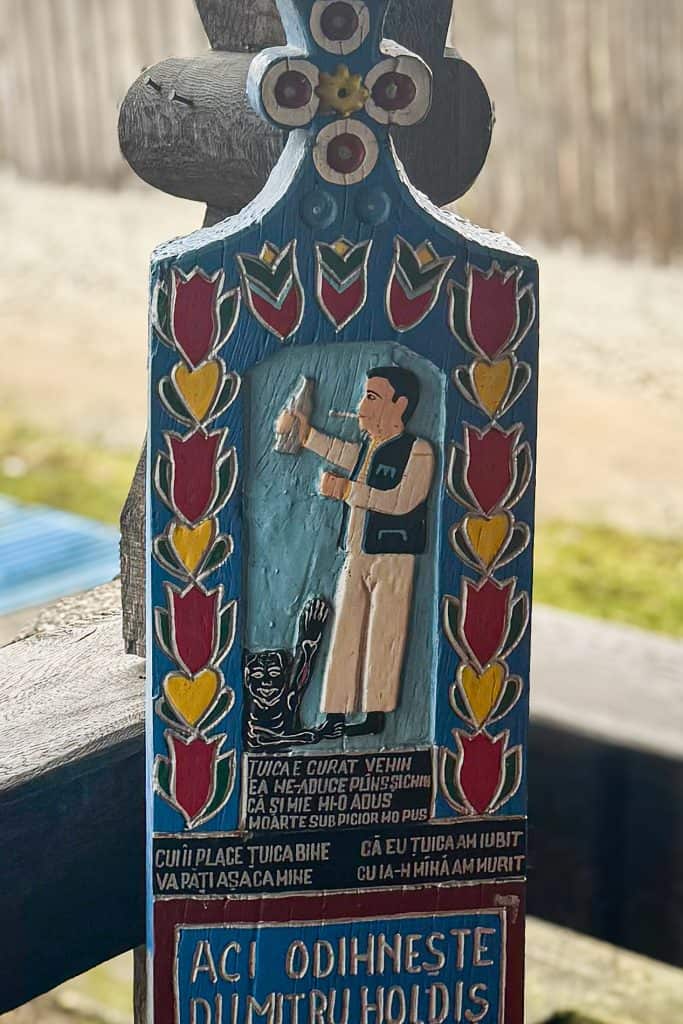
The Merry Cemetery in Săpânța is Maramureș’s most famous attraction, known for its bright blue wooden headstones decorated with painted scenes and sometimes amusing epitaphs about the deceased.
After translating a few of the inscriptions, it soon becomes clear that the headstones are not about idealising the dead. Rather than only focusing on a person’s virtues, many of the epitaphs reference their quirks, flaws, habits, and sense of humour. Some poke fun at a nagging mother-in-law, others warn of the dangers of drinking too much, while some simply remember the person’s occupation.
There is also a church beside the cemetery with a remarkably detailed painted interior, and it is well worth a quick look while you are there.
Visit the Memorial to the Victims of Communism and of The Resistance
Located in Sighetu Marmației, this museum is one of the more sobering but worthwhile places to visit in the region, and is widely regarded as one of the most important museums dedicated to Eastern Europe’s communist past.
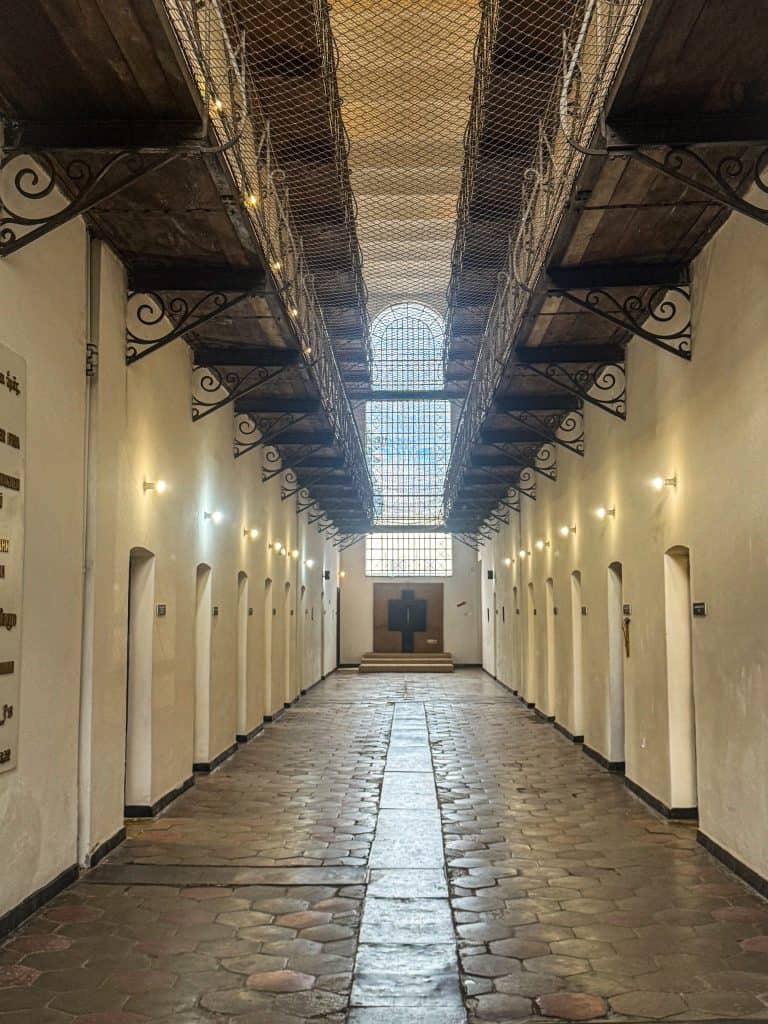
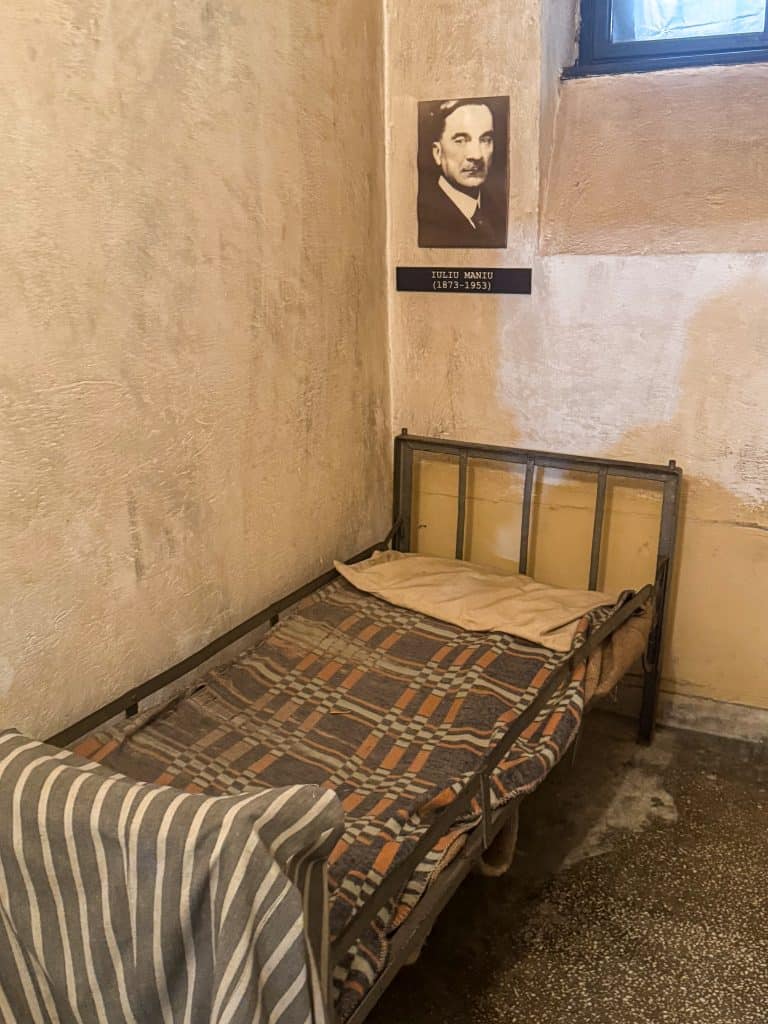
Set inside a former political prison, it documents Romania’s communist period and the treatment of political prisoners, resistance fighters, and other perceived enemies of the state. Many of those imprisoned here were members of the country’s intellectual, religious, and political elite.
What makes the museum particularly impactful are the individual stories that bring the history to life. Our guide explained how, during collectivisation, many farmers had their horses confiscated or destroyed in an effort to force them off their land and into collective farming. Another exhibit told the story of a resistance fighter who spent many years in hiding, only to eventually be captured and spared execution around the time his supporters appealed internationally during Richard Nixon’s visit to Romania.
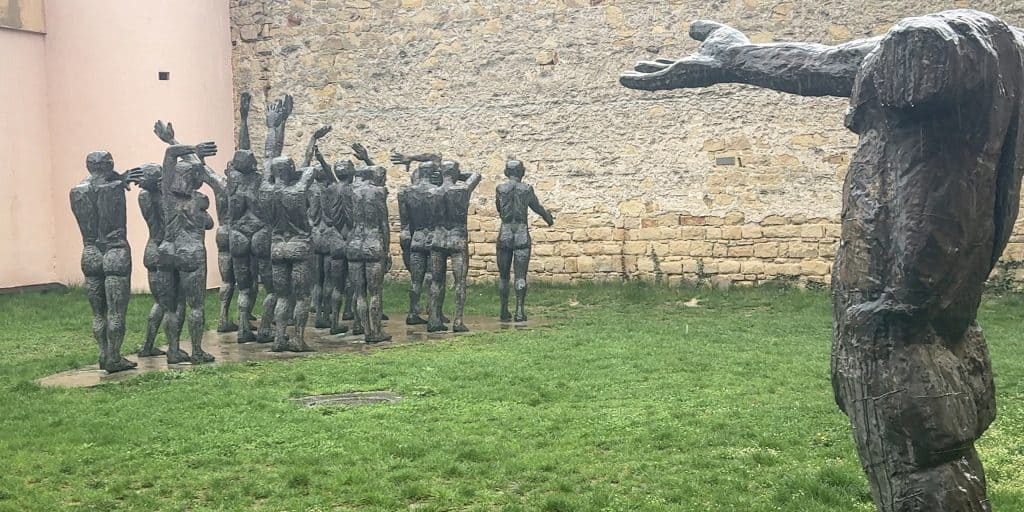
Outside, the museum courtyard contains an unusual sculpture of hollow, marching figures walking towards a wall, symbolising the suffering and dehumanisation experienced under the communist regime.
Many of the exhibits are written only in Romanian, so if you do visit independently, you may not get the full value from the experience without doing some reading beforehand.
Even if museums are not normally your thing, this one is worth considering for the broader context it provides on Romania’s recent history.
Ride the Mocănița Steam Train
One of the most popular activities in the wider Maramureș region is riding the Mocănița steam train, a traditional narrow-gauge railway that runs through the forested Vaser Valley near Vișeu de Sus.
Originally built for transporting timber, the line now operates primarily as a tourist attraction and is one of the last working forestry steam railways in Europe. The journey takes several hours and is said to be particularly scenic, passing through remote mountain landscapes that would otherwise be difficult to access.
We did not personally include this in our itinerary, as our focus was more on the villages and cultural side of the region, but it is consistently mentioned as one of the top things to do in Maramureș. It may appeal to those travelling with extra time or an interest in historic railways.
How Much Time Do You Need in Maramureș?
Most visitors should allow at least two days in Maramureș to experience the region properly.
While it is possible to see many of the main sights in a single day—particularly with a guided tour—doing so can feel rushed and misses much of what makes the region special. Much of the appeal lies in slowing down, staying in one of the villages, and spending time enjoying the rural atmosphere.
We spent two full days in the region and found that to be a good amount of time for seeing the highlights without feeling hurried.
Suggested Time to Spend in Maramureș
- 1 day: Enough to see the main highlights with a guided tour
- 2 days: The ideal time for most visitors
- 3+ days: Best for slower travel, hiking, or adding the Mocănița steam train.
To help with planning your visit, I have marked all of the locations mentioned in this guide on the map below.
Where to Stay in Maramureș
For most visitors, I would recommend basing yourself in one of the traditional villages rather than in a larger town, as staying in the countryside is a big part of what makes visiting Maramureș special.
Breb is perhaps the most popular choice, and this is where we stayed during our visit. It is one of the best-known villages in the region, with a large number of guesthouses and traditional-style accommodation options, and has become increasingly popular with international visitors in recent years.
That said, not every property in Breb offers the same experience. While many are marketed as traditional guesthouses, some feel more like standard accommodation decorated in a rustic style. If authenticity is important to you, it is worth researching carefully before booking. We stayed in what our guide described as one of the most authentic places in the village, and it made a huge difference to the overall experience.
Other villages worth considering include Botiza and Ieud, both of which offer a similarly rural setting but tend to see fewer visitors than Breb.
For travellers who prefer a more conventional base—or who are less enthusiastic about farm smells and the realities of village life—Sighetu Marmației is the main town in the region. It offers a wider range of hotels and apartments. It is less atmospheric, but may suit those looking for greater comfort or convenience.
Recommended Places to Stay in Maramureș
For Authentic Village Life: Casa Grai Moroșănesc – The most authentic stay we found in Maramureș, with traditional interiors, homemade food, and exceptional hospitality.
For Comfort & Convenience: Pension Casa Iurca – A practical option for travellers wanting hotel-style comfort while still exploring the region.


Practical Tips
Know Before You Go
- Download an eSIM before you arrive
- Do not expect everyone to speak English
- Bring cash
- Pack practical footwear
- Expect a rustic experience
Final Thoughts about Visiting Maramureș
Maramureș ended up being our favourite part of visiting Romania, and one of the most memorable regions we visited anywhere in Eastern Europe.
What makes it special is not any single attraction, but the overall experience of being there—staying in a traditional village, seeing customs that are still part of everyday life, and getting a glimpse into a side of rural Europe that feels increasingly rare.
It does require more effort to visit than many other parts of Romania, and the region may not appeal to travellers looking for polished tourism infrastructure or major headline attractions. But for those interested in culture and authenticity, Maramureș is absolutely worth the detour —particularly if you are planning a wider Romania road trip.
FAQs about Visiting Maramureș
Yes—Maramureș ended up being our favourite part of Romania. While it lacks major “bucket list” attractions, the region offers a unique cultural experience centred around traditional villages, rural life, and customs that remain part of everyday life.
Most visitors should allow at least two days in Maramureș. This gives enough time to see the main sights while also spending time enjoying the villages and slower pace of life that make the region special.
Despite becoming more popular in recent years, Maramureș still feels far less touristy than many of Romania’s better-known destinations. Outside of a few key sites such as the Merry Cemetery and Bârsana Monastery, much of the region remains quiet and relatively untouched by mass tourism.
Breb is the most popular village for visitors and is widely considered one of the best places to stay in the region due to its traditional atmosphere, range of guesthouses, and central location for exploring.
Having a car is helpful, but not essential. Many visitors explore independently by car, though we found taking a guided tour added significant value even though we had our own vehicle.
Yes, although Maramureș was the only part of Romania where we regularly encountered locals who spoke little or no English. You can still travel comfortably, but Google Translate is often useful.