Driving in Romania : What it’s really like for First-Time Visitors
Freedom Years Travel contains affiliate links. If you make a purchase using one of the links below, we may receive compensation at no extra cost to you. We only recommend products and services we use and trust. Read our disclaimer for more information.
Before visiting Romania, I spent far too much time reading conflicting advice about driving. Some travellers made it sound stressful and chaotic, while others claimed it was no more difficult than driving anywhere else in Eastern Europe.
By the time we picked up our rental car in Bucharest, I genuinely wasn’t sure what to expect.
After 11 days driving through Bucharest, Transylvania and Maramureș, I think the reality sits somewhere in the middle. Yes, Romanian drivers can be assertive, overtaking is more common than in Australia, and some roundabouts take a bit of getting used to. But overall, we found driving in Romania much easier than we expected.
In fact, it ended up being one of the best parts of the trip.
The scenery was beautiful and having a car gave us access to places we never could have reached easily by train. Most of the driving felt surprisingly manageable. The challenges were usually smaller practical things — roundabouts, parking systems, patchy internet coverage in rural areas and learning to expect more assertive overtaking behaviour.
This guide covers what it’s really like to drive in Romania as an independent traveller, including road conditions, navigation, parking, rural driving and the things we genuinely wish we’d known beforehand.
If you’re planning a similar route, you can also read my 11-day Romania road trip itinerary.
Is Driving in Romania Difficult?
Before arriving in Romania, I’d read plenty of warnings about dangerous roads and aggressive drivers. While there’s some truth behind those comments, I think a lot depends on what type of driving you’re used to and what expectations you bring with you.
Overall, we found driving in Romania quite manageable once we adjusted to the driving style.
The main highways between major cities were generally straightforward, and once we left Bucharest, traffic volumes often dropped considerably. Much of the driving through Transylvania was actually quite relaxed, with long stretches of scenic countryside, small villages and mountain views.
That said, driving in Romania does require concentration. Overtaking behaviour can feel more aggressive than in Australia, road quality varies significantly between regions, and some of the larger roundabouts took us a few days to get comfortable with. Parking systems were also occasionally confusing, particularly in tourist towns where signs and payment instructions weren’t always obvious in English.
For us, the biggest adjustment wasn’t fear — it was predictability. You need to stay alert, allow extra driving time and avoid assuming traffic will behave exactly as it does at home.
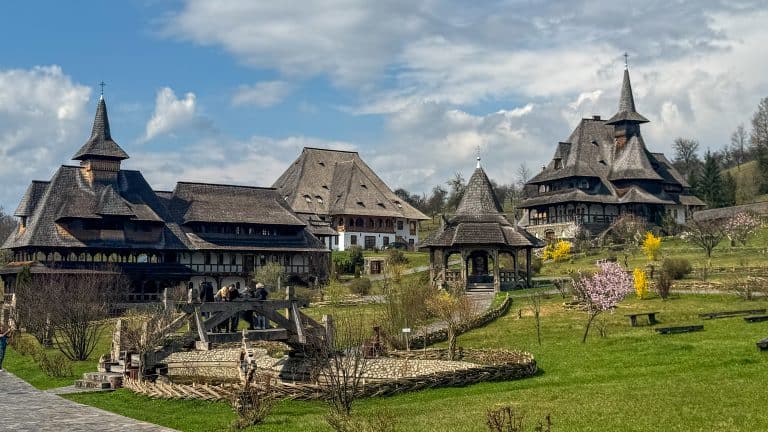
If you’re already comfortable driving in unfamiliar countries, especially elsewhere in Europe, I don’t think Romania should put you off. In return, having a car gives you access to some of the country’s most rewarding experiences — from tiny villages in Maramureș to scenic mountain roads and fortified churches that would be difficult to reach efficiently by public transport.
🚗 Quick Tips for Driving in Romania
- Bring an International Driving Permit — some rental companies will ask for it.
- Romania applies a zero alcohol limit for drivers.
- Avoid driving in rural areas after dark where possible.
- Take extra care with roundabouts, especially when exiting from the inner lane.
- A local-network eSIM can make navigation more reliable in remote areas.
- Allow longer driving times than Google Maps suggests.
- Check Google Maps for parking before arriving at major attractions.
- Expect more confident overtaking than you may be used to at home.
What Surprised Us Most About Driving in Romania
The biggest surprise was how much we enjoyed it.
Once we left Bucharest behind, much of the driving through Transylvania and Maramureș felt far more relaxed than we expected. Traffic volumes often dropped quickly outside the cities, and many of the roads wound through mountain scenery, forests and small villages where life still seems to move at a slower pace.
Some of our favourite moments in Romania happened on the road itself.
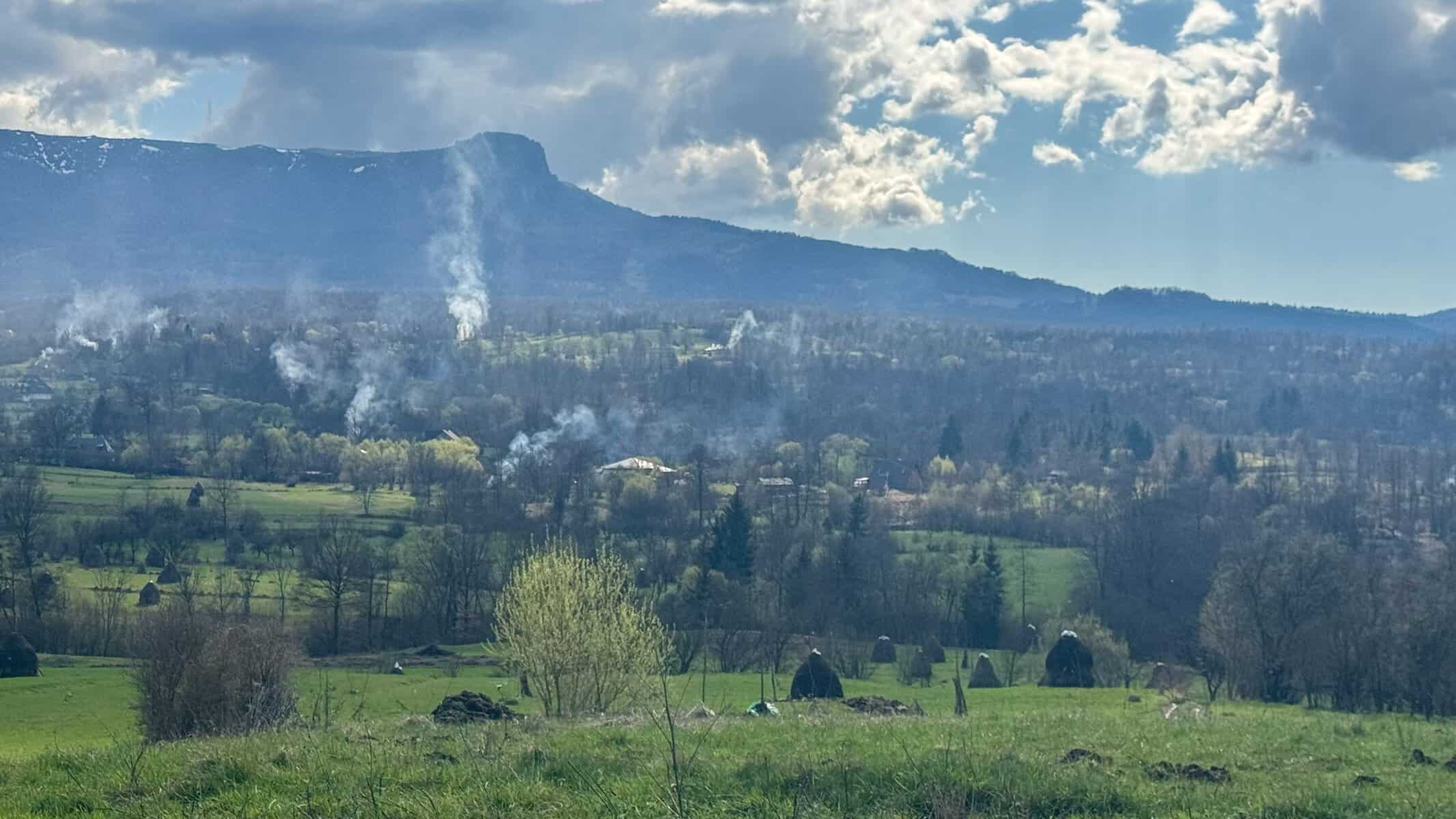
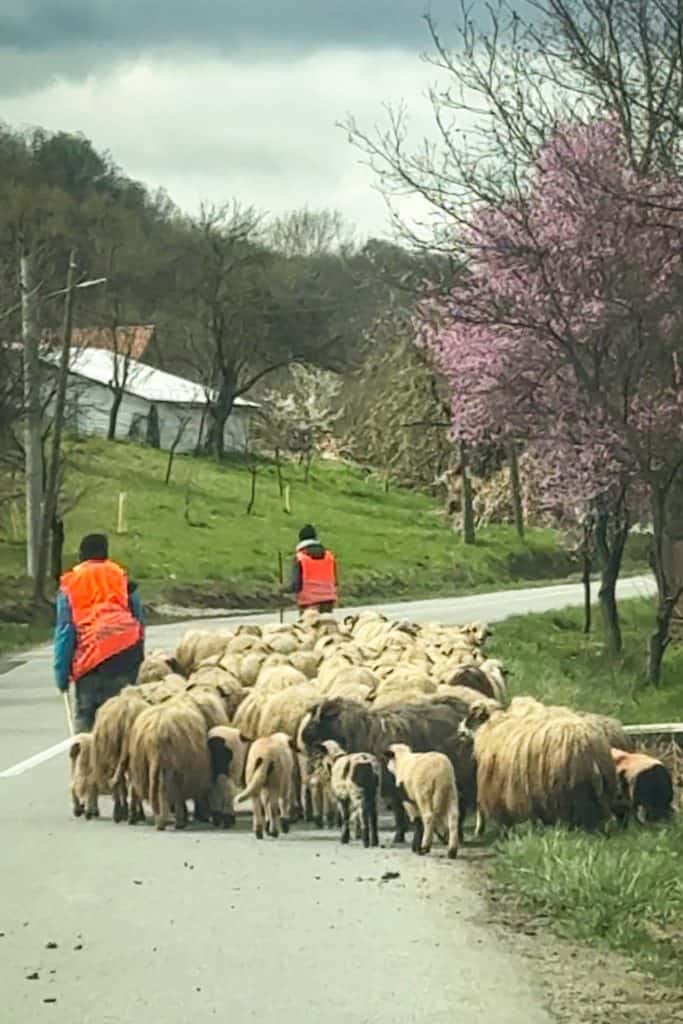
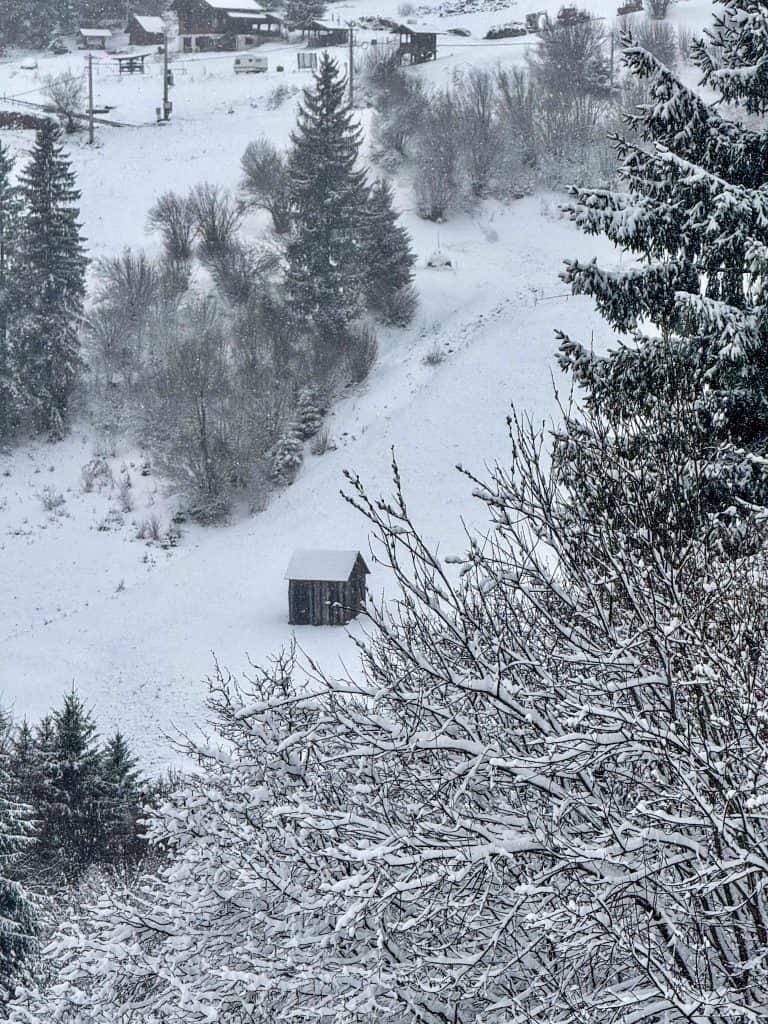
We drove past horse carts carrying hay and furniture, shepherds moving flocks of sheep across rolling hills, and tiny villages where chickens wandered beside the road and smoke curled from chimneys beneath snow-dusted mountains. In Maramureș especially, having a car allowed us to experience parts of rural Romania that would have been very difficult to reach by public transport.
We were also surprised by how good many of the main roads were. Based on some online discussions, I’d expected endless potholes and stressful driving conditions, but that really wasn’t our experience on most major routes. The bigger challenge was usually adapting to local driving habits rather than the roads themselves.
Driving times were often slower than the distances suggested, though. Between mountain roads, villages, roadworks and traffic entering larger towns, journeys usually took longer than they would in Australia. In our Romania road trip itinerary, we intentionally built in slower travel days, which made the experience far more enjoyable.
Another surprise was how dependent we became on mobile data while driving. Navigation apps were essential, especially when finding accommodation, parking areas or castle entrances that weren’t always clearly signposted. In rural parts of Maramureș, we occasionally dropped back to extremely slow coverage, which made having an eSIM much more important than we’d anticipated.
Despite a few moments of confusion — usually involving parking or roundabouts — we adjusted surprisingly quickly.
The Biggest Challenges of Driving in Romania
Most of the challenges we experienced while driving in Romania weren’t dramatic or frightening — they were smaller practical things that took time to adjust to.
For us, the biggest adjustment was learning not to expect everything to work quite the same way it does at home.
Roundabouts Take a Little Getting Used To
Roundabouts were probably the thing that took us the longest to feel comfortable with, even coming from Australia where we’re already very used to them.
The challenge wasn’t the roundabouts themselves so much as the flow of traffic within them. Cars in the outer lane didn’t always exit when we expected, which sometimes made leaving from the inner lane feel less straightforward than it would at home.
It’s not chaotic — just less predictable.
After a couple of days, we adjusted fairly quickly, but early on we found it helped to choose lanes carefully before entering and drive a little more cautiously than we normally would. If you want a more detailed explanation of Romanian road rules and roundabout lane usage, the RAC Romania driving guide gives a good overview.
Overtaking Behaviour Can Feel Aggressive at First
This was probably the aspect of Romanian driving that matched the online warnings most closely.
On rural roads especially, Romanian drivers often overtake far more confidently than Australian drivers typically would. Sometimes cars would pull out to pass in situations where we would almost certainly have waited longer at home.
The first few times it happened definitely produced a bit of a white-knuckle reaction from us — it did feel a little confronting.
But after a while, we realised most local drivers were extremely familiar with the roads and traffic flow. Once we adjusted our expectations, it became much less stressful. We simply learned to stay alert, remain predictable ourselves and pull over safely where possible if faster traffic started building up behind us.
Parking Was Often More Confusing Than the Driving
Honestly, parking caused us more stress than the roads themselves.
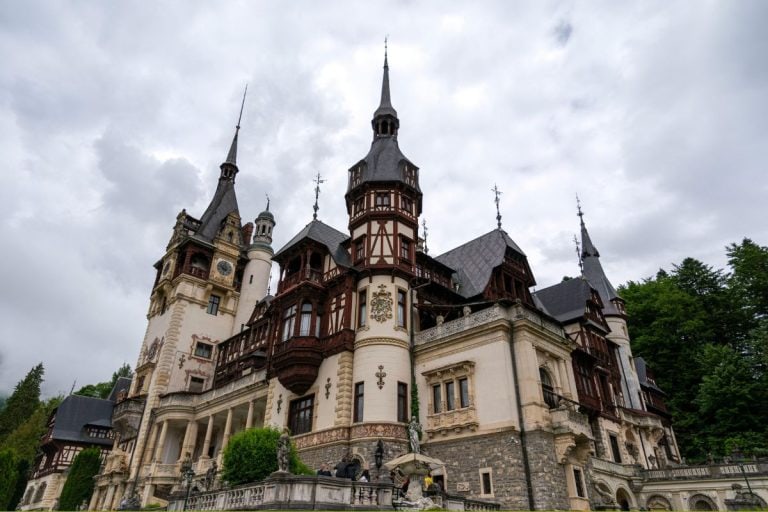
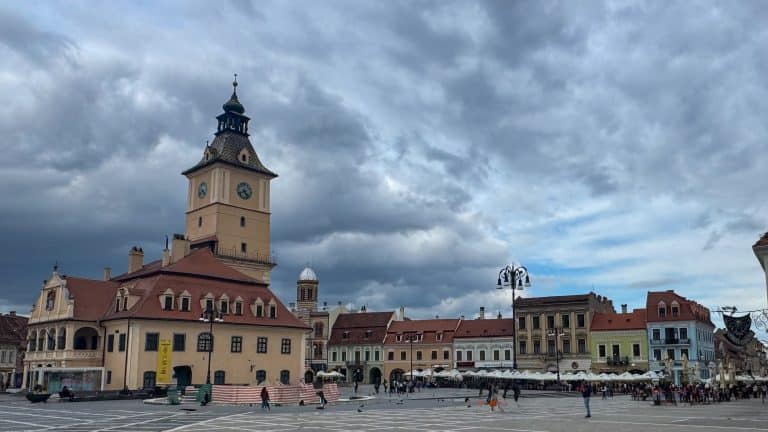
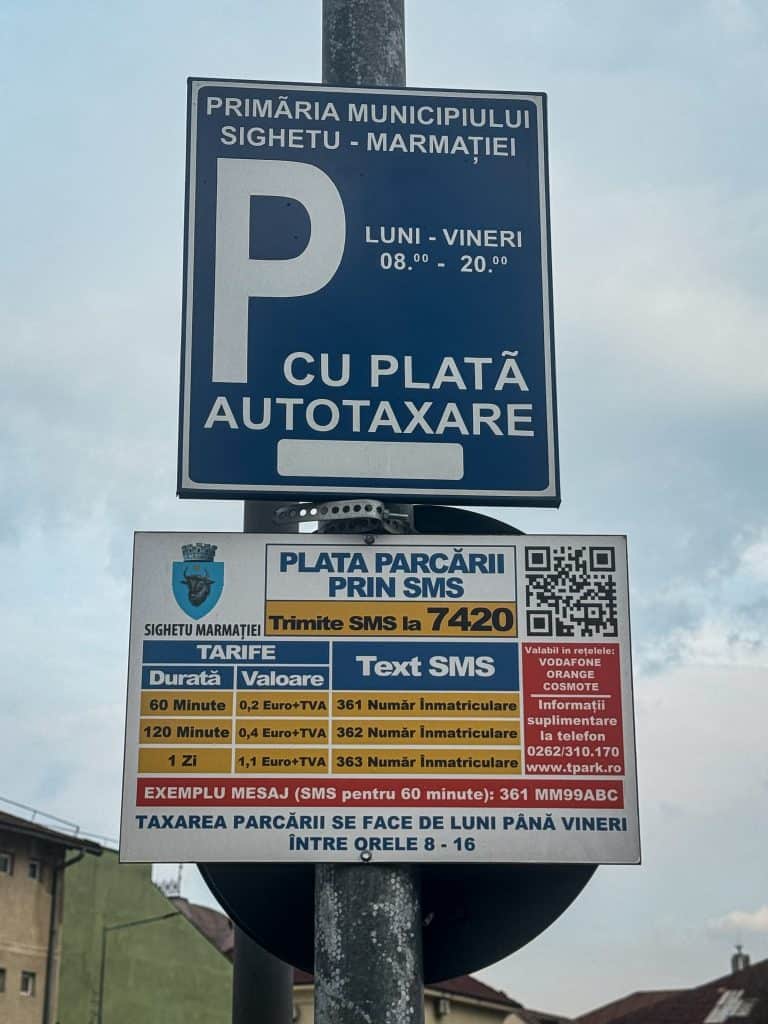
Several tourist towns had paid parking systems that weren’t immediately obvious to foreign visitors, and signs weren’t always particularly clear in English. At Bran Castle, Poiana Brașov and Peleș Castle, we spent more time than expected trying to work out where we could legally park and how payment worked.
In some places, parking attendants handled payments directly. In others, there were ticket machines, parking apps or signs that required a bit of interpretation.
After a while, we learned to check Google Maps for parking before arriving at busy attractions. Searching something simple like “Bran Castle parking” usually revealed nearby paid parking areas with reviews and photos, which we found far easier than trying to interpret parking signs once we were already driving through town.
We also discovered that parking rules and payment systems can vary considerably between towns. Some areas used parking apps such as Tpark, while others relied on ticket machines or SMS payments linked to Romanian mobile networks. In a few places, parking was only charged during weekday business hours, which wasn’t always immediately obvious from the signage.
If you’re unsure, I’d recommend checking recent Google reviews or asking accommodation hosts for advice before arriving.
Reliable Mobile Data Matters More Than You Think
We relied heavily on Google Maps throughout the trip and found it generally worked very well.
Apple Maps, on the other hand, occasionally sent us to the wrong location entirely — including one accommodation where it directed us to the wrong side of a gated complex.
What surprised us more was mobile coverage in rural parts of Romania, particularly in Maramureș.
Normally when we travel in Europe, we simply use our roaming data from Australia and rarely have any issues. In northern Romania, though, our phones repeatedly dropped back to an “E” signal — an older network type that was so slow it became unusable for navigation.
That became frustrating very quickly when trying to locate accommodation or navigate unfamiliar rural roads.
Partway through the trip, we purchased our first eSIM through Airalo and the difference was immediate. Being connected directly to a local Romanian network gave us far more reliable coverage.
As a first-time eSIM user, I also discovered it’s worth checking everything is working properly before leaving accommodation each morning. I initially managed to mess up the setup and had to chat with the Airalo support team to sort it out. Thankfully they were very helpful, but it’s much easier solving those problems while connected to Wi-Fi rather than sitting in a rural car park wondering why Google Maps won’t load.
Several locals also recommended Waze, particularly for live traffic updates and road hazard warnings. I’m not the most technically savvy traveller, so we mostly stayed with Google Maps, which I found easier to use. But Waze does seem very popular with Romanian drivers, especially around larger cities and highways.
Driving Times Are Often Slower Than They Look on the Map
Romania looks relatively compact on a map, but journeys often took longer than we anticipated.
Roadworks, mountain roads, village speed limits, traffic entering cities and slower-moving local traffic all add time to a journey. We found it much more enjoyable once we stopped trying to fit too much into a single driving day.
In return, some of those slower drives ended up being highlights of the trip — particularly through rural Transylvania and Maramureș, where the scenery constantly changed between forests, farmland, mountain views and tiny villages.
Practical Tips for Driving in Romania
After nearly two weeks driving through Romania, there are a few things we’d absolutely do again — and a few things we’d handle differently next time.
Carry Your International Driver’s Permit
Romania officially requires foreign drivers from countries like Australia to carry an International Driving Permit alongside their licence.
At our car pickup in Bucharest, we actually saw another traveller turned away because he couldn’t produce one. It’s one of those things that feels unnecessary right up until the moment you need it.
Delay Picking Up the Car Until You Leave the Big Cities
One thing that worked very well for us was delaying our car hire until we were ready to leave Bucharest.
We spent several days exploring the city first, then collected the car on a Sunday morning before heading towards Transylvania. Traffic was surprisingly manageable and getting out onto the highways ended up being far less stressful than we’d anticipated.
If possible, I’d also try to avoid collecting a car during weekday peak hour traffic in a major Romanian city.
Don’t Plan Your Flight Home on Car Return Day
This is probably another lesson we’d repeat in future.
Roadworks near Timișoara caused a significant traffic delay on one of our longer driving days, which reinforced how unpredictable driving times in Romania can occasionally be.
Personally, I’d avoid planning an international flight on the same day as returning a rental car — or at the very least allow a very generous time buffer.
A delayed flight is annoying. Missing a flight because you’re stuck behind unexpected roadworks is considerably less fun.
Airport Drop-Offs Are Usually Less Stressful
We also found airport drop-offs much easier than trying to return a car in the middle of a busy city.
Returning the car at Timișoara Airport was very straightforward and removed the stress of navigating unfamiliar city streets, locating an office in traffic and then organising transport into town afterwards.
For us, it was much simpler to drop the car at the airport first and then take a taxi or Uber into the city.
Avoid Driving After Dark in Rural Areas
This was probably the single most useful piece of advice we read before the trip.
In cities and on major highways, driving at night is generally manageable. But in rural areas, conditions can change quickly. Roads are often poorly lit, markings can be harder to see and you may encounter pedestrians, horse carts, cyclists or animals sharing the road.
In Maramureș especially, we were very glad to be driving during daylight hours.
Allow More Time Than Google Maps Suggests
Driving distances in Romania can look deceptively short on paper.
Roadworks, village speed limits, winding mountain roads and slower local traffic all add time to a journey. We quickly learned not to overpack our driving days, particularly if we wanted time to stop for photos, coffee breaks or unexpected roadside moments.
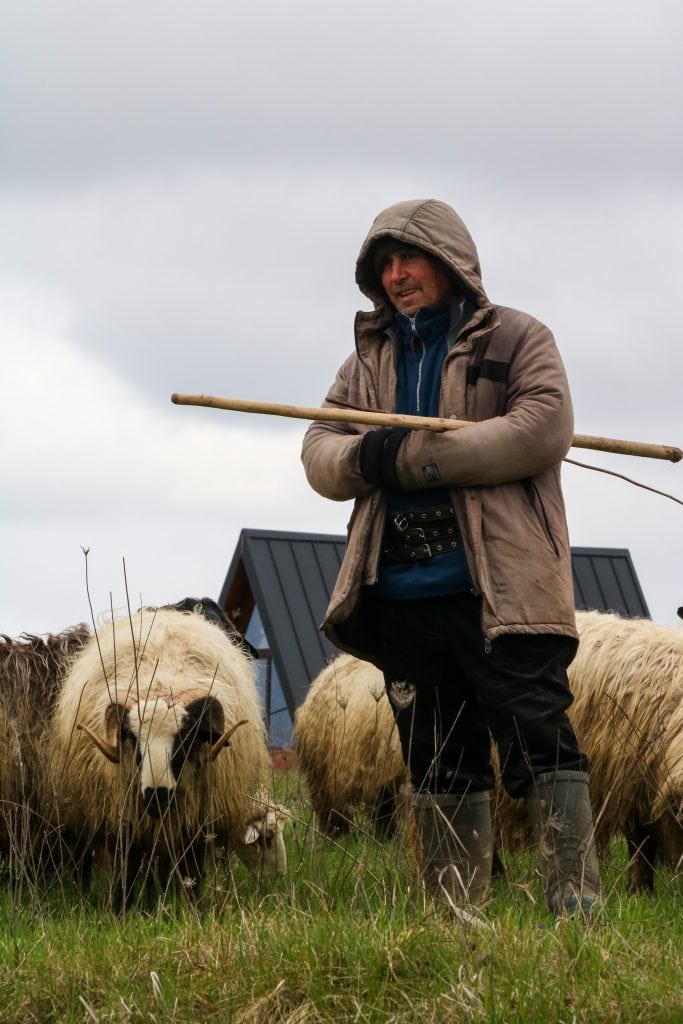
Some of our favourite experiences happened completely unplanned — spotting shepherds moving flocks through the hills, passing horse carts loaded with hay or simply pulling over to admire the scenery.
Keep Some Cash Handy
While cards were widely accepted in Romania, we still found cash useful for smaller parking areas, market stalls and public toilets.
I learned this lesson the hard way in Cluj-Napoca after getting caught without cash at a public toilet where the attendant spoke very little English. Fortunately, she did understand that my situation had become fairly urgent and waved me through anyway.
Not my most dignified travel moment — but memorable.
Google Maps Worked Well for Us
Despite the occasional issue with Apple Maps, we found Google Maps very reliable overall.
We also downloaded offline maps before longer driving days, which gave us some extra reassurance in rural areas with weaker coverage.
Several locals recommended Waze for traffic alerts and road hazards, particularly around Bucharest and larger highways. While I mostly stuck with Google Maps, plenty of drivers seem to swear by Waze.
An Automatic Car Makes Things Much Easier
If you normally drive an automatic at home, I’d strongly recommend renting one in Romania as well.
Between unfamiliar roads, assertive overtaking, busy roundabouts and driving on the opposite side of the car, it helps remove one extra thing to think about.
Don’t Be Put Off by the Horror Stories
Before visiting Romania, I read forum discussions that made driving here sound genuinely terrifying.
That wasn’t our experience at all.
Yes, driving in Romania requires concentration and flexibility, particularly outside the major cities. But overall, we found it very manageable — and absolutely worth it for the freedom it gave us to explore smaller towns, mountain regions and rural areas that would have been difficult to reach otherwise.

Is Renting a Car in Romania Worth It?
For us, absolutely.
While Romania’s trains can work reasonably well between some major cities, having a car gave us access to places and experiences that would have been difficult — or very time-consuming — to reach by public transport. After one slightly confusing train experience later in the trip, we were also very glad we’d chosen to self-drive through most of the country.
Some of our favourite memories from Romania happened between destinations rather than inside them.
We pulled over to photograph shepherds moving flocks through the countryside, stopped beside mountain viewpoints to throw snowballs — a real novelty for a pair of Australians — and drove through villages and landscapes we would never have seen from a train window.
Having a car also made the trip feel far more flexible. If we spotted an interesting church, roadside stall or scenic viewpoint, we could simply stop rather than worrying about train schedules or bus connections.
Would I recommend driving in Romania to everyone? Not necessarily.
But for independent travellers who enjoy road trips and exploring beyond the major cities, I think renting a car is one of the best ways to experience the country.
Final Thoughts on Driving in Romania
Before visiting Romania, I wasn’t entirely sure what to expect from driving here. Online discussions ranged from “completely fine” to stories that made me wonder whether hiring a car was a terrible idea.
In reality, we found driving in Romania far more manageable than we expected.
Yes, there were moments that required concentration — particularly with overtaking, roundabouts and occasional parking confusion — but those challenges were outweighed by the freedom a car gave us to experience the country at our own pace.
Some of our favourite memories happened far away from the major cities: pulling over beside mountain viewpoints, photographing shepherds moving flocks through the countryside, and stumbling across villages and landscapes we never would have seen otherwise.
For independent travellers comfortable with a little flexibility and patience, I think self-driving is one of the best ways to experience Romania.
Planning a Romania Road Trip?
If you’re planning your own Romania itinerary, these guides may also help:
👉 Start here: Romania Travel Guide
👉 Plan your route: Romania Road Trip Itinerary
👉 Explore beyond the cities: Things to Do in Transylvania
👉 Visit traditional Romania: Maramureș Travel Guide
👉 Understand typical costs: Romania Travel Costs Guide
Frequently Asked Questions
Overall, yes. We found driving in Romania far less intimidating than many online discussions suggested. That said, it does require concentration and patience, particularly on rural roads where overtaking behaviour can feel slightly aggressive. Staying alert, avoiding night driving in remote areas and allowing extra travel time all help make the experience much more comfortable.
We didn’t find it especially difficult, but there were a few adjustments. Roundabouts can feel less predictable than in Australia, parking systems sometimes require a bit of interpretation and driving times are often slower than expected. After a couple of days, though, we adjusted quite quickly.
Drivers with licences issued in EU and EEA countries generally do not need an International Driving Permit (IDP) to drive in Romania. Requirements for travellers from countries outside the EU — including Australia, the US and Canada — can be less clear and may vary between rental companies.
Even where an IDP may not be legally mandatory, many rental companies strongly recommend or require one.
At our car pickup in Bucharest, we actually saw another traveller turned away because he couldn’t produce an International Driving Permit, so I certainly wouldn’t risk travelling without one.
For us, absolutely. Having a car made it much easier to explore regions like Transylvania and Maramureș, where many villages, viewpoints and smaller attractions are difficult to reach efficiently by public transport. It also gave us the flexibility to stop whenever something interesting caught our attention.
Road quality varies. Major highways and roads between larger cities were generally much better than we expected, while some rural roads were narrower or rougher. We found the bigger adjustment was adapting to local driving habits rather than the road surfaces themselves.
For us, the biggest challenges were roundabouts, parking systems and adapting to more assertive overtaking behaviour on rural roads. None of these were unmanageable, but they did take a little time to get used to.
We’d recommend avoiding night driving in rural areas where possible. Roads can be poorly lit and you may encounter pedestrians, animals, cyclists or horse carts sharing the road. During daylight hours, we found driving much more enjoyable and far less stressful.