Best Time to Visit Romania – Weather, Festivals and Seasons
Freedom Years Travel contains affiliate links. If you make a purchase using one of the links below, we may receive compensation at no extra cost to you. We only recommend products and services we use and trust. Read our disclaimer for more information.
Planning a trip to Romania? The experience you’ll have depends as much on the season as the destination. With four distinct seasons and diverse landscapes—from mountain villages to vibrant cities—Romania offers something different each time of year. This guide helps you decide when to go, based on weather, festivals, and natural highlights.
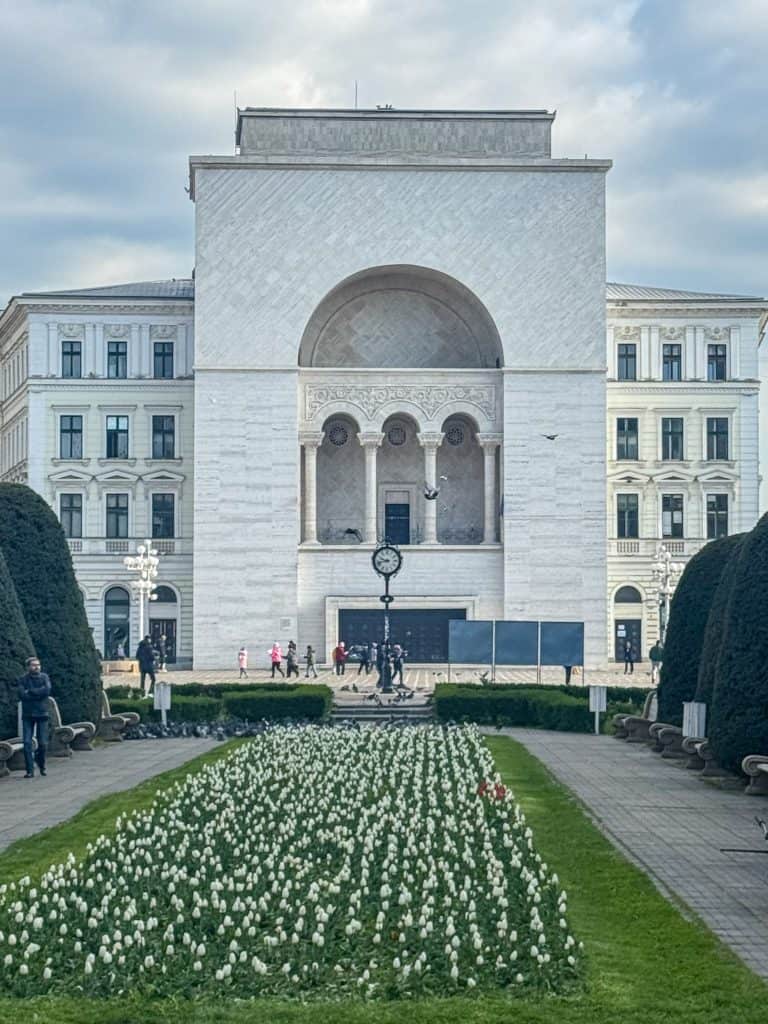
I travelled across the country on a two-week road trip in early April. While we had some beautiful days, we also experienced freezing temperatures and grey skies—along with one unforgettable morning driving through fresh snow in the Maramureș. We also arrived just in time to see Romania preparing for Orthodox Easter. Hand-painted eggs and colourful decorations appeared in shop windows and public squares, especially in Timișoara.
In this post, I’ll walk you through the pros and cons of each season so you can choose the perfect time for your own Romanian adventure.
Overview of Romania’s Climate and Season
Romania has a continental climate, meaning you’ll experience hot summers, cold winters, and more moderate conditions in between. However, the weather can vary significantly by region. The Carpathian Mountains bring snow well into spring, while the southern plains and cities like Bucharest warm up earlier. The Black Sea coast has its own microclimate, making it popular for summer holidays.
Each season brings its own rewards—and challenges. Spring and autumn are transitional, often offering a mix of sunny days and chilly spells. Summer is reliably warm, ideal for outdoor travel, though it can get very hot in urban areas. Winter is cold and snowy, particularly in the mountains and rural north, but it’s also when Romania’s festive traditions shine.
In the sections below, I’ll break down what to expect in each season—weather, festivals, crowds, and highlights—so you can choose the time that best matches your travel style.


Spring in Romania (March to May)
Spring can be a beautiful time to visit Romania—especially if you’re drawn to wildflower meadows, cultural traditions, and fewer tourists. But it’s also the most unpredictable season. While southern cities like Bucharest and Timișoara start to thaw out in March, colder regions such as Transylvania and Maramureș may still be clinging to winter well into April.
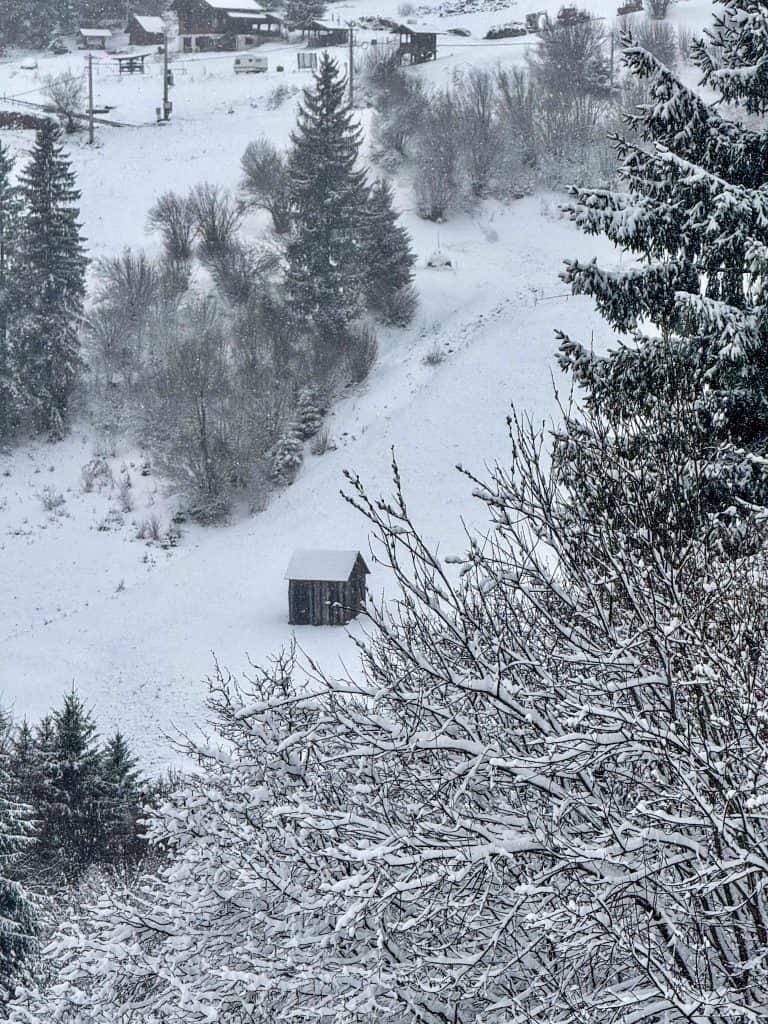
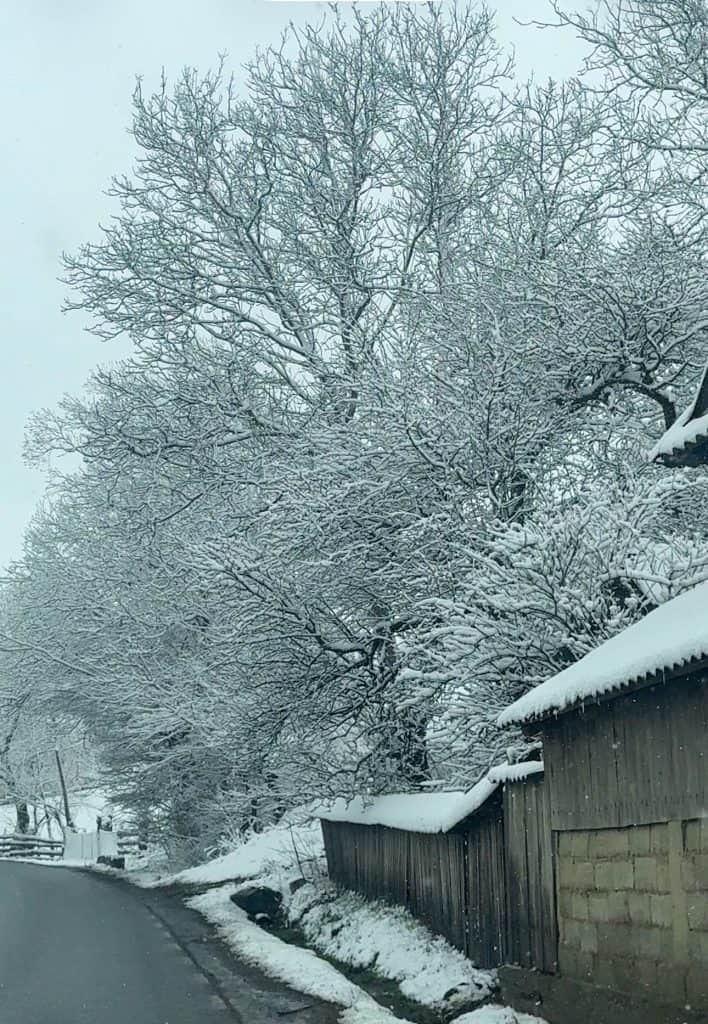
I travelled through Romania on a road trip starting April 1st. We were greeted by a mix of crisp blue skies and dreary grey days, with occasional bursts of sunshine one day and snow flurries the next. One of the most memorable moments came in the Maramureș region, where we unexpectedly woke to find the landscape blanketed in fresh snow. For Australians like us, it was a rare and magical sight—and one that added an unexpected dimension to our trip.
Daytime temperatures: 5–15°C in March, warming to 15–25°C by late May
Evening lows: Can drop close to freezing in March/early April
Daylight hours: ~11 hours in March, up to ~15 hours in May
Conditions: Unpredictable—mix of sunshine, rain, and occasional snow in higher regions
Spring also brings Romania’s most important religious celebration: Orthodox Easter. While the exact date changes each year, it usually falls in April or early May. In the lead-up, we saw hand-painted eggs, braided breads, and colourful decorations appear in town squares and shopfronts—especially in Timișoara. Our guide in Maramureș told us that Easter here is a major event, drawing visitors from across the country to witness centuries-old traditions. If you’re keen to attend, it’s worth planning a year in advance, as local accommodation can book out early.
If you’re planning a spring visit, I’d recommend aiming for late April into May. The weather is generally more settled, flowers begin to bloom across the countryside, and tourist numbers are still low. It’s a sweet spot for travellers who want to experience both nature and culture—without the summer crowds.
🐣 Tips for Planning Easter Travel in Romania
1. Check the Orthodox Easter dates.
Romania celebrates Orthodox Easter, which usually falls one to five weeks after Western Easter. The date changes every year, so check in advance—many traditions and events are tied to the Holy Week and Easter Sunday.
2. Book early for rural areas.
Regions like Maramureș and Bucovina are famous for their deeply traditional Easter celebrations. Locals dress in folk costume, churches host midnight services, and villages are decorated with hand-painted eggs. Accommodation fills quickly—often a year ahead—so plan well in advance.
3. Expect business closures.
On Easter Sunday and the Monday that follows, many shops, museums, and restaurants close or operate on limited hours. Make sure you’ve arranged meals or supplies if you’re staying in smaller towns.
4. Respect local customs.
If you attend Easter services or visit churches, dress modestly and observe local etiquette. Some villages welcome visitors to observe or even take part in certain customs, but it’s best to ask your accommodation or a local guide first.
5. Enjoy the seasonal food.
Look out for traditional Easter dishes like cozonac (sweet walnut bread), lamb stew, and coloured eggs. Many restaurants offer a special Easter menu, especially in family-run guesthouses.

Summer in Romania (June to August)
Summer is the most popular time to visit Romania—and with good reason. Days are long and warm, the countryside is at its most vibrant, and outdoor festivals fill town squares with music, dance, and traditional food. Whether you’re hiking in the Carpathians, exploring medieval towns like Sibiu and Brașov, or road-tripping through Transylvania, summer offers the best conditions for getting around and seeing a lot.
June is an ideal time to visit if you want good weather without the full summer crowds. By July and August, domestic tourism is in full swing, particularly in mountain resorts and along the Black Sea coast. Cities like Bucharest and Cluj-Napoca can get hot—well above 30°C at times—so if you’re not a fan of heat, plan your time around cooler mornings or head for higher altitudes.
Daytime temperatures: 25–35°C in most regions; cooler in the mountains (18–25°C)
Evening lows: 15–20°C, though mountain areas drop lower
Daylight hours: ~15–16 hours in June, slowly decreasing by August
Conditions: Warm and dry in most areas, but can be hot in cities and humid near the coast
This is also the peak season for festivals. From classical music concerts in historic castles to lively village celebrations in the countryside, Romania’s cultural calendar comes alive in summer. If your trip aligns with one of these events, it can be a great way to experience Romanian traditions in a festive, open-air setting.
Just be aware that accommodation prices rise in July and August, and popular spots can get busy—especially on weekends. Booking ahead is essential if you’re travelling in high season, particularly in well-known areas like Transylvania or the Danube Delta.
If you enjoy long days, open roads, and a more energetic travel pace, summer is a great time to explore Romania. Just be ready for the heat, and try to balance city time with cooler escapes to the mountains or countryside.
Peak season also means higher costs, so it’s worth reviewing typical expenses in this Romania budget guide before booking.
☀️Top Summer Festivals in Romania
1. Sighișoara Medieval Festival (Late July)
Held in one of Europe’s best-preserved medieval citadels, this lively weekend festival features jousting tournaments, traditional crafts, street performances, and torchlit parades.
2. Electric Castle (Mid-July)
Set against the dramatic backdrop of Bánffy Castle near Cluj-Napoca, Electric Castle is one of Romania’s biggest music festivals. It combines international headliners with art installations, workshops, and a unique blend of heritage and cutting-edge production.
3. TIFF – Transilvania International Film Festival (Late June – Early July)
Based in Cluj-Napoca, TIFF is Romania’s most prestigious film festival, showcasing a mix of international cinema, Romanian debuts, and open-air screenings in historic locations.
4. Gărâna Jazz Festival (Mid-July)
A more low-key but magical experience, this outdoor jazz festival takes place in the Semenic Mountains. Surrounded by forest and rolling hills, it’s a beautiful escape for music lovers.

Autumn in Romania (September to November)
Autumn is one of the most rewarding times to visit Romania. As the summer crowds thin out, the countryside transforms into a patchwork of gold, red and amber. September still feels summery in many regions, especially in the south, while higher elevations begin to cool and show the first hints of colour.
By October, you’ll start to notice crisp mornings and a bit more weather variability. This is the ideal time for scenic drives, forest walks, and cultural festivals. November tends to be quieter again, as the days shorten and the first signs of winter appear in the mountains.
This is also a great season for food and culture lovers. It’s harvest time in the vineyards of Transylvania and Moldova, and rural guesthouses serve hearty seasonal meals—think wild mushrooms, root vegetables, and fruit preserves. You may come across small village festivals celebrating wine, harvest traditions or regional crafts.
Daytime temperatures: 20–25°C in early September, cooling to 5–15°C by November
Evening lows: 5–12°C in early autumn, near freezing in late autumn
Daylight hours: ~13 hours in September, dropping to ~9 hours in November
Conditions: Comfortable and colourful, but nights get chilly and early snow is possible in the mountains
Another advantage of autumn is the quieter pace. While popular spots like Brașov and Sibiu still welcome visitors, they’re far less crowded than in summer, making it easier to enjoy their historic streets without the tourist rush. Accommodation is usually more affordable too, with less need to book far in advance unless your visit coincides with a public holiday.
If you enjoy crisp air, vibrant foliage, and a slower travel rhythm, autumn in Romania is a wonderful time to explore. Just pack a few warm layers, especially for mornings and evenings—you’ll likely need both a light jacket and something more substantial by November.
Late October brings a wave of Halloween-themed events to Transylvania. Bran Castle, Sighișoara and Brașov often host parties, night tours and costumed gatherings designed to tap into the Dracula legend. While these events can be fun—especially with the dramatic landscapes and autumn colours as a backdrop—they’re also popular and can feel quite commercial. Expect crowds at Bran, especially in the evenings, and book ahead if you’re interested.
Winter in Romania (December to February)
Winter in Romania is cold, crisp, and often beautifully atmospheric—especially if you enjoy snowy landscapes, festive traditions, or winter sports. From early December to late February, temperatures regularly drop below freezing across much of the country, with January typically being the coldest month.
In lowland cities like Bucharest or Timișoara, winter days are cold and often overcast, with noticeably chilly nights. In the mountains—around Brașov, Sinaia, and Maramureș—conditions are much colder, with regular snowfall and a long-lasting winter feel. Snow is common across the mountains and rural north, and higher elevations often stay wintry well into March.
Daytime temperatures: -5 to 5°C in most regions; colder in mountain areas
Evening lows: -10°C or lower in rural and high-altitude areas
Daylight hours: ~8–9 hours in December and January
Conditions: Cold and snowy, especially in the mountains—ideal for winter sports and Christmas markets
Despite the cold, this is a magical time to experience Romania’s festive spirit. December brings beautifully decorated Christmas markets to cities like Sibiu and Cluj-Napoca, while rural regions like Maramureș and Bucovina celebrate the season with centuries-old carols, costumes, and traditions. Orthodox Christmas (January 7) and New Year are particularly special in more traditional areas, where community events take centre stage.
Winter is also Romania’s ski season. The Carpathian resorts—particularly around Sinaia, Poiana Brașov, and Predeal—attract locals and international visitors alike. While facilities vary, the snow conditions are generally reliable, and prices are lower than in more famous European ski destinations.
Travelling in winter does require a bit more planning. Roads in remote areas can be icy or snow-covered, and some rural accommodations may close for the season. However, the rewards are worth it if you’re prepared: fewer crowds, lower prices, and a chance to see a side of Romania that many visitors miss.
If you’re visiting in winter, pack proper cold-weather gear, including a warm coat, thermals, waterproof boots, gloves and a hat—you’ll likely be outdoors more than you think, even if just wandering through a snowy village or exploring a market under twinkling lights.
🎄 Top Christmas Markets in Romania
| City | Typical Dates | Location | Highlights |
|---|---|---|---|
| Sibiu | Late Nov – Jan 2 |
Piața Mare (Main Square) | Alpine-style market, twinkling lights, ice rink, mulled wine, crafts |
| Bucharest | Early Dec – Dec 26 | Constitution Square | Large and festive, live performances, light displays, food and souvenirs |
| Cluj-Napoca | Late Nov – Dec 31 | Union Square | Cosy market, local artisans, traditional foods, folk music performances |
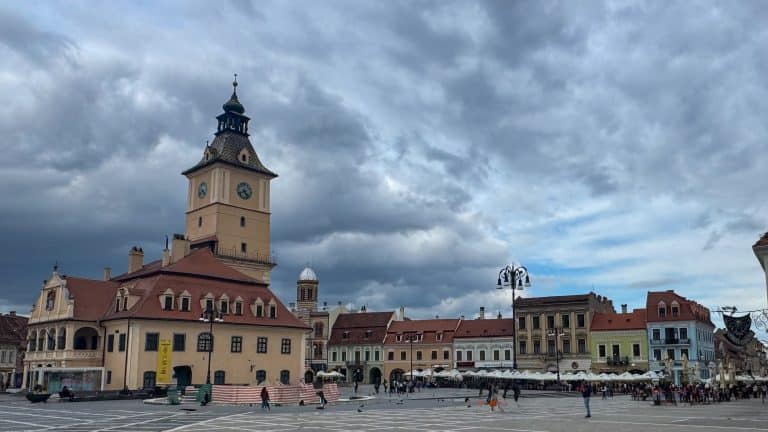
| Brașov | Early Dec – Dec 31 | Council Square | Under the Christmas tree with mountain views and medieval charm |
| Timișoara | Late Nov – Early Jan | Victory Square & Liberty Square | Smaller, relaxed, strong local vibe, traditional decorations |

When Is the Best Time to Visit Romania?
The best time to visit Romania depends on your interests—but for many travellers, the sweet spot falls in late April to early June or September. These shoulder-season months offer a balance of mild weather, blooming or changing landscapes, and fewer tourists than the peak summer period. They’re ideal for road trips, photography, and exploring both cities and countryside without the heat or the crowds.
If you’re trying to align timing with a realistic route, this Romania road trip itinerary shows how to structure your trip across regions.
If you’re drawn to cultural traditions, visiting during Orthodox Easter (usually in April or May) can be incredibly rewarding—especially in regions like Maramureș or Bucovina, where the celebrations are rich in local customs. Just be sure to book accommodation well in advance, as Easter draws visitors from across the country and beyond.
For outdoor adventures and longer days, summer (June to August) is a strong choice. It’s perfect for hiking, scenic drives, and festivals, though some urban areas can get hot, and popular destinations like Brașov or the Black Sea coast see the highest number of visitors. If you’re planning to hike in the Carpathians or other forested areas, keep in mind that Romania has one of the largest brown bear populations in Europe. Encounters are rare, but it’s important to follow local advice—hike in groups, avoid hiking at dawn or dusk and avoid leaving food or waste along trails.
Autumn appeals to those who prefer a slower pace, with harvest festivals, rich seasonal food, and some of the most beautiful landscapes in Romania. Forests in regions like Transylvania and Bucovina turn brilliant shades of gold, rust and red—a spectacular sight for anyone interested in nature or photography.
Winter transforms the country into a snowy wonderland—ideal for Christmas markets, traditional celebrations, and ski breaks. Just be prepared for sub-zero temperatures and possible travel disruptions in more remote areas.
When I travelled through Romania in early April, we caught glimpses of spring—budding trees, Easter preparations, and even a magical snowfall in Maramureș—but we were a few weeks too early for the real bloom. If I were to go again, I’d choose later spring or early autumn, when the forests are at their most colourful and the weather more consistent. Either season gives you a deeper sense of Romania’s natural rhythm and cultural richness—without the summer crowds.
Final Thoughts
When you’re planning a trip to Romania, timing really matters. The seasons shape not only the landscapes but also how much you can see and do, and how easy it is to get around. Whether you’re interested in culture, countryside, or road travel, understanding Romania’s seasonal rhythm helps you get the most out of your visit.
Looking back, I think we were about 2–4 weeks too early for the very best of spring. Flowers were only just starting to bloom in most places, and many towns still had a wintry feel. But every season in Romania has its charm—from wildflower meadows in May to fiery autumn forests and magical Christmas markets.
If you’re still deciding whether Romania is right for you, I’ve shared more about what makes it a worthwhile destination in my post on reasons to visit Romania. From traditional festivals to UNESCO-listed villages, Romania is a place where small details and everyday moments often turn out to be the most memorable—particularly for travellers who like to explore beyond the main sights.

FAQs About the Best Time to Visit Romania
Late April to early June and September are often considered the best times to visit. The weather is mild, crowds are smaller, and the landscapes—whether in bloom or autumn colour—are at their most beautiful.
Yes—especially if you enjoy snow, festive traditions, or winter sports. Cities like Sibiu and Brașov host charming Christmas markets, and ski resorts in the Carpathians offer affordable options for snow lovers.
June to mid-October is ideal for hiking. Trails in the Carpathian Mountains are usually snow-free and accessible, with July and August offering the warmest, driest conditions.
Yes, Romania has one of the largest brown bear populations in Europe. Encounters are rare but possible. If hiking, follow local advice: hike in groups, avoid food waste, and avoid hiking at dawn or dusk.
Romania celebrates Orthodox Easter, usually one to five weeks after Western Easter. It typically falls in April or early May, depending on the year. Celebrations are most vibrant in rural regions like Maramureș and Bucovina.
April is a transitional month. Expect temperatures between 10–20°C, with variable weather—sunny days, rain, and even occasional snow in the mountains. Flowers start blooming by late April.
Some cities, like Bucharest and Cluj-Napoca, can reach 30°C or more in July and August. Mountain areas and rural regions tend to be cooler and more comfortable during summer.
Absolutely. Romania’s Christmas markets, especially in Sibiu, Brașov, and Cluj-Napoca, are festive but less commercial than those in Western Europe. They feature local food, crafts, and a strong traditional atmosphere.
Pack layers. Spring and autumn can be unpredictable—include a light waterproof jacket and warm clothing for cooler evenings. In winter, bring a proper coat, gloves, hat, thermal layers, and waterproof boots.
Romania isn’t as crowded as Western Europe, but popular spots like Brașov, Sibiu, and the Black Sea coast can get busy in July and August, especially on weekends and during local holidays. Booking ahead is a good idea.