Croatia Travel Costs: What Our 10-Day Trip Actually Cost
Freedom Years Travel contains affiliate links. If you make a purchase using one of the links below, we may receive compensation at no extra cost to you. We only recommend products and services we use and trust. Read our disclaimer for more information.
Croatia’s spectacular coastline has made it one of Europe’s most popular summer destinations — but many travellers now ask the same question: is it still good value to visit?
Croatia was once widely considered a budget destination, but its growing popularity has pushed prices steadily upward. If you’re planning a trip, you may be wondering what it actually costs to travel there today — and whether it’s still possible to visit without overspending.
We spent ten days travelling along Croatia’s Dalmatian coast in May 2025, visiting Zadar, Split, Hvar and Dubrovnik. In this post I break down exactly what we spent on accommodation, transport, food and sightseeing to give you a realistic picture of travel costs in Croatia. Our trip followed the same north-south route in this 10-Day Croatia Road Trip Itinerary from Zadar, which gradually works its way down the Dalmatian coast.
This was our second trip to the country. Having travelled more widely through Croatia on a previous visit, this time we focused on the Dalmatian coast — and we did notice that prices had risen slightly compared with our earlier trip.
Our travel style sits firmly in the mid-range: comfortable apartments in central locations, travelling between cities by bus and ferry, eating at a mix of cafés and restaurants, and enjoying a few paid activities such as the Dubrovnik cable car and an ATV excursion in Hvar.
If you travel in a similar way — independent, comfortable and good value rather than ultra-budget or luxury — the numbers below should give you a clear idea of what to expect. I’ll also share a few observations from the trip that may help you keep costs under control while still enjoying Croatia’s remarkable coastline.
How Much Does a Croatia Trip Cost?
| Category | Total Cost (EUR) |
|---|---|
| Accommodation | €1,171 |
| Food & Drink | €1,245 |
| Transport | €248 |
| Activities & Tours | €308 |
| Miscellaneous | €19 |
| Total Trip Cost | €2,991 |
Trip details: 10 nights · Zadar, Split, Hvar and Dubrovnik · Mid-range independent travel
All prices are shown in euros (€), Croatia’s local currency. At the time of travel in May 2025, this was roughly US$3,280 for two people.
Accommodation Costs in Croatia – Guesthouses and Apartments
Accommodation was one of the largest expenses on our Croatia trip. Throughout the journey we stayed in centrally located apartments and guesthouses, which allowed us to walk to most attractions as well as major transport hubs.
Our Zadar apartment was located just beside the main square and only steps from the seaside promenade, making it an excellent base for exploring the old town on foot. In Split and Hvar our accommodation was within easy walking distance of the bus station and ferry port, which meant we avoided paying for taxis or transfers when arriving and departing.
Overall we found apartments and small guesthouses to offer good value along the Dalmatian coast. They usually provide more space than hotels and often place you right in the heart of historic areas. Our apartment in Split was located inside Diocletian’s Palace, while the Dubrovnik apartment felt like a quiet hideaway close to the historic centre. In Hvar we stayed in a small guesthouse with a large window overlooking the sea and a very welcoming host who accommodated our early arrival.
One thing to be aware of in places like Hvar is that accommodation in older areas often involves steep steps or narrow lanes. Our guesthouse required climbing several steps, which was manageable but reinforced the value of packing light, especially if you want to avoid paying for assistance with luggage.
Here is what we paid for accommodation during our trip.
|
Location |
Night |
Type |
Cost per Night |
|
Zadar |
2 |
Apartment |
€113 |
|
Split |
2 |
Apartment – Diocletian’s Palace |
€112 |
|
Hvar |
3 |
Guesthouse – seafront view |
€131 |
|
Dubrovnik |
3 |
Apartment |
€109 |
💰 Average nightly rate: 116 EUR per couple
Interestingly, our accommodation costs remained fairly consistent across the route. Even in Hvar and Dubrovnik — often considered the most expensive stops on the Dalmatian coast — we were able to find centrally located places for roughly €110–€130 per night by travelling in shoulder season and choosing apartments rather than hotels.
It’s also worth noting that we travelled in May, which falls in Croatia’s shoulder season. Prices can increase significantly during the peak summer months of July and August, particularly in destinations such as Hvar and Dubrovnik. In high season, centrally located apartments may cost 30–60% more than the prices we paid.
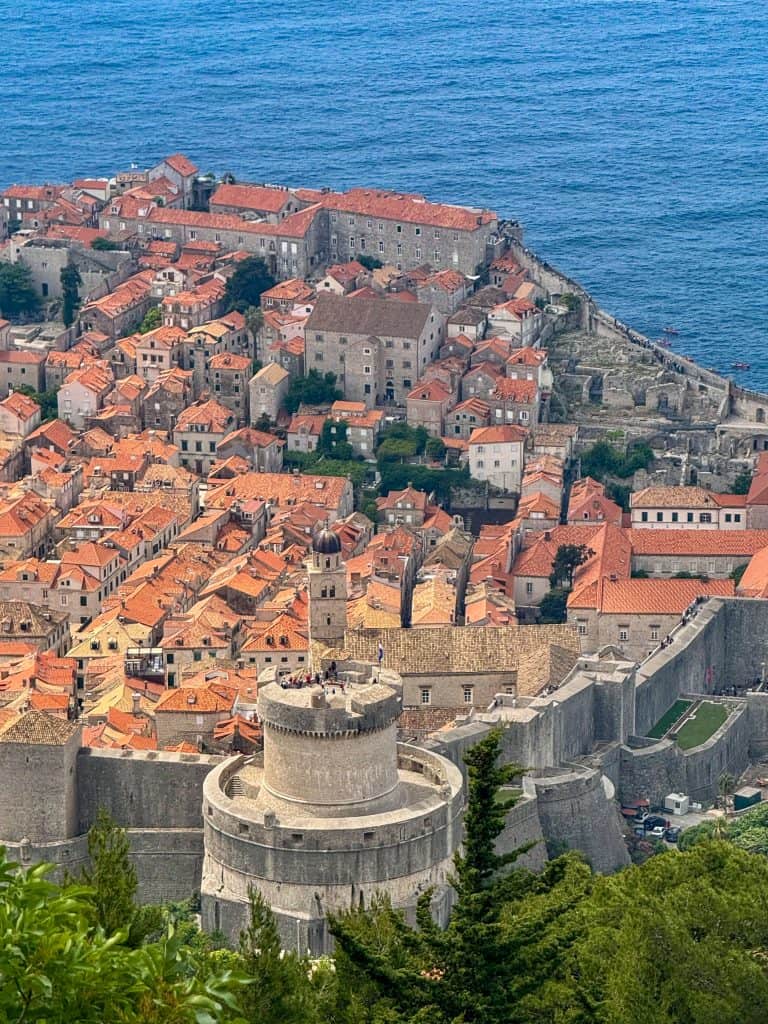
🏠 Where We Stayed – and Would Stay Again
I only recommend places that I’d be happy to return to. Each of these properties offered great locations and amenities for mid-range travellers.
Zadar – Tinel Superior Residence
📍 Located on the Roman Forum and steps from the Riva for easy access to the Sea Organ, Greeting to the Sun and Zadar’s famous sunsets.
🔍 Booking.com rating: 7.8/10
Split – Diocletian’s Studio Apartments
📍 Inside Diocletian’s Palace and a short work to both bus and ferry terminals.
🔍 Booking.com rating: 9.0/10
Hvar – Seafront Rooms
📍 Beautiful Sea Views and Steps from the Harbour of Hvar.
🔍 Booking.com rating: 9.8/10
Transport Costs in Croatia
Transport between destinations on our Croatia trip was straightforward and relatively affordable. Along the Dalmatian coast, the main public transport options are buses on the mainland and ferries between islands, and these were the only forms of transport we needed during the trip.
We flew into Zadar Airport and travelled south through Croatia, following a logical route from Zadar to Split, then across to Hvar and finally to Dubrovnik.
Here is what we paid for intercity transport during the trip.
|
Route |
Tranport Type |
Cost (per person) |
|
Zadar → Split |
Bus |
€25.50 |
|
Split → Hvar |
Ferry |
€50 |
|
Hvar → Dubrovnik |
Ferry |
€96 |
These routes were easy to book online in advance. The Zadar to Split bus was operated by FlixBus and took around three hours, while the ferries were booked through Ferryhopper.
Because our accommodation in Split and Hvar was within walking distance of the ferry port and bus station, we were able to avoid paying for taxis when arriving and departing.
The only local transfers we needed were airport transfers. In Dubrovnik we paid about €53 for a private transfer to the airport. When arriving in Zadar, our accommodation provider organised a transfer from the ferry terminal for around €30, which is similar to the price of a taxi or rideshare from the airport to the old town.
Overall, transport accounted for a relatively small portion of our travel budget compared with accommodation and food.
🚍 Total transport spend per person: €171.50 (~$185 USD)
📅 Daily transport average: about €17 per day (~$18 USD)

Food and Drink Costs in Croatia
Food and drink made up a significant part of our travel spending in Croatia. Along the Dalmatian coast there is a wide range of dining options, from inexpensive bakeries and casual cafés to traditional konobas (local taverns) and waterfront restaurants.
During our trip we typically had bakery breakfasts or groceries in the morning, lighter lunches at cafés, and restaurant dinners in the evening. This mix helped keep costs reasonable while still allowing us to enjoy some memorable meals.
Typical Food and Drink Prices in Croatia
Prices vary depending on location, with destinations such as Hvar and Dubrovnik generally more expensive than cities further north like Zadar or Split.
Based on what we observed during the trip, these were typical prices for common items.
|
Item |
Typical Price |
|
Coffee |
€2.50 – €3.50 |
|
Restaurant Beer (0.5L) |
€5 – €7 |
|
Restaurant Wine (glass) |
€6 – €7.50 |
|
Gelato |
€2.50 – €3.50 per scoop |
|
Pizza Slices |
~€3 each |
|
Bakery Breakfast for two |
€10 – €20 |
|
Lunch for two |
€45 – €70 |
|
Dinner for two |
€60 – €100 |
Supermarkets were inexpensive across the Dalmatian coast, with beer, soft drinks and water typically costing €1–€2.
Example Meal Prices From Our Trip
To give a sense of real-world prices, here are some examples of what we paid during the trip.
|
Meal |
Location |
Price |
|
Gelato for two |
Zadar |
~€6–€7 |
|
Lunch for two |
Zadar |
€47–€70 |
|
Lunch for two |
Split |
€48–€53 |
|
Lunch for two |
Hvar |
€36–€71 |
|
Dinner for two |
Hvar |
~€60 |
|
Dinner for two (top-rated restaurant) |
Hvar |
~€104 |
|
Lunch for two |
Dubrovnik |
€90–€104 |
|
Traditional peka dinner for two |
Dubrovnik |
~€99 |
Prices were fairly consistent in Zadar and Split, while meals in Dubrovnik were noticeably more expensive. Hvar fell somewhere in between, although prices varied depending on location — lunch in the smaller town of Stari Grad was significantly cheaper than in Hvar Town.
A Memorable Dubrovnik Dinner
One of our most memorable meals was a traditional peka dinner just outside the gates of Dubrovnik’s old town. Peka is a classic Croatian dish where meat and vegetables are slow-cooked under a heavy metal bell over hot coals.
Our lamb peka cost just under €100 for two people, which might initially seem expensive. However lamb is also eye-wateringly expensive in Australia — so the price didn’t feel unreasonable for a beautifully prepared traditional dish.
The restaurant was family-run and overlooked the water, making it one of the highlights of our meals in Croatia.
Total Food and Drink Spending
During our ten-night trip we spent:
|
Category |
Total Cost |
|
Restaurants & Bars |
€957 |
|
Groceries & Bakeries |
€288 |
In total, we spent €1,245 on food and drinks.
Average Food Budget
This works out to approximately:
🍽️ €62 per person per day
That figure includes restaurant meals, casual lunches, drinks and groceries. As expected, we spent more in Hvar and Dubrovnik, where waterfront restaurants and tourist demand push prices higher. As is the case anywhere, if you want to dine a prime location, you will pay premium prices.
Overall we found food prices along Croatia’s Dalmatian coast to be moderate by Mediterranean standards. Meals were generally cheaper than in major Italian tourist cities, but similar to prices in popular Greek destinations. As expected, Dubrovnik tended to be the most expensive place we visited.
Activities and Sightseeing in Croatia
Compared with accommodation and food, activities and sightseeing made up a relatively small portion of our overall travel budget. Many of the highlights of Croatia — historic streets, coastal views and island scenery — are free to enjoy simply by walking around.
That said, we did include a few paid experiences during the trip, particularly in Hvar and Dubrovnik.
|
Activity |
Location |
Cost |
|
Walking Tour |
Split |
€32 |
|
Bell Tower |
Zadar |
€8 |
|
Walking Tour |
Zadar |
€20 |
|
ATV Hire |
Hvar |
€118 |
|
Kayak Hire |
Hvar |
€73 |
|
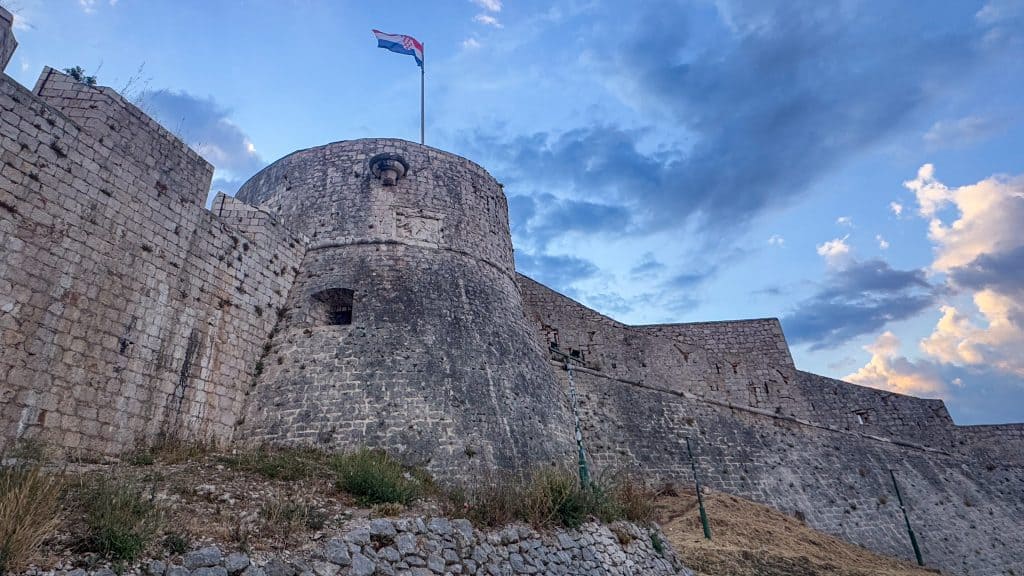
Fort Lovrijenac |
Dubrovnik |
€32 |
|
Cable Car – one way |
Dubrovnik |
€32 |
|
Homeland War Museum |
Dubrovnik |
€10 |
🎟️ In total we spent €325 on tours and activities, which works out to roughly €16 per person per day during our trip.
In reality, this spending was concentrated in just a few days. The largest costs were activity rentals in Hvar, where we hired an ATV to explore the island and kayaks to enjoy the coastline.
What We Learned About Sightseeing Costs
One interesting thing about travelling in Croatia is that many of the most enjoyable experiences cost very little. Walking through historic old towns such as Zadar, Split and Dubrovnik, swimming along the coastline or exploring island villages often requires no entrance fees at all.
However, some organised activities and major attractions are priced closer to Western European levels, particularly in popular destinations. For example, the Dubrovnik cable car felt relatively expensive for the short ride, although it does provide excellent views over the old town and the Adriatic. After hiking up Mount Srđ, we chose to take the cable car down rather than walk back, and the price was comparable to what we might have paid for a taxi or rideshare.
Similarly, the cost of renting an ATV on Hvar to explore the island was similar to what you might expect to pay for a similar activity in Western Europe. But worth every cent – this was the highlight of our stay on Hvar.
Overall, though, because so many of Croatia’s highlights are natural scenery and historic streets, sightseeing costs can remain fairly modest unless you choose to add organised activities.

Is Croatia Expensive to Visit?
Croatia is no longer the bargain destination it was often described as a decade ago. Along the Dalmatian coast in particular, rising popularity has pushed prices upward — especially in well-known destinations such as Hvar and Dubrovnik.
However, based on our ten-night trip in May 2025, we still found Croatia to offer reasonable value for a Mediterranean destination, particularly when travelling outside the peak summer months.
Our Overall Travel Budget
Over ten nights we spent €2,991 in total for two people, which worked out to roughly:
💶 €299 per day for two people
💶 €150 per person per day
These figures reflect a mid-range independent trip along the Dalmatian coast, visiting Zadar, Split, Hvar and Dubrovnik.
Accommodation and food accounted for the majority of our spending, while transport and activities made up a much smaller share of the overall budget.
Where Prices Tend to Be Higher
One pattern we noticed throughout the journey was that prices generally increased as we travelled south along the Dalmatian coast. Zadar and Split felt reasonably priced, while Hvar and Dubrovnik were noticeably more expensive, particularly for restaurants and centrally located accommodation.
Ways to Keep Costs Reasonable
Even in Croatia’s most popular destinations, there are still several ways to keep costs under control:
- Travel during the shoulder season rather than July and August.
- Choose apartments or guesthouses instead of hotels.
- Stay within walking distance of ferry ports and bus stations to avoid transfers.
- Mix restaurant meals with bakeries and supermarkets.
Final Thoughts
Overall, Croatia sits somewhere in the middle of the Mediterranean price spectrum. It is generally cheaper than heavily touristed parts of Italy, but similar to prices in popular Greek destinations.
For travellers interested in historic towns, island hopping and spectacular coastal scenery, Croatia still offers excellent experiences for a moderate travel budget.
Planning a Trip to Croatia?
If you’re planning a similar trip along Croatia’s Dalmatian coast, these itinerary guides show exactly how we structured the route.
👉10-Day Croatia Road Trip Itinerary from Zadar (North to South Route)
A relaxed Dalmatian coast route from Zadar to Dubrovnik, including Plitvice Lakes, Split and a short island stay.
👉 14 Day Croatia Road Trip Itinerary from Zagreb to Dubrovnik
A longer Croatia road trip combining Zagreb, the Istrian coast, Plitvice Lakes, Split and Dubrovnik.

FAQs for Croatia Travel Costs
Croatia is no longer the budget destination it once was, particularly along the Dalmatian coast. However, it still offers reasonable value compared with many Mediterranean destinations. During our ten-night trip in 2025, we spent about €150 per person per day, including accommodation, food, transport and activities.
Prices tend to be higher in popular destinations such as Hvar and Dubrovnik, while cities like Zadar and Split often offer better value.
For mid-range travel, a reasonable daily budget is around €120–€180 per person per day, including accommodation, meals, transport and some activities.
Budget travellers can spend less by staying in hostels or apartments and eating at bakeries or supermarkets, while luxury travellers can easily spend significantly more in Croatia’s most popular coastal destinations.
Yes, Dubrovnik is generally the most expensive destination in Croatia. During our trip we found that restaurant meals and accommodation were noticeably higher than in Zadar or Split.
However, visiting outside the peak summer months and choosing accommodation slightly outside the old town can help keep costs more manageable.
Food prices in Croatia are moderate by Mediterranean standards. During our trip we typically paid:
€5–€7 for a beer in restaurants
€6–€7.50 for a glass of wine
€45–€70 for lunch for two
€60–€100 for dinner for two
Supermarkets and bakeries offer inexpensive alternatives, with drinks often costing €1–€2.
The most affordable time to visit Croatia is during the shoulder seasons of May–June and September–October. Accommodation prices are lower, popular destinations are less crowded, and the weather is still warm enough to enjoy the coast.
Peak summer months (July and August) tend to have the highest prices and the largest crowds.