Travel Europe Affordably After 50: Smart Tips That Really Work
Freedom Years Travel contains affiliate links. If you make a purchase using one of the links below, we may receive compensation at no extra cost to you. We only recommend products and services we use and trust. Read our disclaimer for more information.
There’s something endlessly alluring about Europe. The history, the food, the architecture, the ease of hopping from one culture to the next—it’s no surprise that many of us dream of exploring it in depth, especially once we have the time to travel more slowly.
For travellers over 50, the big question often becomes how to do it. Package tours promise simplicity, yet many tend to move at a relentless pace, with early starts, rushed sightseeing, and little freedom to linger. Of course it is possible to find tour groups with smaller numbers and a more relaxed pace but the price of these takes a big bite into your budget.
Independent travel, on the other hand, lets you set your own rhythm, enjoy long lunches, and spend more time in the places that genuinely interest you – without breaking the bank.
That’s where this guide comes in. After years of travelling across Europe—from affordable destinations like Poland and Romania to the pricier destinations such as London—I’ve learned what actually makes a difference to your budget. This post is for travellers over 50 who want comfort and flexibility, but still care about value; who love good food and cultural depth, but don’t want unnecessary travel costs eating into the fun.
In the sections that follow, you’ll find practical, proven strategies to travel Europe affordably without compromising the things that make the journey memorable. Whether you’re planning your first big European trip or refining your next one, this guide will help you make the most of your time—and your budget.

Best Time to Visit Europe for Affordable Travel
One of the easiest ways to keep European travel affordable is choosing the right season. Summer might look tempting on paper, but it’s the most expensive and crowded time to visit. Accommodation prices surge, popular sights book out weeks ahead, and the heat—especially in southern Europe—can make sightseeing uncomfortable. If you’re hoping for relaxed days of exploring rather than battling queues and high temperatures, choose the shoulder seasons instead.
Spring and autumn offer the best balance of cost, comfort, and atmosphere. April to June brings mild weather, long daylight hours, and lower prices before the summer rush. September and October are equally appealing, especially in Central and Southern Europe, where the heat eases off and the hordes subside. Travelling outside peak season also gives you more flexibility: you can book accommodation closer to your dates, choose better rooms for less, and enjoy major landmarks with smaller crowds.
Winter can also be excellent value, particularly in Central and Eastern Europe, though daylight hours are shorter and some attractions operate on reduced schedules. Still, if you enjoy Christmas markets, cosy cafés, and museums, it’s a season worth considering.
In short, timing your trip well not only stretches your budget but also makes the entire experience more enjoyable.
Affordable European Destinations Where Your Money Goes Further
Europe isn’t a one-price-fits-all destination, and choosing the right countries can make a noticeable difference to your budget. Many places deliver the classic European experience—beautiful old towns, layered history, excellent food—without the high price tag of Switzerland, Scandinavia, or the UK. Countries such as Poland, Romania, Hungary, Portugal, and the Baltic states offer comfortable accommodation, great meals, and memorable cultural experiences at far more practical day-to-day costs.
And smaller cities offer the chance to enjoy the same level of beauty and history without the big-city pressure. Some of my most rewarding travel moments have come from venturing outside the big-name cities. Toruń in Poland, Zadar in Croatia, and Sighișoara in Romania were every bit as enjoyable as their larger counterparts, with a calmer atmosphere and far better value.
Planning your route around these affordable destinations—and mixing in a few higher-cost cities when it makes sense—lets you enjoy Europe’s full variety without the stress of watching every euro.
For more ideas on making the most of your visit, check out my 10-day itinerary in Poland or Romania Road Trip guide. For a detailed look at daily costs, check out my posts on Poland Travel Costs and Romania Travel Budget.
🗺️ Europe’s Most Affordable (and Mid-Range) Destinations
These countries offer excellent value—from genuinely budget-friendly to comfortably mid-range—ideal for travellers who want quality without overspending:
- Poland: Beautiful historic towns, great regional trains, and well-priced mid-range accommodation.
- Romania: Medieval centres, scenic drives, and some of the lowest daily costs in Europe.
- Hungary: Grand boulevards, thermal baths, and very reasonable hotel and dining prices.
- Portugal: Coastal scenery, friendly cities, and good value for fresh seafood and local wine.
- Baltic States: Walkable capitals, creative cafés, and low-cost cultural experiences.
- Czechia: Excellent value beyond Prague, especially in towns like Olomouc and České Budějovice.
- The Balkans: Serbia, Bulgaria, Albania, and Croatia all offer affordable options; look beyond major tourist hotspots for the best value.
- Slovenia: A mid-range option and a brilliant alpine alternative to Austria or Switzerland, with cleaner cities and stunning lakes at a fraction of the cost.

Smart Ways to Get Around Europe: Trains, Buses, Flights and Car Hire
The way you move around Europe has a big impact on both cost and comfort. Trains, buses, budget flights, and local transport all have their place—you just need to know when each option makes sense. Many of us remember relying on Eurail passes in our younger years, but they’re not always the best value today. In much of Central Europe, buying simple point-to-point tickets is often far cheaper, and the regional networks are reliable and easy to use.
Packing light is one of the easiest ways to make your travels smoother. A mid-size suitcase is usually plenty—even for a longer European trip. (I’m looking at you, fellow Australians, who often turn up with those giant cases). But travelling lighter pays off quickly: cheaper flights, easier train transfers, and far less stress navigating cobbled streets or stair-heavy metro stations. Leave the endless “Instagram outfits” to the younger travellers and make peace with repeating the same comfortable pieces. Your back, your budget, and every railway staircase in Europe will thank you.
Trains: Fast, Comfortable and City-Centre to City-Centre
Trains remain one of the most enjoyable ways to get around Europe. They often drop you right in the heart of the city, often within walking distance of your accommodation—saving both time and the cost of airport transfers. With a little planning, you can secure excellent fares by booking in advance on national rail websites.
In many countries, first-class fares aren’t dramatically more expensive than second class, yet the extra comfort—wider seats, quieter carriages, and sometimes at-seat service—can make a full-day journey far more pleasant.
For a deeper look at train travel in Central Europe, including practical tips and cost-saving strategies, check out my Travelling Poland by Train guide.
Buses: A Surprisingly Efficient Alternative
For some cross-border routes, buses are both quicker and cheaper than trains. FlixBus is the most widespread operator, offering reliable connections across the continent. We found buses particularly useful when travelling into and out of Poland, where journey times were often similar to the train but at a noticeably lower price.
The trade-off is comfort—seats tend to be narrower and onboard facilities vary—but for short to mid-length journeys, buses can be a smart way to trim costs without sacrificing too much time.
Budget Airlines: Great Deals With the Right Strategy
Low-cost carriers like Ryanair and Wizz Air can make longer distances surprisingly affordable—but it pays to be methodical. Instead of searching city-to-city, experiment with the airline’s app or “Everywhere” tools to find the cheapest entry point for your region.
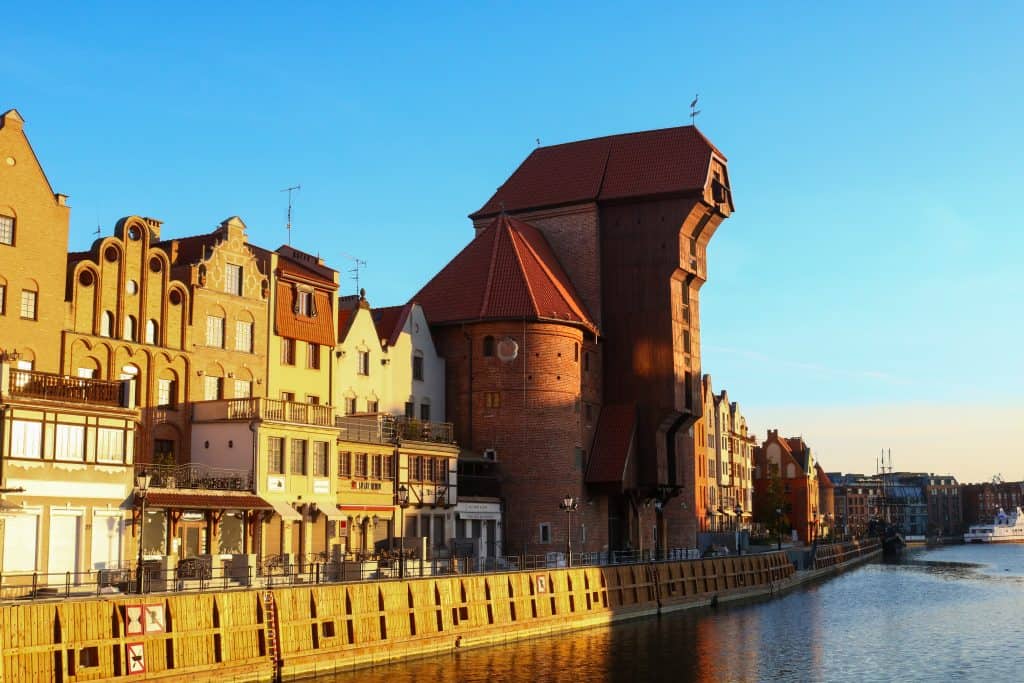
For example, Gdańsk was the most budget-friendly gateway into Poland from London on my last trip, while Zadar offered the best value for entering Croatia.
Always factor in luggage fees, airport transfers, and extra time for security—sometimes a train is only slightly more expensive but far more convenient.
Local Public Transport: Easy, Affordable and Widely Used
Once you’re in a city, local networks—trams, buses, trolleybuses and metro systems—are efficient and inexpensive. Cities like Prague, Vienna, Warsaw and Budapest have excellent networks that make it easy to avoid taxis altogether. Multi-day passes can be especially good value.
Driving: Best for Rural Regions
Hiring a car can open up areas where trains and buses don’t reach—think Slovenia’s lakes and wine regions, Croatia’s national parks, or Romania’s countryside. For example, on our Romania road trip, having a car made it easy to explore fortified towns and mountain villages at our own pace.
A few practical tips: parking in historic centres is often limited or expensive, and medieval streets can be tricky to navigate. For most big cities, it’s easier to pick up the car once you’re ready to explore the surrounding regions.
🚗 My Go-To for European Car Hire
Booking a hire car can be stressful, but Discover Cars has become my favourite way to arrange rentals in Europe. I’ve used them six times now, and their platform makes comparing prices, choosing insurance options, and picking up the car hassle-free.

Comfortable and Affordable European Stays: Smart Tips for Travellers Over 50
Where you stay can make or break a European trip—especially if you value comfort, convenience, and affordability. For travellers over 50, a centrally located hotel or apartment often pays for itself in saved transport time, ease of sightseeing, and the option to rest mid-day before heading back out. While budget options exist, don’t assume that “cheaper” always means better value. Sometimes spending a little extra for a hotel with an elevator, reliable heating or air conditioning, and straightforward check-in makes a big difference to your experience.
Packing light opens up an even wider range of affordable and authentic places—suddenly those charming apartments up a couple of flights of stairs are entirely manageable!
Apartments are especially useful for longer stays or for travellers who enjoy a bit of independence. Even just having the option to prepare your own breakfast can save money and give you a good start to the day. On our trips, we’d usually pick up supplies from local supermarkets or convenience stores—high-protein yoghurts, bread, cheese, and fresh fruit—ensuring a light but nourishing breakfast before heading out for sightseeing.
Look for apartments with a refrigerator, kettle, and basic kitchen facilities, which make this easy and convenient. An occasional washing machine can be a lifesaver—pack less, wash more, and keep your suitcase comfortably mid-size. Many now offer hotel-style check-in, so you don’t have to worry about complicated key collection or awkward timings.
When booking, compare prices across multiple platforms and read recent reviews carefully. Location is key: staying near the city centre or within walking distance of public transport lets you explore at your own pace, enjoy early mornings and evening city lights, and skip expensive taxis. Occasionally, a slightly higher price for a central spot or first-floor elevator access is worth the investment—comfort and convenience are part of the real value.
In short, choose accommodation that makes your days easier, not just cheaper. The right place lets you enjoy Europe’s history, food, and culture without constantly worrying about logistics.
For well-located, comfortable options in Central Europe, see my guides for Gdańsk, Warsaw, Kraków, and Bucharest.
🏨 Compare Stays the Easy Way
I always compare prices across platforms to find the best value. TripAdvisor is my go-to for checking recent reviews, comparing options, and spotting hidden gems—all in one place. For apartments, also consider platforms with hotel-style check-in for extra convenience.
Eating Well in Europe on a Budget – Practical Tips for Savvy Travellers
One of the great pleasures of travelling in Europe is the food—and eating well doesn’t need to be expensive. It’s a far cry from my backpacking days, when dinner was often a slab of Camembert and a baguette eaten on a park bench! These days I’d much rather settle into a beautiful café or a restaurant and enjoy regional dishes made from local ingredients.
Where you choose to eat makes a big difference to both cost and experience. Restaurants directly on the main squares are usually the most expensive—you’re often paying for the view rather than the meal. A few streets back, you’ll usually find better prices and just as good (if not better) food. That said, sometimes the setting is half the experience. I’ll happily pay a small premium now and then for a spot where I can sit back, relax and watch the world go by.
Local markets and supermarkets are also reliable ways to keep food costs under control. Markets offer seasonal fruit, fresh bread, cheeses and deli items that make an easy lunch or simple picnic. And Europe’s supermarkets are far better than many travellers expect. We often relied on high-protein drinking yoghurts for quick breakfasts, and Slovenia surprised us with excellent ready-made sandwiches that tasted as fresh as anything from a café.
A practical strategy is to make lunch your main meal. Many restaurants offer set menus or daily specials at lunchtime for much less than dinner, and you still get to try the regional dishes without the evening markup. Dinner can then be something lighter from a bakery, supermarket or café.
Bakeries are another consistently good-value option across Europe. Whether it’s Poland’s sweet pastries, Germany’s rye breads or Portugal’s custard tarts, bakeries are inexpensive, high quality and perfect for breakfast or an easy evening meal.
Your accommodation can also help keep food spending in check. A hotel with a generous breakfast included sets you up for much of the day, while apartments make it easy to self-cater simple morning meals. We usually pick up supplies from a convenience store—fruit, yoghurt and something protein-rich—to start the day well without relying on cafés.
Finally, food tours are well worth considering. A good guide can introduce you to local dishes, explain regional food traditions and point out neighbourhood spots you might not discover on your own. They often become a highlight of the trip and make choosing where to eat far easier for the rest of your stay. One of my standouts was in coastal Poland; my Gdańsk food tour delivered exactly the mix of insight and flavour that helps you feel grounded in a new city.
How to Plan a Slower, Smarter European Itinerary After 50
A common shift for many of us travelling in our 50s and beyond is letting go of the old “six cities in ten days” approach. Europe deserves a slower pace. Staying longer in each destination reduces transport costs and gives you time to wander neighbourhoods, enjoy cafés, browse markets and notice the details that make a city memorable.
A slower pace also helps you avoid one of Europe’s quiet budget traps: weekend price surges. With so many cheap flights across the continent, cities like Prague, Kraków, Budapest and Lisbon can fill quickly with Friday–Saturday arrivals, often a younger party crowd on quick breaks. Hotel rates climb with the demand. When you’re not racing through a checklist, you can simply shift to a smaller or less touristy town by Friday evening and skip the spike altogether.
Taking your time is also easier on your energy. Early trains, long walking days and cobblestones can be tiring, especially if you’re juggling luggage on public transport. Allowing at least two or three full days in most cities gives you space to settle in rather than sprint.
Slow travel also gives you the freedom to dive deeper into whatever interests you. For me, that often means history—smaller museums, neighbourhood walks, and places that rarely make the “top 10” lists. Whether your interest is food, nature, art or architecture, a slower itinerary makes room for those experiences that fast-paced trips always seem to squeeze out.
Travelling affordably isn’t just about saving money—it’s about building an itinerary that lets you actually enjoy the places you’ve come to see.

Free and Low-Cost Things to Do in Europe: Smart Tips for Travellers Over 50
Europe is full of excellent museums, parks, viewpoints, and walking routes that don’t cost a cent, and many rewarding experiences fall into this category. While many museums offer free entry days, it’s worth skipping the biggest, most popular institutions on those dates. The crowds can be overwhelming, and you may enjoy them far more on a quieter, paid-entry day. Instead, use free days to explore smaller or more specialist museums where the experience feels more relaxed.
Free walking tours are another excellent way to get your bearings, especially early in a trip. They’re tip-based rather than truly free—around €10 per person is a reasonable minimum—but the value is unbeatable. The guides are usually energetic locals who know the city inside out and can help you understand neighbourhoods, restaurant areas, transport quirks and places worth returning to later.
Some of Europe’s memorable moments, though, come from its simple, open spaces. City parks, riverside paths, local markets and hilltop viewpoints offer hours of enjoyment without adding anything to your budget.
🧭 Try a Free Walking Tour with Guruwalk
One of the easiest ways to get your bearings in a new city is a free walking tour. Guruwalk connects travellers with knowledgeable local guides on a tip-based model — you simply pay what you feel the tour is worth, with around €10 per person as a sensible minimum. Guides provide insights, local tips, and a great introduction to the neighbourhoods. Check out Guruwalk tours here.
Smart Splurges on European Travel: Food Tours, Private Transfers and More
Travel on a budget doesn’t mean avoiding every paid experience. In fact, knowing where to invest a little extra can deepen your understanding of a place and often save time, energy, or frustration. I tend to allocate my budget toward experiences that offer strong cultural insight or practical benefits.
Food tours are one of the areas where I consistently feel the extra cost is worthwhile. I’ve done half a dozen across Europe, and every one has been excellent. Sometimes you end up with what is essentially a private tour, which is ideal if you enjoy asking questions and learning as much as you want from a local guide. Other times you’re part of a small group, and that can be just as enjoyable. Travellers of different ages and nationalities come together, swapping stories over tastings.
Small-group, specialist tours are another area where spending a bit more usually pays off. A guide who truly knows their subject brings context you’d never pick up on your own. These tours typically move at a comfortable pace, avoid the large crowds, and often include skip-the-line access, which can be invaluable in peak season.
I also consider private airport transfers one of life’s small travel luxuries that genuinely reduce stress. Yes, I could research the local bus, metro, or train, but after many years of travel I’m comfortable paying for the simplicity of having a local meet us on arrival. It’s an easy, efficient way to start a trip—no hunting for ticket machines, deciphering timetables, or managing luggage on public transport after a long flight.
Transport upgrades fall into the same category. On longer journeys, paying a little extra for a faster train or a more comfortable seat can make the day run far more smoothly. I tend to prioritise comfort and efficiency when it directly affects my energy levels for sightseeing.
By choosing a few paid experiences with care, you can enjoy richer, more memorable travel without losing control of your overall budget.
✈️ Arrive Stress-Free with a Private Airport Pickup
Skip the queues, maps, and luggage hassles. A private airport transfer means a local driver meets you at arrivals and takes you straight to your accommodation. A small investment for a smooth, relaxed start to your trip. Reserve your transfer here.

Smart Money Strategies and Safety Tips for European Travel
Handling money wisely and staying safe go hand in hand when travelling in Europe. A few simple strategies can save both stress and unnecessary costs.
One key tip is to avoid dynamic currency conversion. Many card machines offer to convert your purchase into your home currency, but the exchange rate is usually poor. Always choose to pay in the local currency—your card provider’s rate is almost always better.
For card payments, I find a Wise card one of the most cost-effective options. It generally provides better exchange rates than standard bank credit cards or traditional travel money cards, and most European destinations now accept tap-and-go payments. The main exception is car hire, which usually requires a physical credit card for the deposit. Cash withdrawals on Wise are limited, but using ATMs when needed still gives you stronger rates than many banks or currency kiosks.
It’s also worth arranging some local cash before you leave home, especially for less common currencies such as the Polish Zloty or Czech Koruna. We used a boutique currency exchange agency and saved noticeably compared with larger, mainstream providers. Having a small cash reserve makes arrivals smoother, covers small purchases, and avoids the poor airport exchange rates.
Some credit cards include travel insurance, which is worth checking—but remember that you usually need to register each country you plan to visit before you leave. If you’re taking out dedicated travel insurance, look for policies that cover delays, cancellations, medical emergencies, and pre-existing conditions. It’s not about expecting problems; it’s simply a practical safeguard against unexpected expenses.
Safety habits align neatly with your money strategy. Keep a small emergency cash stash separate from your main wallet, carry photocopies of important documents, and avoid leaving valuables unattended. One simple but often overlooked step is keeping hard copies or photos of your tickets and barcodes in case of connectivity issues or lost access to apps—this alone can prevent a lot of last-minute stress.
By combining smart money strategies with practical safety habits, you can travel Europe with confidence, comfort, and peace of mind.
Wrapping Up: Travel Smart, Enjoy Europe, and Stay Within Budget
Travelling Europe affordably after 50 doesn’t mean sacrificing comfort, experiences, or good food. With a few practical strategies—choosing destinations where your money goes further, planning a slower-paced itinerary, using smart transport and accommodation options, and combining free or low-cost activities with selective splurges—you can explore more while spending less.
Being mindful about money and safety, from using a Wise card and carrying a small cash reserve to securing travel insurance and keeping copies of tickets, ensures your trip runs smoothly and gives you peace of mind.
The key is balance: spend thoughtfully where it counts, save where it makes sense, and structure your trip so you can truly enjoy each destination. Europe has so much to offer, from quiet cobblestone streets to iconic landmarks, and with the right planning, you can experience it all without breaking the bank—or draining your energy.

FAQs for Travelling Europe Affordably After 50
Poland, Romania, Czechia, Hungary and the Balkans often stretch your budget further while offering rich cultural experiences.
Travel in spring or autumn to avoid peak-season prices, enjoy smaller crowds, and still experience pleasant weather.
Mix trains, buses, and budget airlines. Pack light, book early, and consider first-class train tickets for extra comfort on longer journeys.
Central accommodation may cost more but saves time, transport costs, and gives easy access to attractions for early mornings and evenings.
Focus on local bakeries, markets, and lunchtime set menus. Occasionally splurge on a food tour for orientation and insider tips.
Use a Wise card for tap-and-go payments, keep a small cash reserve for markets and smaller towns, and carry a backup credit card for emergencies.
Yes. Choose coverage that includes medical emergencies, cancellations, delays, and pre-existing conditions. Some credit cards provide insurance if countries are registered beforehand.
Plan a relaxed itinerary, avoid peak weekend crowds, and mix free and paid activities to enjoy cultural immersion at your own pace.
Absolutely. Tip-based tours provide local expertise, orientation, and insider tips on restaurants and attractions—often led by passionate guides.
Keep emergency cash separate, carry photocopies of documents, store photos of tickets and barcodes, and be mindful of pickpockets in busy areas.