Is Lightning Ridge Worth Visiting? What It’s Really Like in Australia’s Opal Town
Freedom Years Travel contains affiliate links. If you make a purchase using one of the links below, we may receive compensation at no extra cost to you. We only recommend products and services we use and trust. Read our disclaimer for more information.
Lightning Ridge had been sitting on our Australian road trip list for some time — largely thanks to the TV series Outback Opal Hunters. Mr FYT is a longtime fan, and after watching miners battle harsh conditions, mechanical breakdowns, and the constant hope of finding a valuable seam of black opal, he was curious to see what the town was actually like in real life.
After spending four nights in Lightning Ridge — really three full days once we arrived late on the first evening — I came away feeling that the town was far more interesting than I expected. Before visiting, I’ll admit I imagined it would be little more than dust, flies, a few opal shops, and enough attractions to fill a short stopover. Instead, we found ourselves far more interested in the atmosphere and personality of the town than we had expected.
Lightning Ridge feels distinctly different to most Australian towns. It’s rough around the edges, surprisingly friendly, and full of people who seem to have deliberately chosen a life outside the mainstream.
This post is an honest look at whether Lightning Ridge is worth visiting for independent travellers. I’ll cover what the town is really like, what surprised me, the pros and cons, who will enjoy it most, and why some travellers may leave completely fascinated while others may wonder what all the fuss is about.
What is Lightning Ridge Known For?
Lightning Ridge is widely regarded as the black opal capital of the world, producing some of the rarest and most valuable opals ever discovered. The possibility of uncovering a valuable stone still draws miners to the area today, and opal mining remains central to the town’s identity.
For many Australians, the town has also become familiar through the TV series Outback Opal Hunters, which follows miners working the harsh and unpredictable fields around Lightning Ridge. After visiting, it quickly becomes obvious why the show resonates with people. Mining here looks physically demanding, financially risky, and heavily dependent on persistence, optimism, and luck.
Even if you have no interest in opals themselves, it’s difficult not to become fascinated by the culture and lifestyle that mining has created here. Lightning Ridge is still very much a working mining town rather than a polished tourist destination, and that influence is visible throughout the town — from the rough-and-ready appearance of parts of town to the strong sense of independence that many locals seem to value.
What Lightning Ridge Is Actually Like
Lightning Ridge feels distinctly different to most Australian towns. It’s rough around the edges, surprisingly friendly, and full of people who seem to have deliberately chosen a life outside the mainstream. In many ways, Lightning Ridge reminded me of the Australia I remember as a child in the 1970s — a slower pace of life, people who still have time for a yarn, and an array of colourful local characters.
Before visiting, I expected the town to feel sleepy and perhaps a little run down — and parts of it certainly are. There’s dust, old mining machinery, weathered buildings, and plenty of evidence that this is a working mining town rather than a carefully curated tourist destination. But after a day or two, the rough edges start to feel less important than the atmosphere of the place itself.
One of the things that surprised me most was how willing locals were to stop and chat. Conversations seemed to happen easily here — whether in shops, galleries or pubs. People were often happy to share stories about mining, life in Lightning Ridge, and how they ended up living in such a remote corner of inland New South Wales. Just as interesting was how many of them made it clear they wouldn’t want to live anywhere else.
The town also attracts an interesting mix of people from all over Australia and overseas. We were genuinely surprised to come across a Serbian Orthodox church sitting in the middle of the outback — a reminder that mining towns have long drawn people from very different backgrounds and countries.
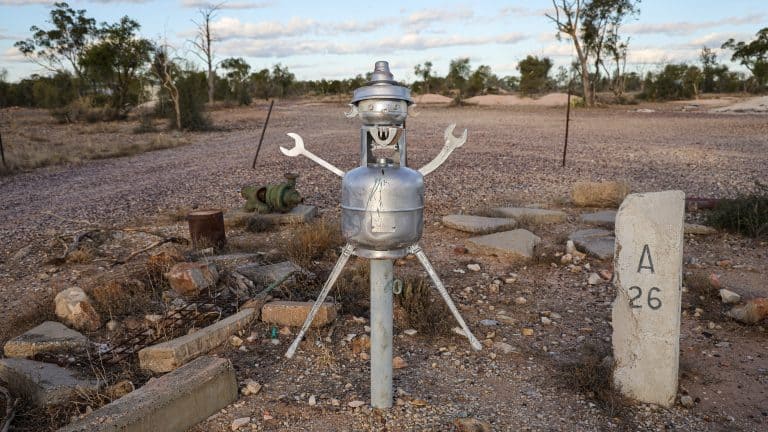
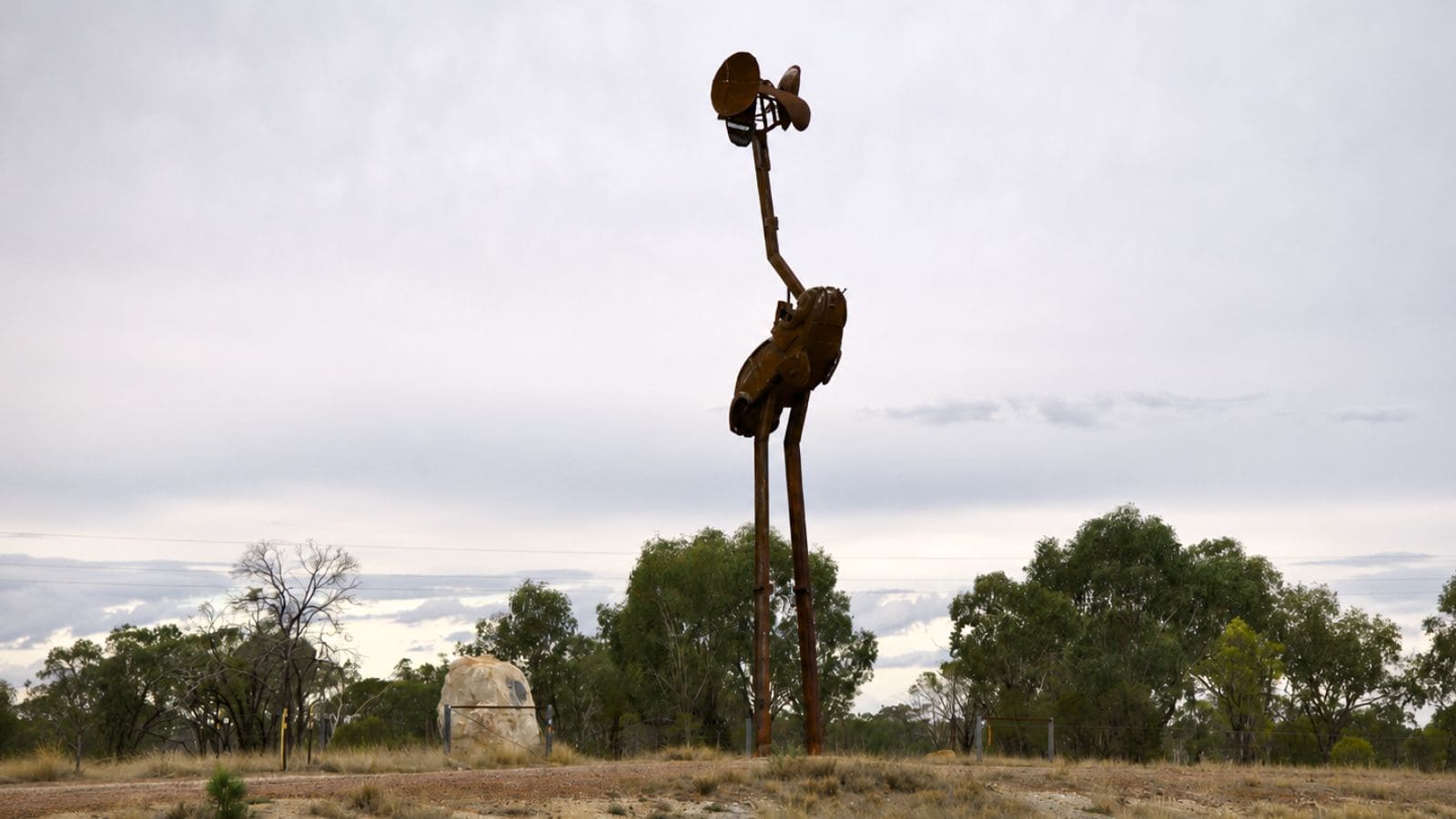
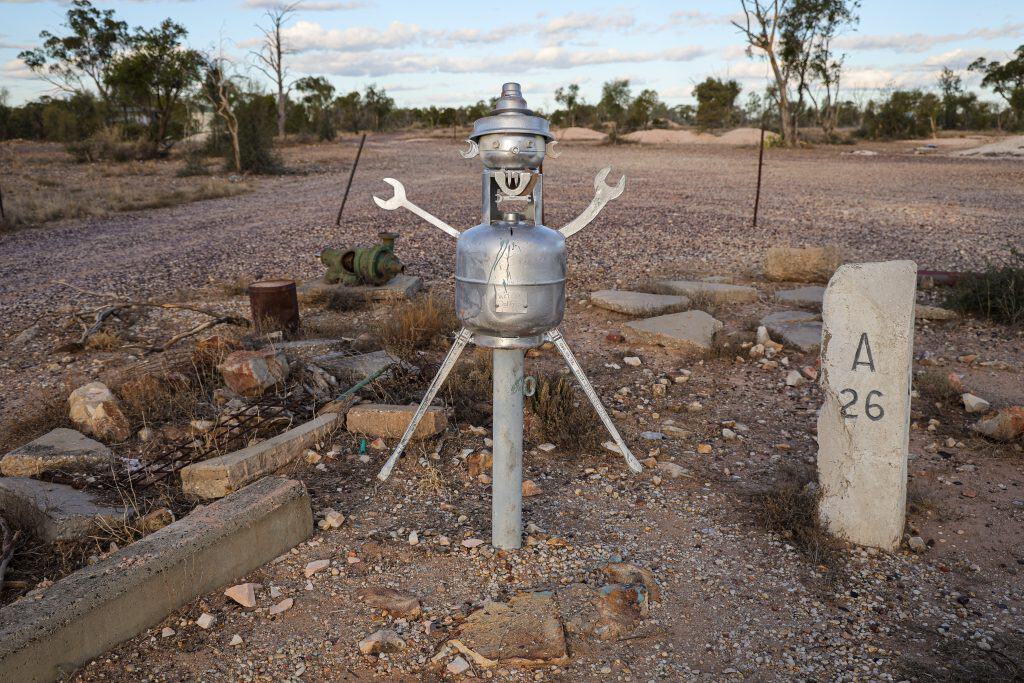
There’s a strong streak of humour running through the place. Handmade signs, quirky sculptures, old vehicles turned into artwork, and the occasional piece of very outback-style commentary all add to the town’s personality. Lightning Ridge doesn’t feel polished or carefully curated — and that’s part of its appeal. Beneath the dust and eccentricity, the Australian larrikin spirit is alive and well in Lightning Ridge.
What You Can See and Do in Lightning Ridge
Despite its small size, there’s enough to keep most visitors occupied for a couple of days — particularly if you enjoy quirky destinations, local stories, and learning about the realities of outback mining life. The Tourist Information Centre is the best place to start, with maps, local advice, fossicking permits, and information about the various self-drive car door tours around the opal fields.
Learn About Opal Mining
A good starting point is the Australian Opal Centre and the Opal Hall of Fame, which provide useful background on how opals were formed, the discovery of Lightning Ridge, and the history of mining in the area. The audiovisual presentations help explain why black opals are so rare and valuable, while also giving context to how such an isolated mining town developed in inland New South Wales.
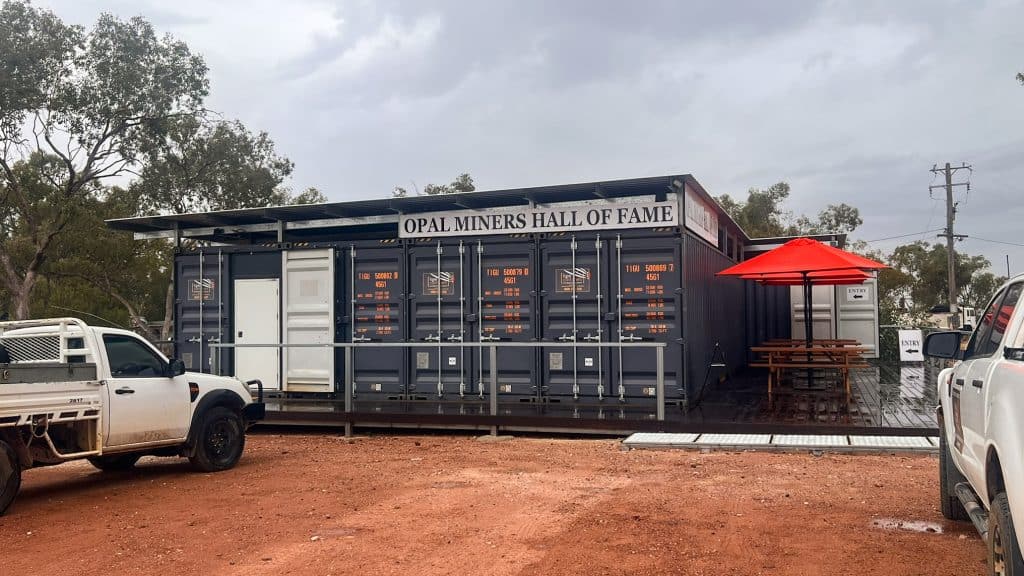

Explore the Opal Fields
Visiting an underground mine adds another layer to the experience. Beyond simply seeing tunnels underground, the tours explain how mining methods have evolved over time — from early hand-dug shafts to more mechanised approaches used today. Even after watching Outback Opal Hunters, seeing the conditions in person gave me a much greater appreciation for how physically demanding and uncertain mining life can be.
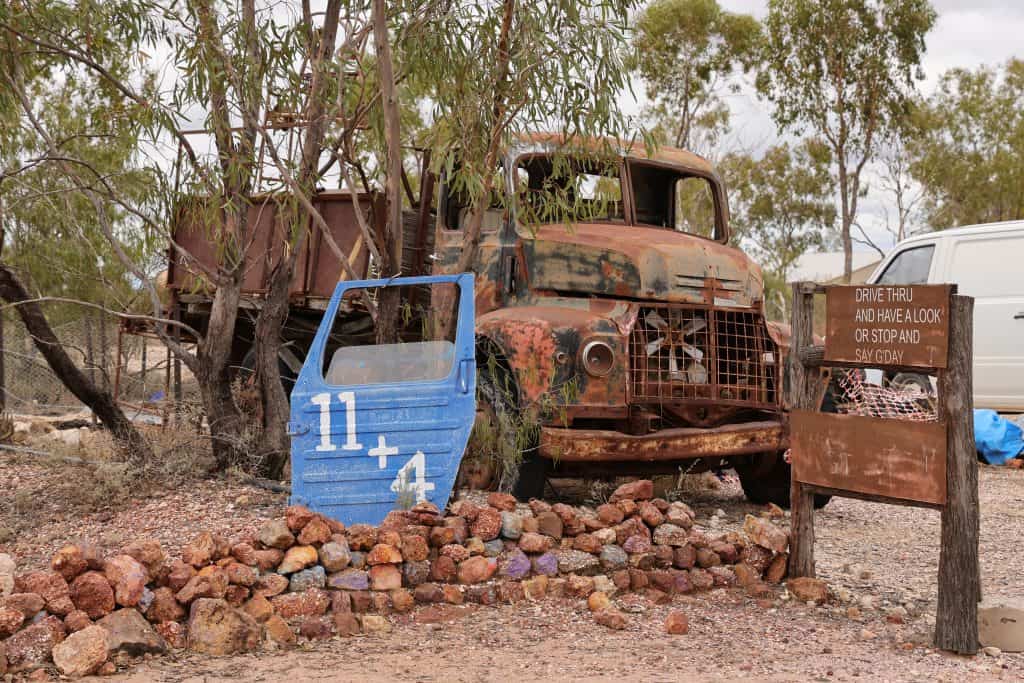
One of the more unusual experiences in Lightning Ridge is following the self-drive “Car Door Tours”, where old painted car doors guide visitors through different parts of the surrounding opal fields. The routes pass mullock heaps, scattered mining camps, quirky sculptures, old machinery, and landscapes that feel very different to coastal Australia.
Visit the Pubs and Galleries
The pubs are also part of the experience here. Several sit out on the opal fields themselves and feel full of outback character, with decades of mining history reflected in the walls, memorabilia, and conversations happening around the bar. Even if you’re not a big drinker, they’re interesting places to stop for a meal and soak up a little of the local atmosphere.
The John Murray Art Gallery was another genuine highlight of our visit. His humorous paintings capture the personality of rural Australia brilliantly and felt perfectly suited to Lightning Ridge itself. The artesian bore baths are also popular, particularly around sunset when temperatures begin to cool.
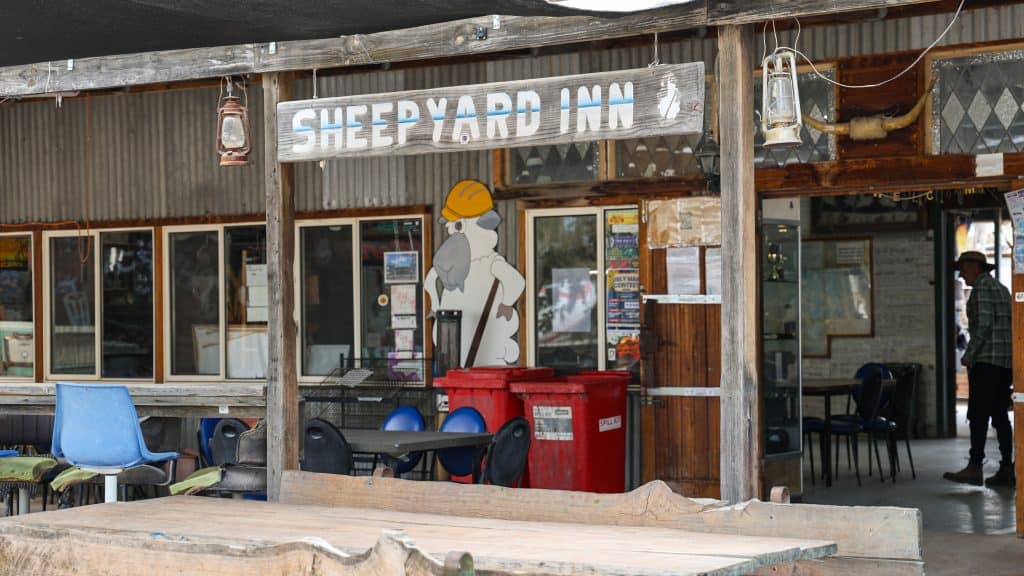

Try Fossicking for Opals
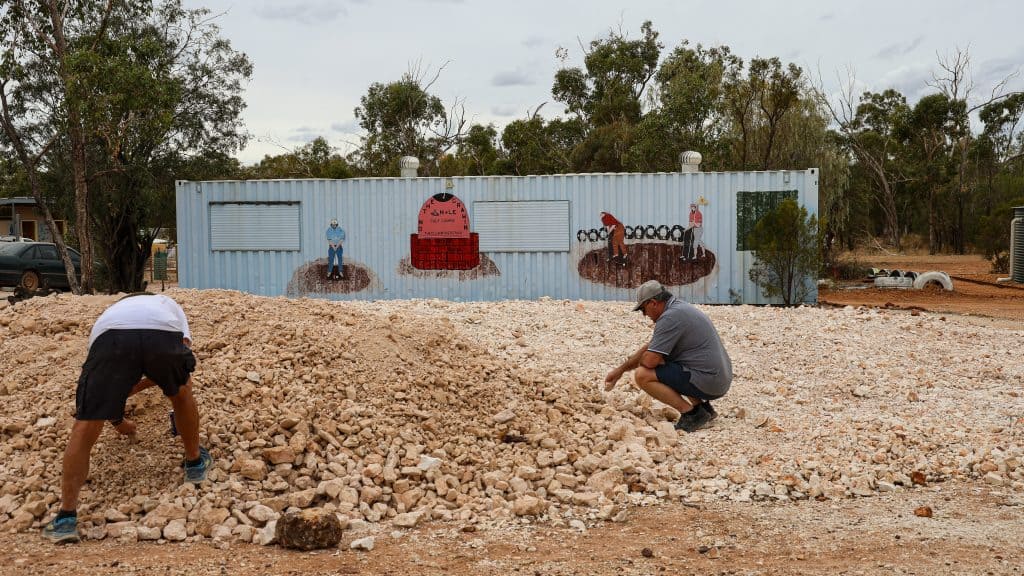
Fossicking is another activity many visitors want to try while in Lightning Ridge. There is a public fossicking heap outside the Tourist Information Centre, while several attractions around town provide tailings for visitors to search through themselves.
Realistically, most visitors aren’t going to uncover a life-changing gemstone, but that’s not really the point. There’s something strangely enjoyable about slowly scratching through the dirt and hoping to see a tiny fragment of colour suddenly “wink” back at you in the sunlight.
⛏️💎 Fossicking Tips for Beginners
- Wear old clothes — you will get dusty and dirty.
- Bring water, sunscreen, and a hat.
- Take a small spray bottle or cup of water to wash dirt from stones and check for flashes of colour.
- A small three-pronged garden tool can make searching easier.
- Bring something small to store any pieces you find.
- Take a piece of plastic or a small mat to sit on — otherwise you may end up squatting in the dirt for quite a while.
- Treat it as a fun experience rather than expecting to strike it rich.
Want more detail? I’ve shared my favourite experiences in this guide to the 9 Best Things to Do in Lightning Ridge, from fossicking and underground attractions to quirky outback pub tours.
The Pros
One of the biggest strengths of Lightning Ridge is its distinct personality. Mining, isolation, and generations of people choosing to live life on their own terms have given the town a character that feels very different to most regional destinations.
The town particularly suits travellers who enjoy quirky attractions, local stories, and places with strong character.
It’s also surprisingly educational. Between the underground mine tours and the audiovisual presentations at places like the Opal Hall of Fame, you come away with a much better understanding of black opals, mining life, and the persistence required to succeed in such a harsh environment.
And while Lightning Ridge certainly isn’t polished, that lack of polish is part of what makes it memorable. It still feels authentic rather than carefully designed for tourism — a place town that still feels like a real working community first and a tourist destination second.
The Cons
The biggest drawback for many travellers will simply be the distance. Reaching Lightning Ridge involves a long drive through inland New South Wales, and unless you’re already planning a regional road trip, it can feel quite remote. The isolation is part of the appeal once you arrive, but it does require time and planning.
Lightning Ridge is definitely not a destination I would recommend visiting during summer. Temperatures regularly climb above 40°C (104°F), and the combination of heat, dust, and flies would make sightseeing uncomfortable for many travellers. For most visitors, the best time to visit is between April and September, when daytime temperatures are far more manageable.
Accommodation and dining options are also more limited than in major tourist destinations. While there are some good choices, visitors expecting luxury resorts, trendy cafés, or polished tourism infrastructure may find Lightning Ridge fairly basic.
It’s also worth checking accommodation details carefully before booking. Some properties operate off-grid, and not all accommodation includes reliable Wi-Fi — something that may matter more to some travellers than others. Off-grid is not normally an issue but we had some overcast days during our stay which made us reluctant to turn on the heating at night time.
And while many travellers will love the town’s rough-around-the-edges personality, others may simply not connect with it. Lightning Ridge is less about ticking off major sights and more about the overall experience of the town itself — the people, the mining stories and the quirky sense of humour. Some visitors will find that fascinating; others may wonder what all the fuss is about.
Who Should Visit (and Who Should Skip It)
Lightning Ridge is likely to appeal most to travellers who enjoy unusual places, regional road trips, mining history, quirky attractions, and destinations with strong personality. If you enjoy chatting with locals, exploring at a slower pace, and seeing a very different side of Australia, there’s a good chance you’ll find the town fascinating.
It’s particularly worthwhile as part of a broader inland New South Wales road trip rather than a quick overnight stop.
On the other hand, Lightning Ridge may not suit travellers looking for luxury accommodation, dramatic scenery, or a packed sightseeing itinerary. Visitors expecting a polished tourist destination with major landmarks and endless attractions may leave disappointed.
How Long Should You Stay in Lightning Ridge?
I think two nights is the minimum amount of time most travellers should allow for Lightning Ridge. For many visitors, the first day will involve a long drive through inland New South Wales, meaning you may not arrive until late afternoon or evening.
With two nights, you have one full day to visit the main attractions — such as an underground mine, the Opal Hall of Fame, opal shops, and part of the car door tours.
Three nights is even better if your schedule allows. It gives you time to explore more of the surrounding opal fields, visit some of the outlying pubs, try fossicking, and fit in some of the smaller experiences that are easy to miss when rushing through.
We spent four nights in town — really three full days once we arrived — which felt like a comfortable amount of time without ever becoming boring. Personally, I wouldn’t recommend a significantly longer stay unless you have a strong interest in fossicking, opal mining, or remote outback towns more generally.
Practical Tips for Visiting Lightning Ridge
The best time to visit Lightning Ridge is generally between April and September, when daytime temperatures are far more comfortable for exploring the opal fields and outdoor attractions. Summer temperatures regularly climb above 40°C (104°F), and personally, I would avoid visiting at that time of year unless you are very comfortable with extreme heat.
Because Lightning Ridge is quite remote, it’s also worth planning ahead a little more carefully than you might for larger regional towns. Fuel up before long drives, carry plenty of water, and don’t assume services will operate with big-city convenience or hours.
One thing worth noting is the town water supply. Much of Lightning Ridge uses artesian bore water, and several locals told us the mineral content is so high that it is considered “only just drinkable”. We mostly relied on bottled water during our stay, and many visitors will probably prefer to either bring drinking water with them or buy it once in town.
Accommodation should also be booked in advance during busy periods and events. It’s worth reading listings carefully, as some properties operate partially off-grid and not all accommodation includes reliable Wi-Fi, strong mobile reception, or modern hotel-style facilities. For many travellers that’s part of the charm, but it’s better to know what to expect beforehand.
The Tourist Information Centre is an excellent first stop after arriving in town. Staff can provide maps for the car door tours, local advice, fossicking information, and updates on attractions or road conditions around the opal fields.
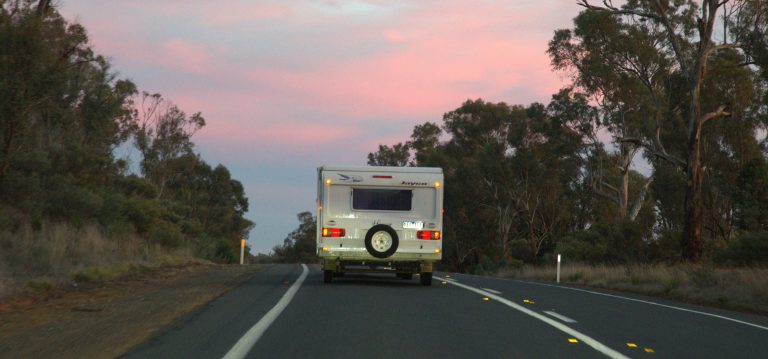
If the thought of driving to Lightning Ridge is putting you off, don’t let its remote reputation fool you. I share what the journey is really like—including road conditions, fuel stops, mobile reception and wildlife—in my guide to driving to Lightning Ridge.
Final Verdict: Is Lightning Ridge Worth Visiting?
Yes — for the right type of traveller, I think Lightning Ridge is absolutely worth visiting.
This isn’t a destination you visit for polished attractions, luxury accommodation, or dramatic scenery. The appeal lies more in the town’s personality — the mining culture, quirky humour, conversations with locals, and the sense that life still moves at a different pace here.
Some travellers will probably leave wondering what all the fuss is about, while others will become completely fascinated by the town and its characters. Personally, I found it far more interesting than I expected.
If you enjoy regional road trips, unusual destinations, and seeing a very different side of Australia, Lightning Ridge is well worth adding to your itinerary.
Planning a Trip To Lightning Ridge?
Here are a couple of guides to help you make the most of your visit:
⭐ 9 Best Things to Do in Lightning Ridge: From Fossicking to Outback Pub Tours
⭐ Driving to Lightning Ridge? Here’s What To Expect
Frequently Asked Questions About Visiting Lightning Ridge
Yes — Even if you have little interest in gemstones or mining, Lightning Ridge has a very distinct personality, quirky attractions, and a side of outback Australia that feels quite different to most tourist destinations.
I’d recommend at least two nights. For many travellers, the first day will involve a long drive, so staying only one night can feel rushed. Two to three nights gives you enough time to visit the main attractions, explore the opal fields, try fossicking, and experience the slower pace of the town.
Yes — particularly for travellers who enjoy road trips, regional Australia, and exploring at a relaxed pace. Most attractions are fairly easy to access, and many experiences revolve around self-drive touring, galleries, museums, pubs, and mine tours rather than physically demanding activities.
We found Lightning Ridge to feel surprisingly friendly and welcoming. Like any remote town, it pays to use normal common sense, particularly when driving around isolated mining areas, but overall we found locals very approachable and happy to chat with visitors.
Technically yes — but visitors should keep expectations realistic. Most fossicking areas involve searching through old tailings rather than active mining sites. Finding even a tiny fragment of colour is exciting, but the experience is more about the fun of searching than striking it rich.
No. Most of the main attractions, car door tours, and fossicking areas can be accessed with a standard vehicle in normal conditions. However, roads around the opal fields can become rough or muddy after rain, so it’s worth checking local conditions before heading too far out of town.