Driving to Lightning Ridge? Here’s What To Expect
Freedom Years Travel contains affiliate links. If you make a purchase using one of the links below, we may receive compensation at no extra cost to you. We only recommend products and services we use and trust. Read our disclaimer for more information.
If you’re considering driving to Lightning Ridge, you’re probably wondering whether it’s as remote and challenging as it sounds. Are the roads sealed? Will you lose mobile reception? Is a four-wheel drive necessary?
Before our trip, I had the same questions. In reality, the drive was much more straightforward than we expected. With a little preparation, it felt safe, manageable and far less daunting than its outback reputation suggests.
In this guide, I’ll share what it’s really like to drive to Lightning Ridge, including road conditions, fuel stops, wildlife risks and tips to help you plan the journey with confidence.
Driving to Lightning Ridge – At a Glance
🚗 Road conditions: Sealed roads and generally good conditions
🚙 4WD required? No
⏱ Brisbane: 8–9 hours (600 km)
⏱ Sydney: 8–9 hours (750 km)
⏱ Dubbo: 4½–5 hours (350 km)
📶 Mobile reception: Patchy in places
⛽ Fuel: : Available along the route, but top up regularly rather than running your tank low.
🦘 Best advice: Try to arrive before sunset to reduce the risk of wildlife encounters.
Where Is Lightning Ridge?
Lightning Ridge is located in north-west New South Wales, close to the Queensland border. Best known as Australia’s black opal capital, it’s a long way from the state’s major cities, which is partly why many travellers wonder whether the drive is worth the effort.
Despite its remote reputation, reaching Lightning Ridge is more straightforward than you might expect. The town is connected by sealed roads and can easily be visited as part of a New South Wales or southern Queensland road trip.
Approximate driving times are:
- Brisbane: around 8–9 hours (about 600 km)
- Sydney: around 8–9 hours (about 750 km)
- Dubbo: around 4½–5 hours (about 350 km)
Of course, these times don’t allow for coffee stops, lunch breaks or the inevitable roadside photo opportunities. If you’re travelling from further afield, consider breaking up the journey and treating the drive as part of the adventure rather than a race to the finish.
Common Driving Routes to Lightning Ridge
Although Lightning Ridge has a reputation for being “way out west”, getting there is actually quite straightforward. Most of the roads are sealed and the driving straightforward. It’s really just a matter of deciding how much time you want to spend in the car each day.
From Brisbane
From Brisbane, allow around 8–9 hours of driving time. Brisbane travellers typically follow the Warrego and Carnarvon Highways, with sealed roads all the way to Lightning Ridge.
Some people tackle it in a single day, but if you’d rather take it at a slower pace, an overnight stop can make the journey much more enjoyable.
St George is a popular choice, particularly if you’d like to break up the drive roughly in half. If you have a little more flexibility, Goondiwindi also makes a convenient stop with plenty of accommodation options and somewhere decent to enjoy dinner before continuing on the next morning.
From Sydney
From Sydney, you’re looking at a similar 8–9 hour drive, depending on traffic leaving the city. Sydney travellers generally follow the Great Western Highway before joining the Newell Highway towards Dubbo, with sealed roads continuing all the way to Lightning Ridge.
While it’s possible to do it in one day, many travellers prefer to split the journey.
Dubbo is probably the most practical overnight stop and has enough attractions to justify lingering for a day or two. Alternatively, Coonabarabran works well if you’d like a shorter second driving day and the opportunity to explore the nearby Warrumbungles.
From Dubbo
If you’re already travelling through inland New South Wales, Dubbo is only around 4½ to 5 hours from Lightning Ridge. It makes an easy addition to a wider regional road trip and an easy way for travellers to get a taste of outback Australia.
So, is it a difficult drive?
Honestly, not really.
The distances are certainly longer than many of us are used to, but we didn’t find the drive difficult. Once you’re out of the larger towns, traffic is fairly light and the roads are generally in good condition. As long as you’re realistic about how many hours you want to spend behind the wheel and take regular breaks, it’s entirely manageable.
What Is the Drive Actually Like?
Before our trip, I wasn’t quite sure what to expect. The word “outback” tends to conjure up images of difficult roads and challenging driving conditions. In reality, the drive into Lightning Ridge was far more straightforward than we’d anticipated.
The vast majority of the route was on sealed roads that were generally in good condition. We found the driving itself straightforward and never felt that a four-wheel drive was necessary. If you plan to stick to the main routes and attractions around Lightning Ridge, a standard vehicle is perfectly adequate.
The exception is if you decide to venture further afield to places such as the Grawin Opal Fields. Some of these roads are unsealed and can be rougher, particularly after rain. They’re certainly doable with care and the right conditions, but they’re quite different from the drive into Lightning Ridge itself.
You will almost certainly encounter a few road trains along the way. If you’ve never shared the road with one before, they can look intimidating at first. Fortunately, the major highways include overtaking lanes and traffic volumes are generally low enough that you don’t feel pressured. We found there were plenty of opportunities to pass safely when needed.
There were also more places to stop than we’d expected. Most towns had public toilets, picnic areas or somewhere to grab a coffee and stretch your legs. The facilities were generally clean and well maintained, although I should warn the ladies that quite a few public toilets featured stainless steel seats. Practical, perhaps, but not especially comfortable on a cold morning!
One piece of advice that has stood the test of time is the old “Stop, Revive, Survive” message. We tried to take a break every couple of hours to stretch our legs and reset before getting back behind the wheel. Even if you don’t think you need it, your knees will probably thank you by the end of the day.
Things to Know Before You Go
Fuel Stops
One thing we learnt is that it’s best not to let your fuel tank get too low. While there are plenty of opportunities to refuel in the larger towns, some of the smaller service stations we passed appeared to have closed permanently.
Google Maps was generally fairly accurate in showing whether service stations were open, but I wouldn’t rely on it completely. Topping up when you have the opportunity is far less stressful than wondering whether the next fuel stop will actually be operating.
There are two EV charging stations at Lightning Ridge Bowling Club, but charging infrastructure remains limited in this part of regional Australia. If you’re planning the trip in an electric vehicle, it’s worth researching your route carefully before setting off. This guide provides more detail.
Mobile Reception and Navigation
One thing that surprised us was that mobile reception wasn’t quite as reliable as we’d expected. Telstra is often considered the best option for regional Australia, but we still came across areas with limited coverage. In fact, our Telstra service was more reliable in parts of Central Europe than it was in outback Queensland!
For reasons I don’t entirely understand, Google Maps seemed happy to keep working even with awful reception, provided we didn’t completely close the app and try to reopen it. So don’t panic if you lose signal partway through the journey.
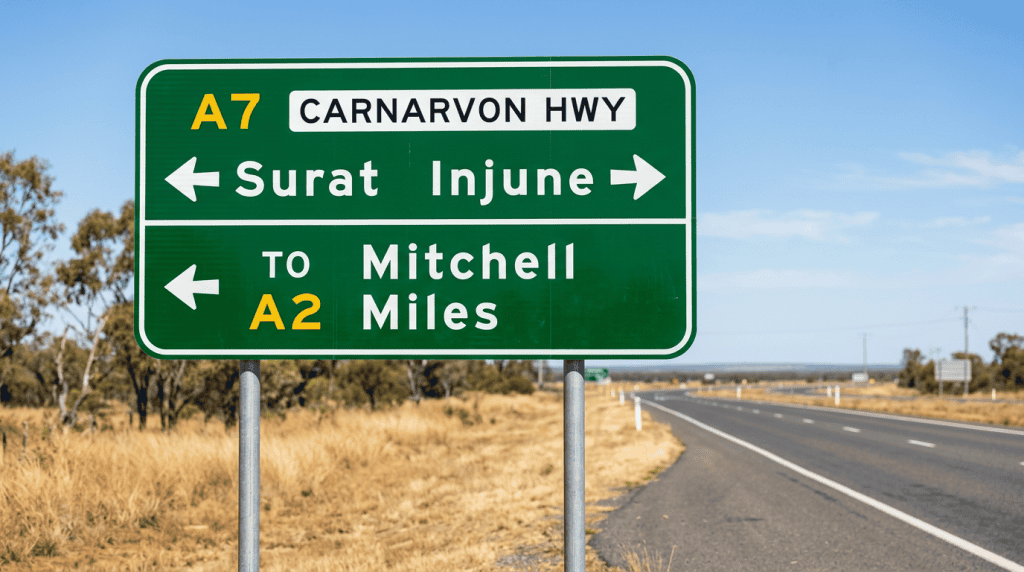
GPS is a fantastic tool, but I wouldn’t let it make every decision for you. Around St George, we noticed signs advising drivers to stick to the major highways instead of following navigation apps. Apparently, GPS has developed a bit of a reputation for sending travellers on questionable detours down private roads, unsealed tracks or “shortcuts” that aren’t really shortcuts at all.
Fortunately, the main routes to Lightning Ridge are well signposted. The bigger frustration came when we wanted to check whether the next petrol station was actually open. Without reliable reception, that wasn’t always as straightforward as it sounds.
If you’re planning a longer trip through remote parts of Australia, you might want to look into a Starlink setup for extra peace of mind. For a visit to Lightning Ridge, though, Telstra, a bit of forward planning and some common sense should be enough.
Wildlife and Night Driving
If I had one recommendation, it would be to avoid driving at dawn, dusk and after dark if you can.
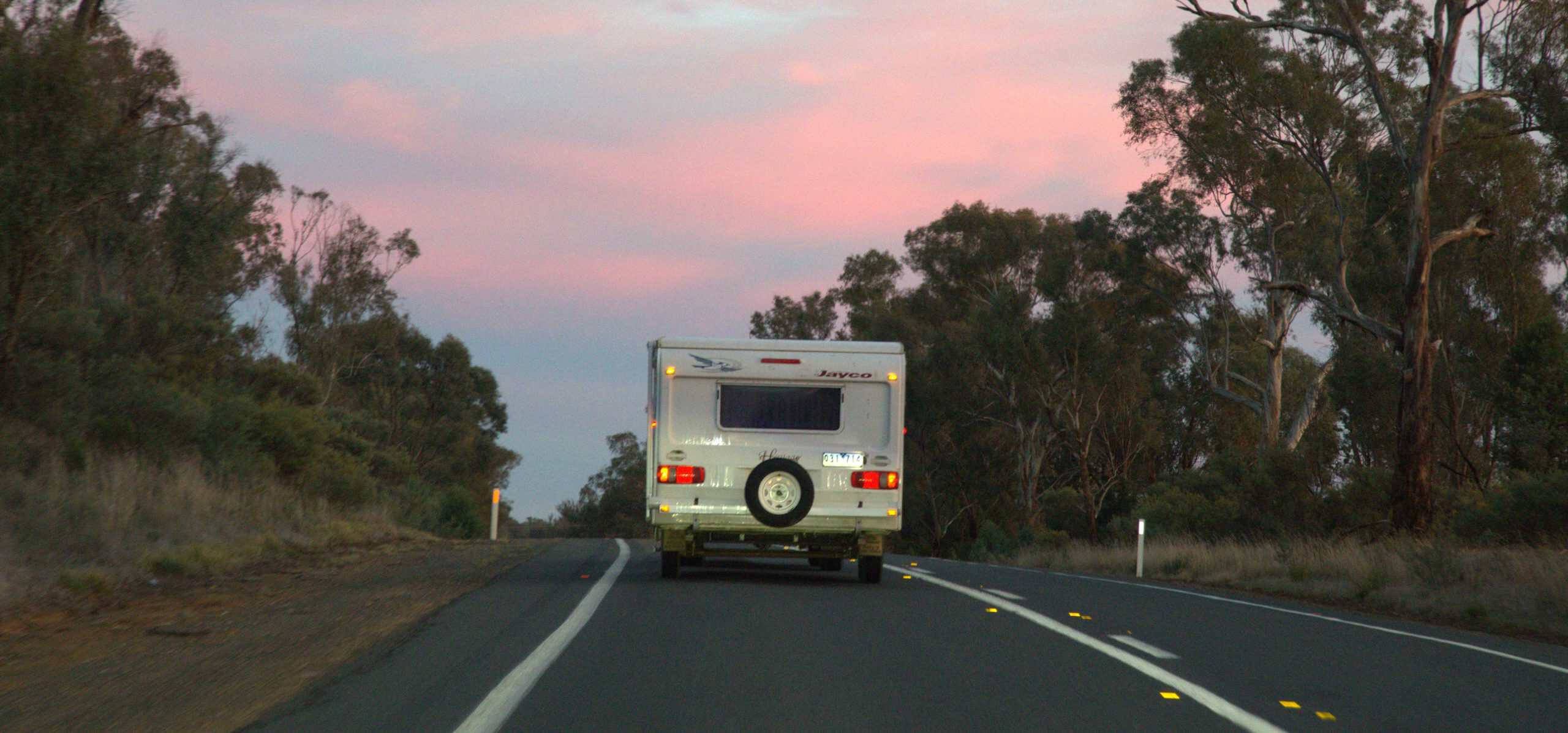
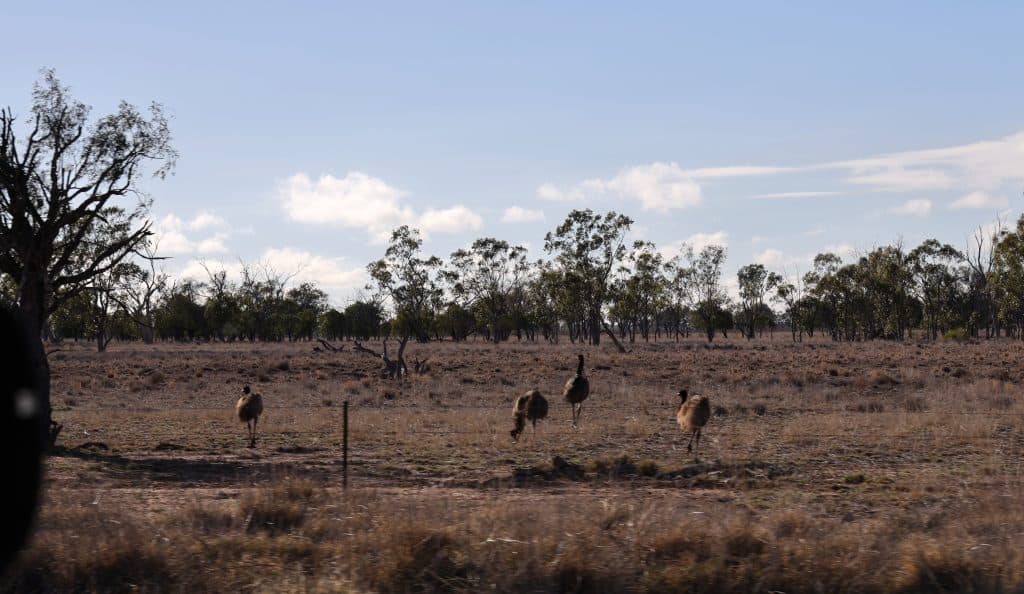
We saw plenty of wildlife on our trip, including kangaroos, emus and a surprising variety of birdlife. Fortunately, most of the kangaroos had the good sense to hop away from the road, but the amount of roadkill we passed made it pretty clear that things don’t always end well.
It’s not just kangaroos you need to keep an eye out for either. Livestock can find their way onto the road and wild pigs and foxes are around too.
Apart from the obvious consequences for the animal, hitting one can cause a lot of damage to your car and quickly put a dampener on your holiday. That’s why we planned our driving days so we’d arrive well before sunset. It was one less thing to worry about and made the whole trip feel much more relaxed.
Road Conditions After Rain
We visited after a long dry spell, so road closures weren’t something we were particularly concerned about. If there’s been significant rain before your trip, though, it’s worth doing a quick check before you head off.
Heavy rain can occasionally lead to localised flooding and temporary road closures in this part of regional Australia. The main roads into Lightning Ridge are sealed and generally well maintained, but conditions can change more quickly on some of the unsealed roads around the opal fields.
Google Maps and Apple Maps will often pick up major closures, but I wouldn’t assume they know everything. The electronic signs we passed along the highways provided plenty of warning about any issues ahead and are worth paying attention to.
A quick check before you leave and keeping an eye on the road signs along the way should help you avoid any unwelcome surprises.
Do You Need a 4WD?
The short answer is no.
We completed the drive to Lightning Ridge in a standard vehicle and never once wished we’d hired a four-wheel drive. The main roads into town are sealed and generally in good condition, and all of the attractions within Lightning Ridge itself were easy to access.
Where a 4WD might come in handy is if you’re planning to venture further afield to some of the more remote opal fields or travelling after significant rain, when conditions on unsealed roads can change quickly.
For most visitors, though, a regular car is perfectly adequate.
Is the Drive Worth It?
For us, absolutely.
Part of the appeal of visiting Lightning Ridge was seeing a part of Australia that feels very different from everyday life in the city. The drive itself became part of that experience.
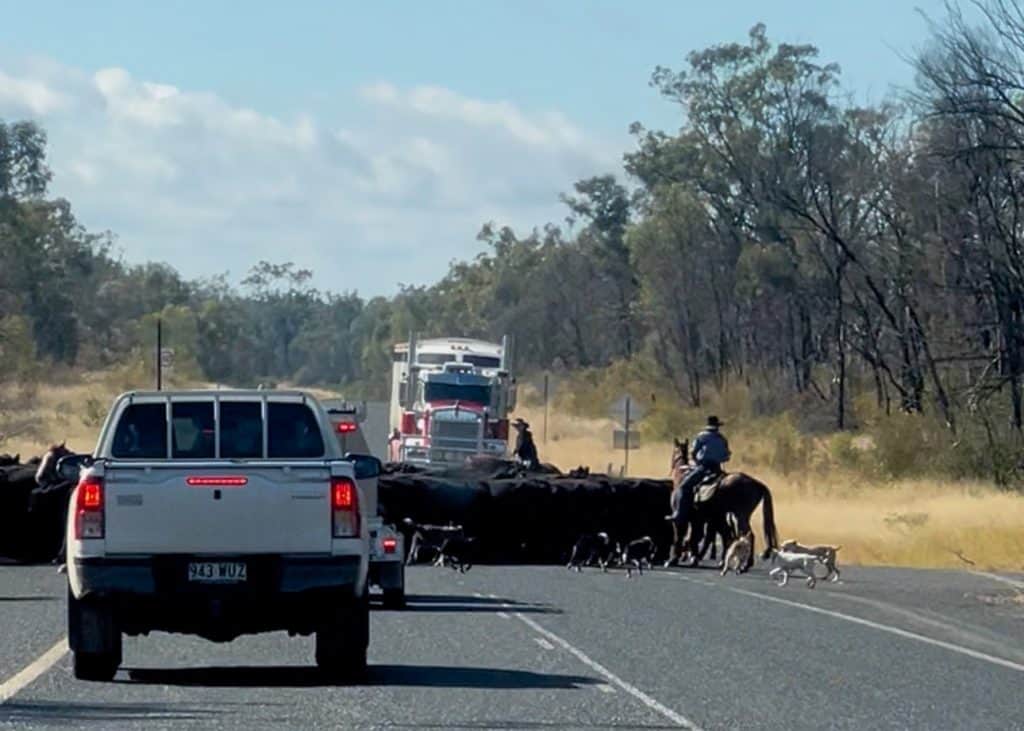
Along the way, we spotted emus, plenty of kangaroos and sheep and goats grazing in open fields. On the journey home, we were briefly delayed while cattle were moved across the road by their drovers and a team of about sixteen enthusiastic working dogs. It’s something I’ve never seen before and was one of the highlights of the homeward drive.
No, the drive isn’t short, but we didn’t find it particularly difficult either. With a bit of planning and realistic expectations about the distances involved, it’s a very manageable way to experience a different side of Australia.
Planning Your Lightning Ridge Trip?
Before you go, you might these guides helpful:
👉 Is Lightning Ridge Worth Visiting? What It’s Really Like in Australia’s Opal Town
👉 9 Best Things to Do in Lightning Ridge: From Fossicking to Outback Pub Tours
Final Thoughts
Driving to Lightning Ridge isn’t quite the outback challenge some people imagine.
Yes, it’s a long drive, but we found the roads to be generally good, traffic surprisingly light and the journey itself far more straightforward than we’d expected.
For us, the drive became part of the experience. It offered glimpses of a side of Australia we don’t often see in everyday life and ended with one of the highlights of the trip – watching drovers and their enthusiastic working dogs move cattle across the road.
So if you’ve been wondering whether Lightning Ridge is simply too far away or too difficult to reach, I’d say don’t let the drive put you off. With realistic expectations and a bit of common sense, it’s a very manageable way to experience this fascinating corner of regional Australia.
Frequently Asked Questions about Driving to Lightning Ridge?
No. We found the drive much more straightforward than we’d expected. The main roads into Lightning Ridge are sealed and generally in good condition. The biggest challenge is simply the distance, so allow plenty of time, take regular breaks and avoid driving when you’re tired.
No. A standard vehicle is perfectly adequate for the drive to Lightning Ridge and for visiting the attractions within town. A 4WD may be useful if you’re planning to explore more remote opal fields or travelling after significant rain, but most visitors won’t need one.
Approximate driving times are:
Brisbane: 8–9 hours
Sydney: 8–9 hours
Dubbo: 4½–5 hours
These times don’t include meal breaks, fuel stops or sightseeing along the way.
Yes, provided you take sensible precautions. The roads are generally good, but it’s best to avoid driving at dawn, dusk and after dark due to the risk of wildlife on the roads. Regular breaks and keeping your fuel tank topped up will also help make the journey safer and less stressful.