Is Bucharest Worth Visiting? Why Romania’s Capital May Surprise You
Freedom Years Travel contains affiliate links. If you make a purchase using one of the links below, we may receive compensation at no extra cost to you. We only recommend products and services we use and trust. Read our disclaimer for more information.
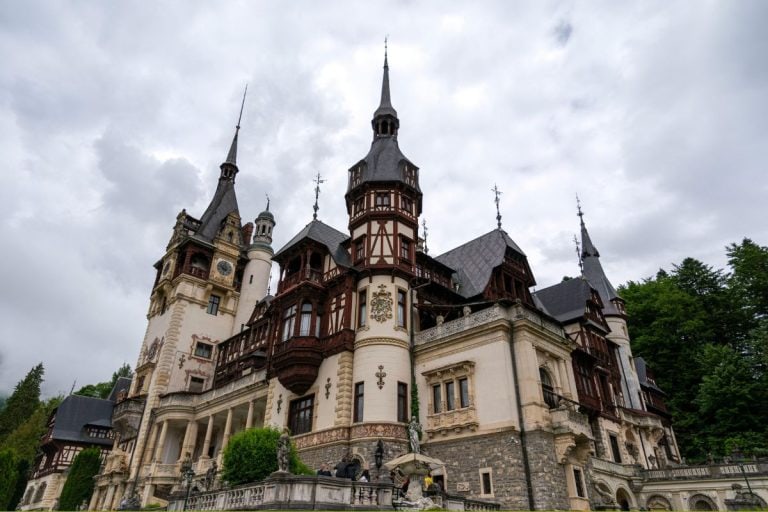
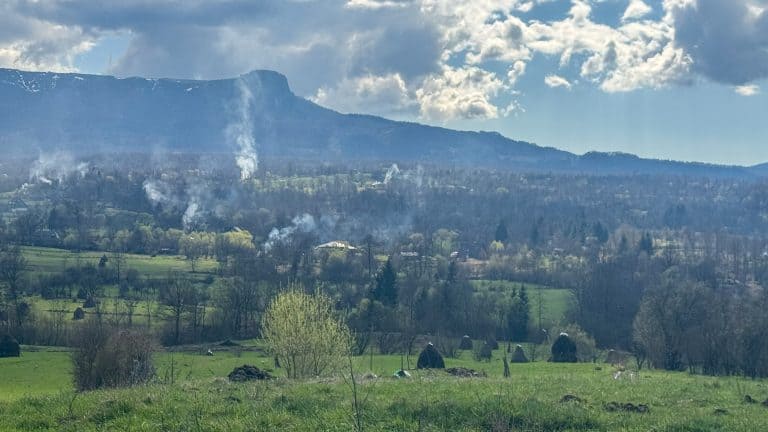
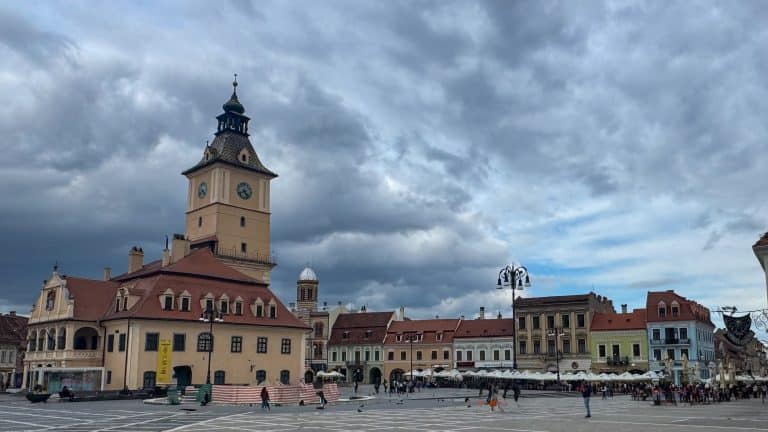
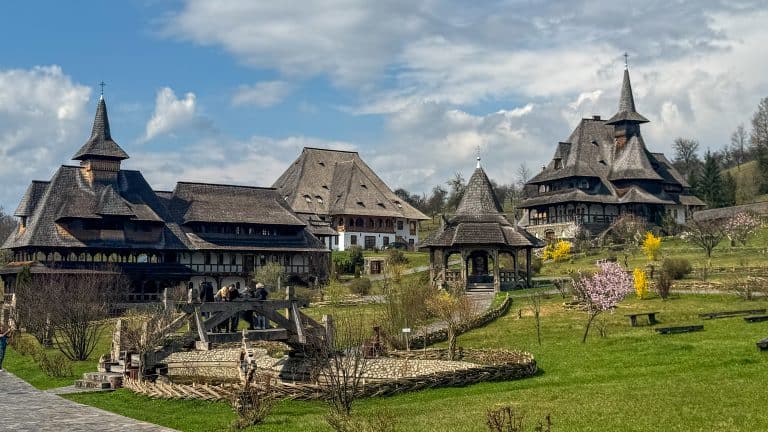
When I first started planning my Romania itinerary, I wasn’t convinced that Bucharest was worth visiting. My interest was mainly in Transylvania — medieval towns, misty mountains, and legends — and in the Maramureș region, where traditional life still carries on much as it has for centuries. Reviews of the capital were mixed, and I honestly didn’t know whether to give it any time at all or head straight for the countryside.
In the end, curiosity won. I gave Bucharest two full days, just enough — or so I thought — to see a few highlights before moving on. Yet those two days completely changed my mind. I found a city that was gritty and graceful in equal measure: elegant Belle Époque architecture layered with the starkness of the communist era, a history that felt recent and raw, and a food and coffee scene that was full of life. What I loved most were its contrasts — the visible scars of the 20th century sitting alongside beautifully preserved traces of old Europe.
If you’re still wondering “is Bucharest worth visiting?” — especially as part of a wider Romania trip — here’s what changed my mind and why this city deserves more time than you might expect.
If you’re planning a broader trip, my Romania travel guide for first-time visitors gives a complete overview of how to structure your itinerary.
A City of Contrasts: Where Old Europe Meets Communist-Era Starkness
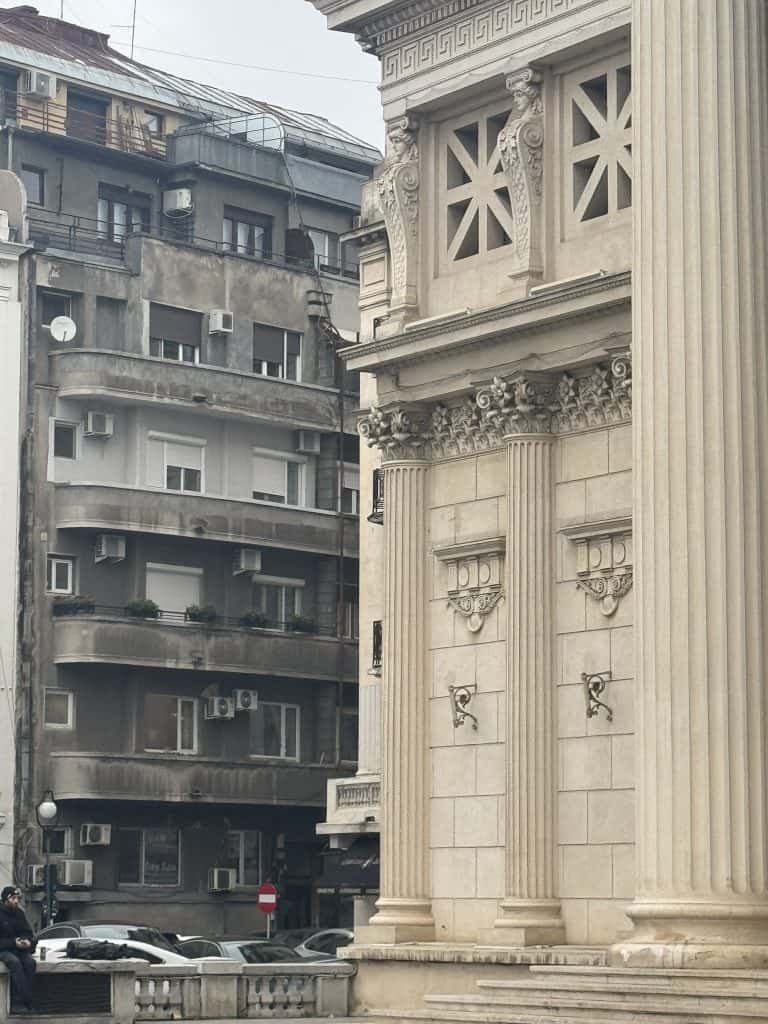
Bucharest’s architecture was the first thing that grabbed my attention. In the Old Town, elegant Belle Époque façades, ornate balconies, and cobbled lanes give the city a distinctly European charm. Then, just around the corner, the view shifts — rows of stark, graffiti-covered communist-era apartment blocks and concrete public buildings appear, creating a sharp contrast that defines much of the capital’s character.
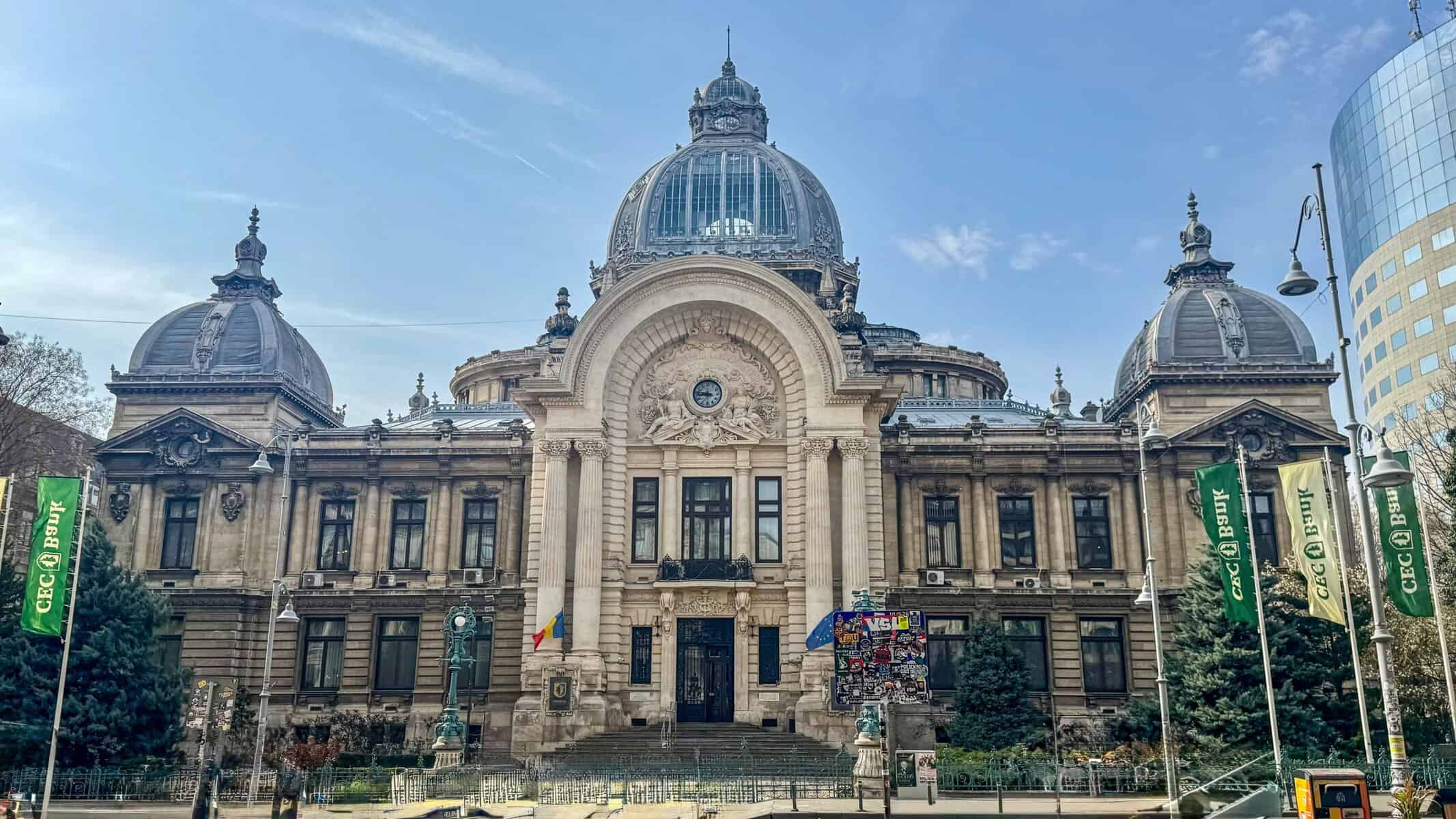
It’s this uneasy mix of styles that tells Bucharest’s story. Grand 19th-century landmarks like the CEC Palace sit beside modern glass towers, while along Calea Victoriei you’ll find restored mansions next to more utilitarian post-war architecture. It’s not conventionally beautiful, but it’s a fascinating record of how the city has evolved through prosperity, war, dictatorship, and renewal.
What stood out most to me was how these layers all exist side by side. Rather than feeling out of place, these juxtapositions give Bucharest a distinct personality — a mix of grit and grandeur that makes it unlike any other European capital I’ve visited.
History Comes Alive: Understanding Romania’s Past
Of all the places I visited in Romania, Bucharest gave me the clearest picture of what life was like under Communism. I joined a Communism in Romania walking tour, which turned out to be one of the most fascinating experiences of my trip. Our guide had lived through those years and shared what daily life was really like — from rationing and propaganda to the fear of secret informants.
The most powerful symbol of that era is the Palace of the Parliament, an extraordinary mix of grandeur and excess. It’s one of the largest administrative buildings in the world and a vivid example of how the Ceaușescu regime reshaped Bucharest. The sheer scale is hard to comprehend, and walking through its marble corridors feels both impressive and unsettling.
Romania’s version of communism was among the harshest in Eastern Europe — marked by severe repression, isolation, and fear — and it ended with the region’s only violent revolution. Today, Bucharest remains one of the few European capitals where the legacy of communism is still visible in its streets and skyline.
The Unexpected Beauty of Bucharest
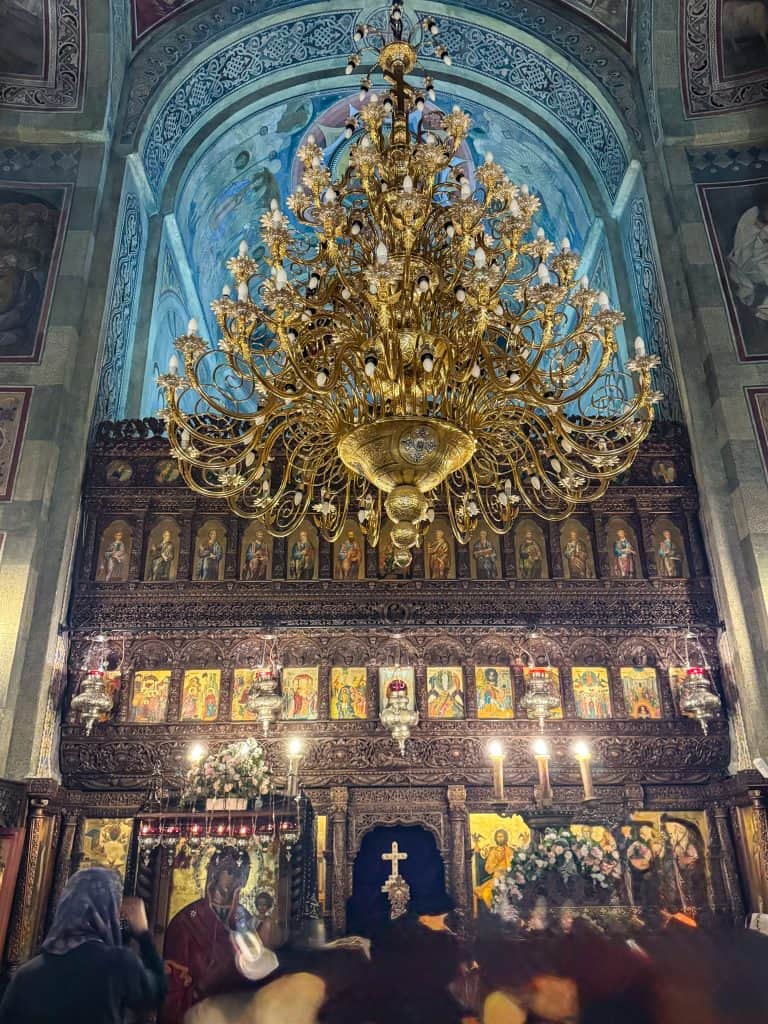
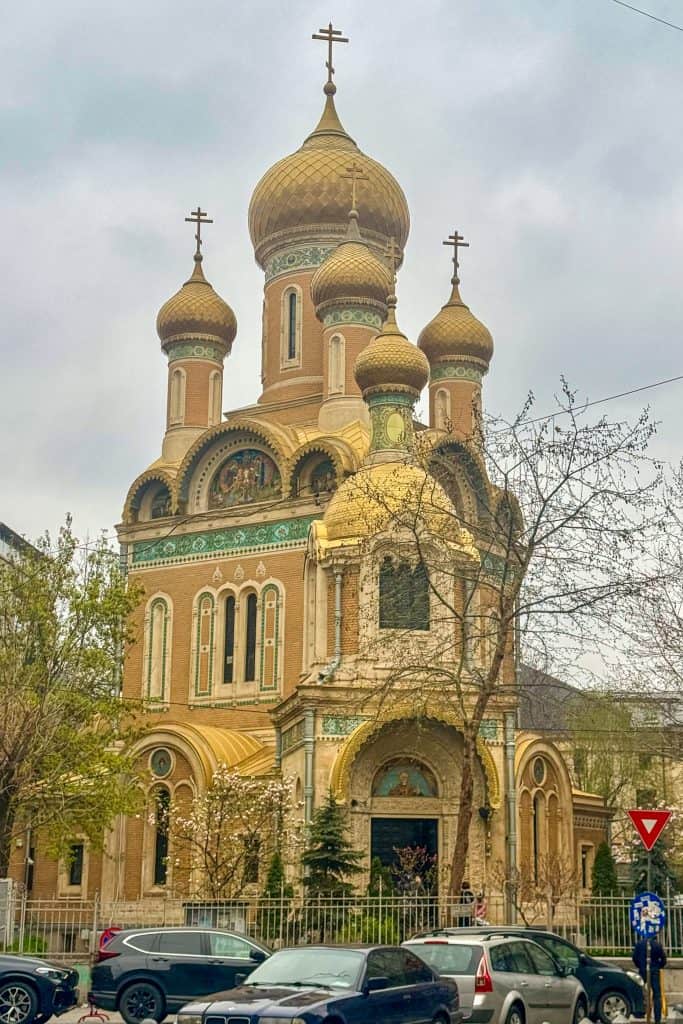
One of the biggest surprises in Bucharest was stepping inside its Orthodox churches. From the outside they can seem unassuming, but the interiors are breathtaking – glowing with gold leaf, intricate frescoes and soft candlelight. At Stavropoleos Monastery and Kretzulescu Church, I was struck not just by their beauty but by how many locals stopped in to pray or light a candle, a clear sign that faith still plays a strong role in Romanian life.
Beyond the churches, I found beauty in all sorts of unexpected corners. A grand former bank has been reborn as the elegant Marmorosch Hotel, complete with a speakeasy-style bar in its old vaults, while Cărturești Carusel — a magnificent multi-level bookstore — fills a restored 19th-century building with light and creativity. These were just a couple of examples, but they capture what makes Bucharest so fascinating to explore. If you’re deciding what to prioritise, my guide to the best things to do in Bucharest covers these highlights in more detail.
Eating and Drinking in Bucharest
If you enjoy discovering a city through its food, Bucharest is a wonderful place to do it. I joined a Bucharest food tour, which turned out to be far more than just a series of tastings. As we wandered between stops, our guide shared stories of daily life and recent history while we sampled hearty Romanian comfort food — mici (grilled sausages), sarmale (cabbage rolls filled with meat and rice), and papanasi (fried doughnuts topped with sour cream and berry sauce). These dishes tell the story of Romania’s diverse heritage, blending influences from the Balkans, the Ottoman Empire, and Central Europe into something uniquely its own.
Restaurant meals were just as memorable. The one that completely stopped me in my tracks was Caru’ cu Bere, a Bucharest institution where the vaulted ceilings, wood panelling and stained glass are as impressive as the food. Yes, it’s touristy — but don’t let that put you off. The atmosphere inside is unforgettable, and the classic Romanian dishes are hearty and well-prepared.
Between sightseeing, I found plenty of small cafés that could rival those in any European capital. Many are tucked into courtyards or quiet side streets, serving excellent coffee and pastries in calm surroundings. For travellers wondering is Bucharest worth visiting, the city’s food and café culture alone make a compelling case — generous flavours and prices that remain refreshingly reasonable by European standards.
If you’re curious about what a trip to Romania might cost overall, you’ll find my detailed guide to Romania travel costs helpful for planning your budget.
Practical Tips for Visiting Bucharest
How Many Days to Spend in Bucharest
If you’re wondering how long to spend in Bucharest, I’d recommend at least three full days. Two gave me a good overview, but an extra day would have allowed time to explore museums, relax in cafés, and see a few neighbourhoods beyond the centre.
Getting Around the City
Most of the main sights — including the Old Town, Palace of the Parliament, and Calea Victoriei — are within walking distance of each other, but the city is larger than it first appears. Rideshares are inexpensive and reliable, making them an easy way to get around.
Best Areas to Stay in Bucharest
For a short visit, it’s best to stay close to the city centre, where most sights, restaurants, and walking tours begin. The Old Town (Lipscani) area is lively and full of atmosphere, while Calea Victoriei offers a more elegant, walkable base with plenty of cafés and boutique hotels.
If you prefer somewhere quieter, Cotroceni is a leafy residential district with a local feel and easy connections by metro or rideshare.
For a more detailed breakdown, see my guide to where to stay in Bucharest for first-time visitors.
Best Time to Visit Bucharest
For first-time visitors, spring and autumn are ideal, with mild weather and outdoor cafés in full swing. Summers can be hot, and winters tend to be grey, though Christmas lights and markets add plenty of charm.
You can read more about seasonal weather and events in my Best Time to Visit Romania guide.
Getting from Bucharest Airport to the City Centre
Bucharest’s Henri Coandă International Airport (OTP) is about 17 kilometres north of the city. The train to Gara de Nord is the fastest budget option, while the 100 Express Bus (formerly the 783) runs regularly from the airport to central Bucharest. Rideshares and taxis take around 30–40 minutes depending on traffic and are inexpensive by European standards.
Costs and Value for Money
Bucharest is one of Europe’s more affordable capitals, offering excellent value on food, accommodation, and transport. Dining out is especially good value, with generous portions and quality ingredients at prices that feel refreshingly reasonable.
You’ll find more detailed budget breakdowns in my Romania Travel Costs guide.
FAQs About Visiting Bucharest
Yes, Bucharest is absolutely worth visiting. It’s a city of contrasts — elegant 19th-century architecture sitting beside stark communist-era buildings, vibrant street life, and a growing creative scene. Many travellers are surprised by how much there is to enjoy once they arrive.
Plan for at least three full days. That gives you time to explore the Old Town, visit the Palace of the Parliament, enjoy a walking tour, and still relax in cafés or parks without rushing.
Bucharest is generally a safe city. Normal city precautions apply — keep valuables out of sight and be aware in busy areas — but most visitors experience no problems at all. The city centre feels especially secure, even after dark.
Bucharest’s Henri Coandă International Airport is 17 km north of the city. You can take the train to Gara de Nord or the 100 Express Bus to central Bucharest. Rideshares and taxis are also affordable and convenient.
No, Bucharest offers great value for money compared with most European capitals. Food, accommodation, and transport are all reasonably priced, making it an appealing stop for budget-conscious travellers.
Bucharest is known for its mix of Belle Époque architecture, communist-era landmarks, ornate Orthodox churches, and an energetic café and nightlife culture. It’s also home to the enormous Palace of the Parliament — one of the world’s heaviest buildings.
Spring and autumn are ideal, with mild temperatures and plenty of outdoor café life. Summer can be hot, while winter brings festive lights and cosy charm.
Final Thoughts – Why Bucharest Surprised Me
When I first planned my Romania trip, I wasn’t sure if Bucharest was worth visiting. Conflicting reviews made me consider skipping the capital entirely and heading straight to Transylvania and Maramureș. In the end, I gave it two full days — and quickly realised that wasn’t enough. The city’s layers of history, architecture, and culture demand more time, and I could easily have stayed three or even four days.
Bucharest is a city of contrasts: elegant old-world façades sit alongside stark communist-era buildings, grand Orthodox churches coexist with lively cafés, and history is visible on every street corner. Add in a vibrant food scene, fascinating walking tours and it’s clear that the Romanian capital has something for every traveller.
If you’ve been wondering whether to include Bucharest in your Romania itinerary, my advice is simple: don’t skip it. The city might surprise you — just as it did me.
Planning Your Trip to Romania?
These guides cover itinerary planning, regional highlights and practical details to help you structure your trip:
👉 Romania Travel Guide for First-Time Visitors
👉 Romania Road Trip: Two Flexible Itineraries from Bucharest
👉 Things to Do in Transylvania Beyond Dracula’s Castle