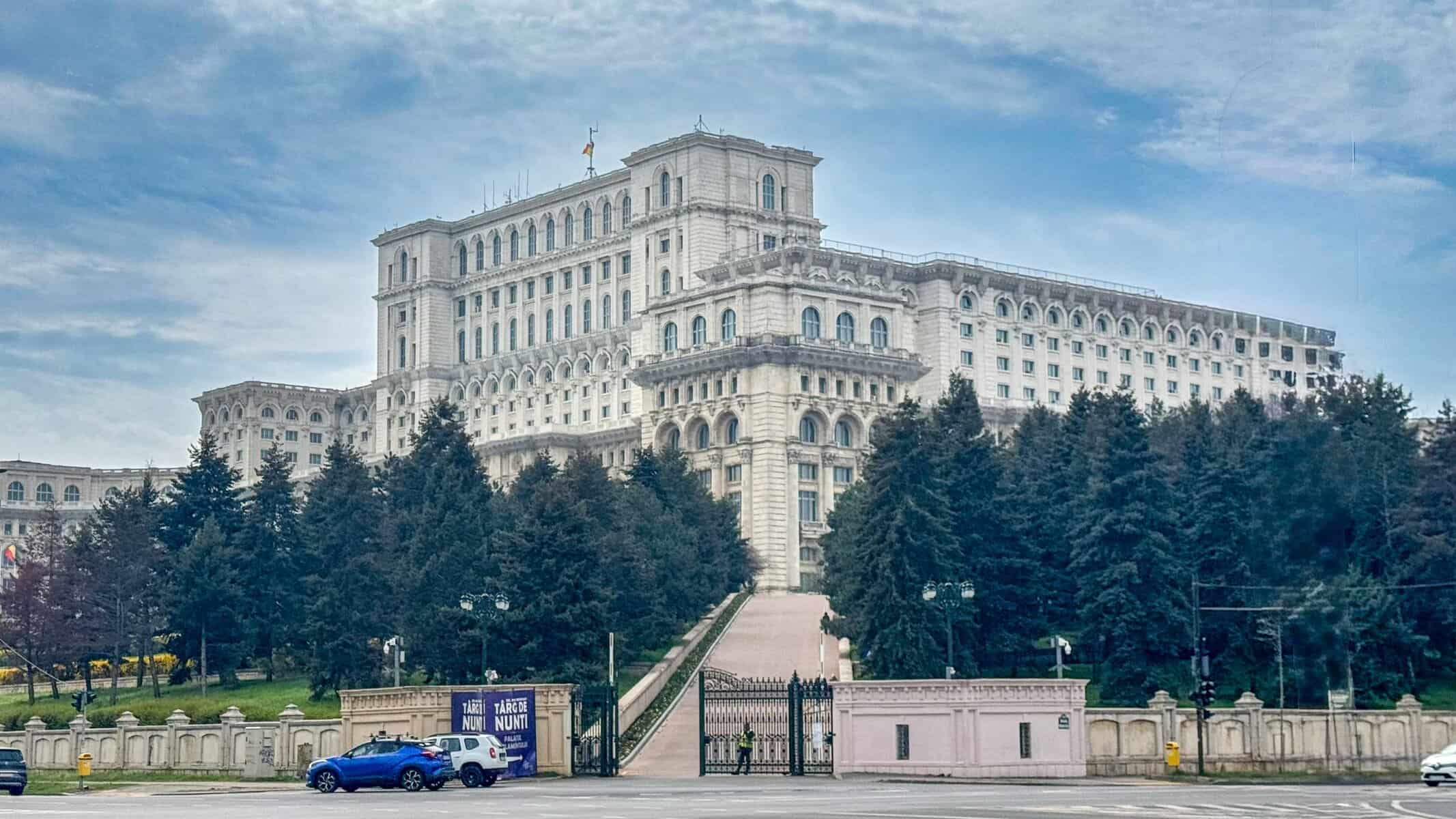
9 Best Things to Do in Bucharest for First-Time Visitors
Freedom Years Travel contains affiliate links. If you make a purchase using one of the links below, we may receive compensation at no extra cost to you. We only recommend products and services we use and trust. Read our disclaimer for more information.
When I first planned my trip to Romania, I wasn’t sure whether to spend any time in Bucharest. The online reviews were mixed, and it didn’t sound especially appealing. In the end, I allocated two days. My assessment? Bucharest is a city that is utterly fascinating — one of striking contrasts and layered history.
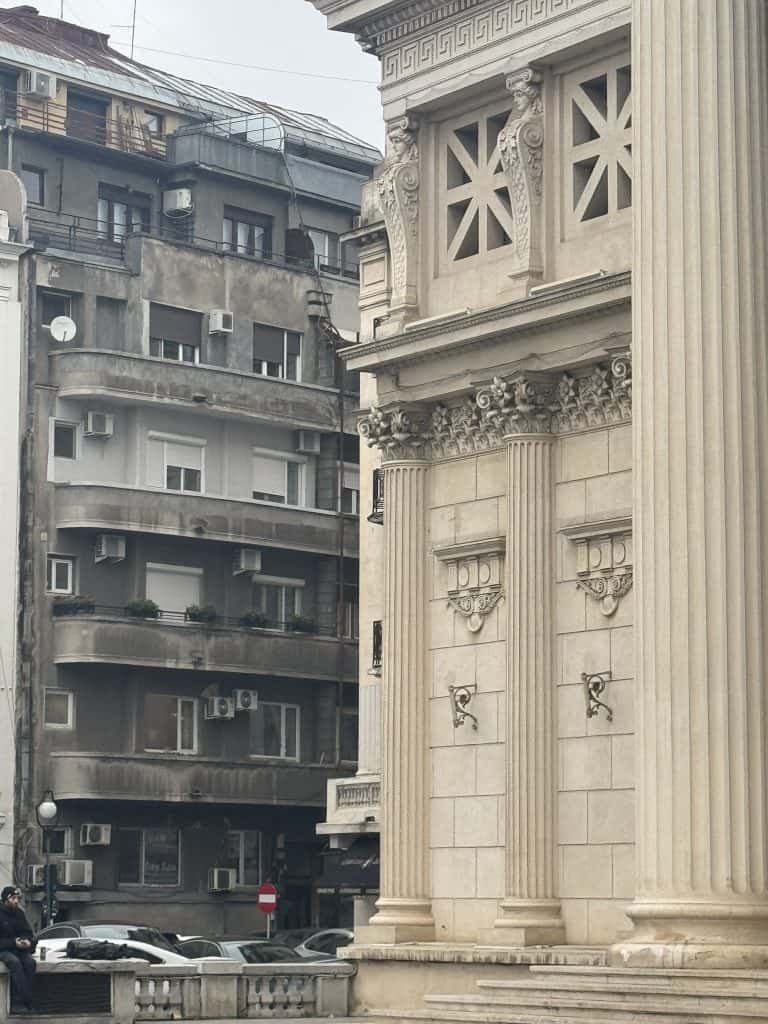
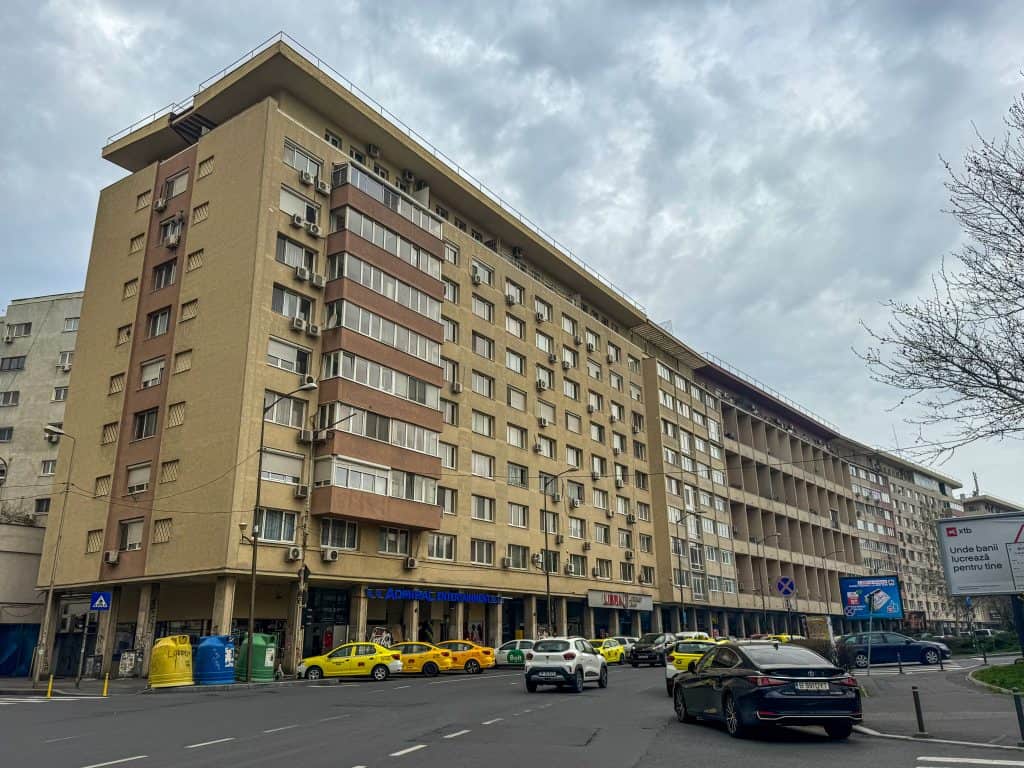
Here you will find beautiful, ornate 19th-century buildings standing beside grey, imposing blocks from the post World War 2 communist era — a reflection of how much the city has changed and endured.
In this post, I’ll share the best things to do in Bucharest — from exploring its historic heart and architectural landmarks to uncovering stories from its communist past.
If you’re still deciding, you can read my full thoughts on whether Bucharest is worth visiting.
If you’re planning a broader trip, my Romania travel guide for first-time visitors gives a clear overview of how to structure your itinerary.
1. Wander Through Bucharest’s Old Town (Lipscani)
Bucharest’s Old Town, or Lipscani, is a mix of history and everyday city life. It’s full of Belle Époque elegance, faded grandeur, and a few rough edges that give the area its character. Many ornate 19th-century façades were built during Bucharest’s “Little Paris” era, when King Carol I brought French architects to add grandeur to the city. These elegant buildings often sit beside stark Communist-era, graffiti covered blocks.
Strada Stavropoleos is one of the most atmospheric streets in Old Town Bucharest. Along this stretch, you’ll find Caru’ cu Bere, the 19th-century beer hall with Neo-Gothic interiors and traditional Romanian food and the Stavropoleos Monastery, an 18th-century Orthodox church with carved columns, frescoed walls, and a peaceful courtyard. The street ends at the CEC Palace, a grand Beaux-Arts building completed in 1900. It sits directly beside a mirrored glass skyscraper — a prime example of the city’s blend of old and new.
One of the best things to do in Bucharest Old Town is visit the Muzeul Micul Paris (Little Paris Museum). Housed in a restored 19th-century townhouse, it showcases period rooms, vintage photographs, and elegant Art Nouveau décor. Locals highly recommend it, and it’s consistently rated as one of the city’s top small museums. Even if you don’t go inside, knowing this history adds context to Lipscani’s streets and buildings.
Despite its lively nightlife and occasional rough edges, Lipscani remains the best place to experience what makes Bucharest unique.
If you’re deciding where to base yourself, my guide to where to stay in Bucharest for first-time visitors breaks down the best areas.

🚶♀️ Explore Lipscani with a Local
See Old Town with a knowledgeable guide – ideal for first-time visitors who want context and local tips.
2. Tour the Palace of the Parliament
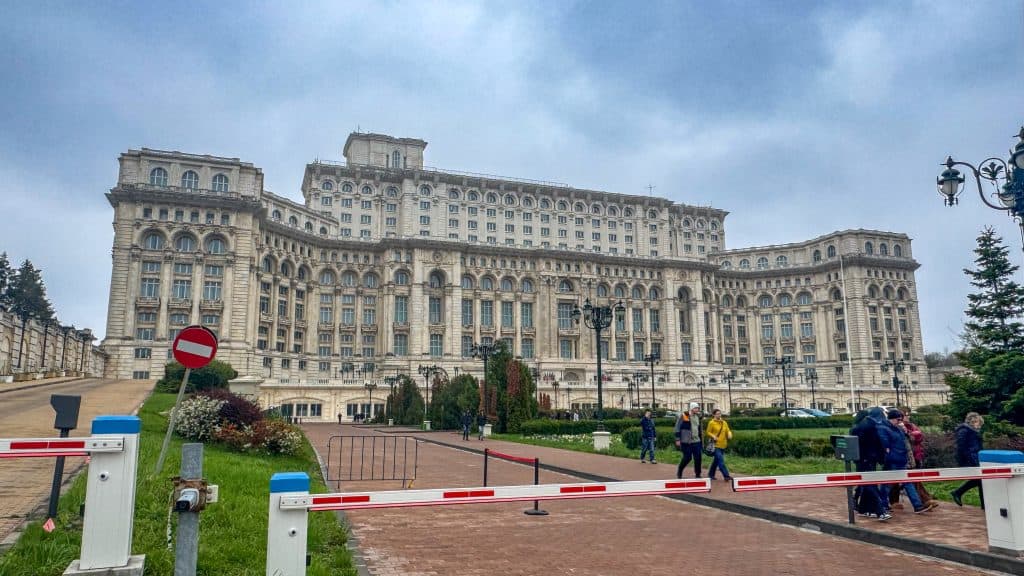
A visit to Bucharest wouldn’t be complete without seeing the Palace of Parliament — the world’s second-largest administrative building after the Pentagon, and the heaviest structure on Earth. Covering 365,000 square metres and weighing over four million tons, it’s one of the most extraordinary legacies of Romania’s Communist era.
I’d planned to book tickets directly through the Palace’s official website, but by the day before my intended visit, all were sold out. The only option was to reserve through GetYourGuide, which required that we meet at a nearby tourist office. From there, we were escorted to the entrance and handed over to a Palace guide. Passports are mandatory, and everyone passes through airport-style security — as this remains an active government building.
📌 Book Your Palace of Parliament Tour: Secure your spot via Get Your Guide and enjoy a guided visit without the hassle.
Over 100,000 workers and 700 architects contributed to its construction, many working under punishing conditions. Entire neighbourhoods — including churches, synagogues, and thousands of homes — were demolished to make way. Today, the building houses Romania’s Parliament, grand state rooms, and even a network of tunnels and a nuclear bunker reportedly intended for Ceaușescu’s escape.
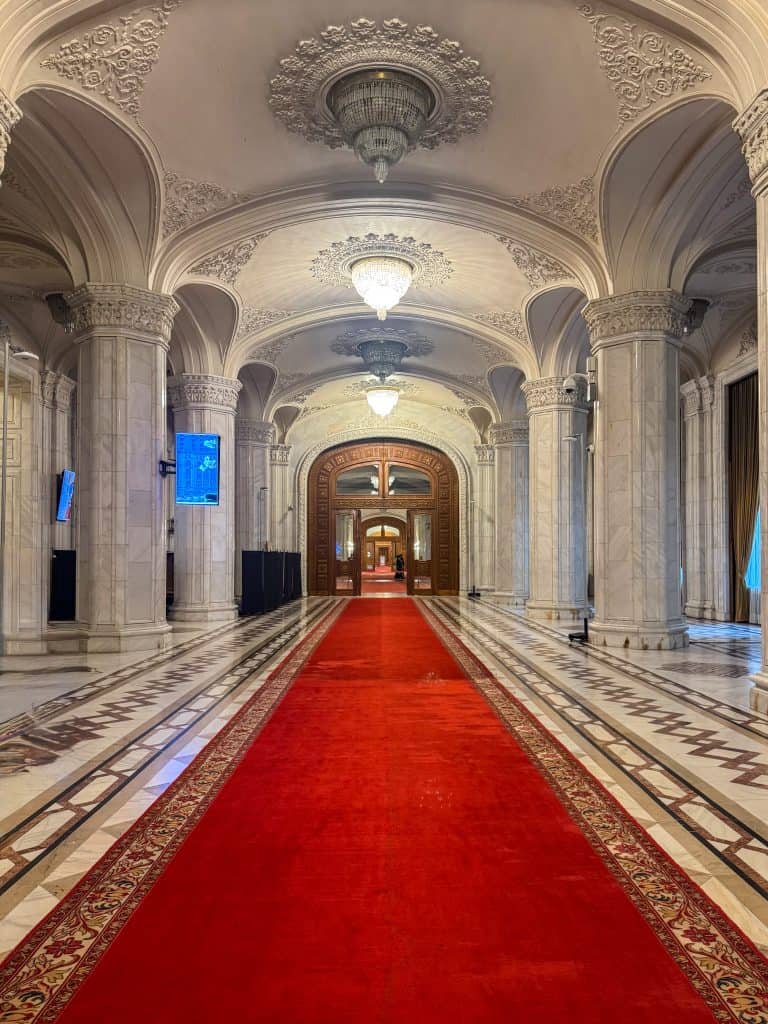
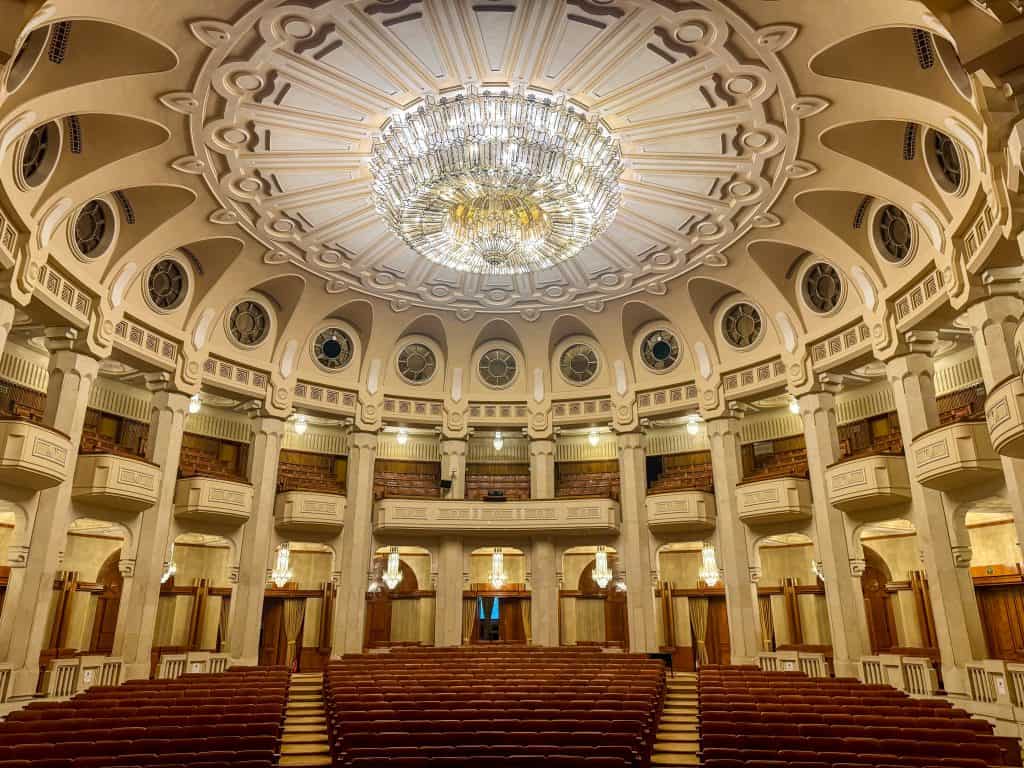
Inside, the grandeur is astonishing. Apart from two materials, everything was sourced from within Romania — marble, oak, silk, crystal chandeliers, and vast handwoven carpets. Only green marble from Iran and mahogany from Madagascar were imported. The craftsmanship is exceptional, and during the one-hour tour we covered just 6% of the building, walking about a kilometre and climbing roughly a hundred steps.
What struck me most was how impressive the building is, yet how unsettling it feels once you understand its history. The sheer scale and craftsmanship are remarkable, but it’s impossible to forget that it was built at a time when ordinary Romanians were struggling with food shortages, power cuts, and poverty.
Practical Tips for Visiting the Palace of Parliament
- 🎟️ Tickets: Book online in advance if possible.
- 🛂 Security & ID: Bring your passport. Security screening is mandatory.
- ⏱️ Tour Duration: Approximately 1 hour.
- 🌅 Best Time to Visit: Early morning tours are quieter; weekends see larger groups.
- ♿ Accessibility: Many stairs; limited accessibility for mobility-impaired visitors.
- 📱 Photography: Mobile phones are generally allowed; tripods and professional cameras usually prohibited.

3. Learn About Romania’s Communist Past
During Nicolae Ceaușescu’s rule, Romania experienced one of Europe’s most oppressive communist regimes. The legacy of that era still shapes Bucharest today, and there are several ways to explore what life was like behind the Iron Curtain beyond the Palace of Parliament.
Communism Walking Tour
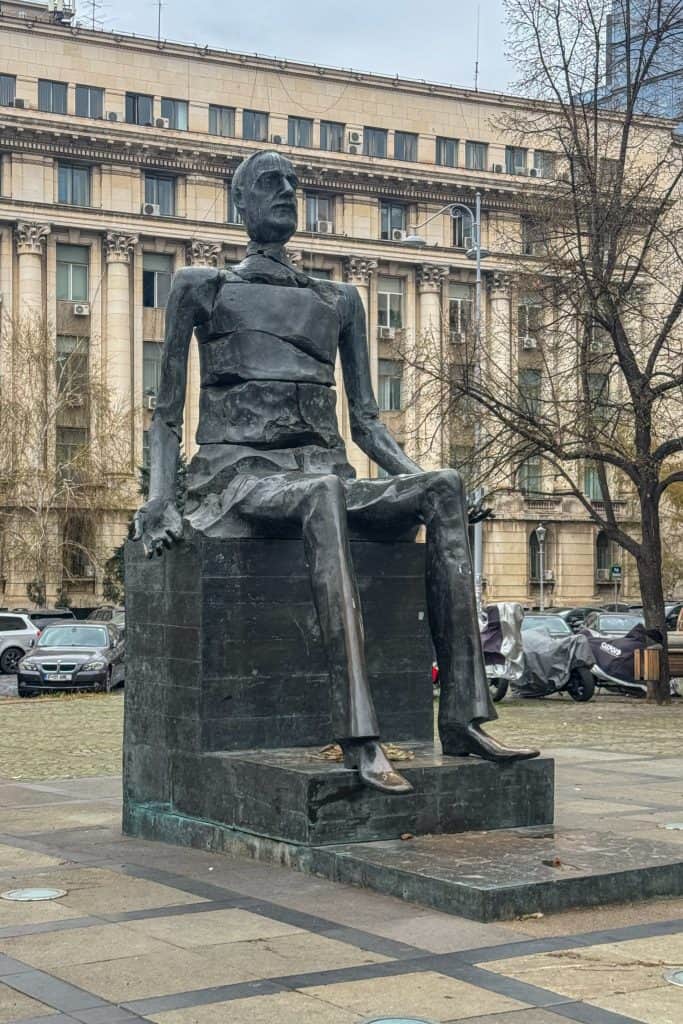
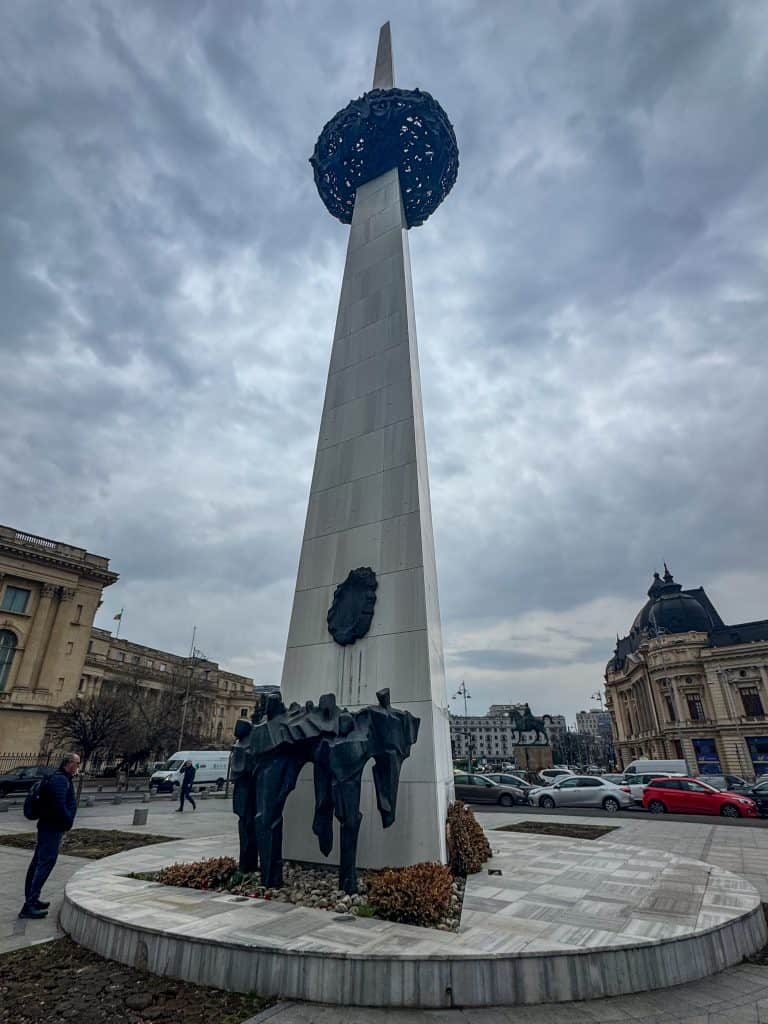
I joined one led by Ana, who was just seven years old during the 1989 revolution. We began in Revolution Square, in front of the former Central Committee of the Romanian Communist Party — the building where Ceaușescu delivered his final speech on December 21, 1989. From that balcony, he tried to calm a furious crowd, but the speech instead sparked open revolt. Within days, the regime collapsed, and Ceaușescu and his wife were executed on Christmas Day.
The morning of our tour was bitterly cold, just 3°C, and that freezing wind somehow made Ana’s stories even more powerful. It was hard to comprehend how people endured winters like that without reliable heating or electricity. She described queuing for hours for bread and milk, the constant shortages, and the fear that came with knowing one in ten people might be informers. Even conversations at home had to be guarded, as no one could be certain who was listening.
As we walked through the city, past buildings still pocked with bullet holes, it was hard not to be moved by her stories — family memories of a time when daily life was defined by control, scarcity and fear.
🚶♀️ Book the Communism Walking Tour
Learn about Romania’s revolution and hear first-hand stories from local guides who lived through it.
Check availability here.
Spring Palace
The Spring Palace (Palatul Primăverii), in Bucharest’s Primăverii neighbourhood, was the private residence of Nicolae and Elena Ceaușescu from 1965 until 1989. It’s now open to visitors on guided tours that reveal how Romania’s former leaders lived — surrounded by marble staircases, crystal chandeliers, silk walls, and polished timber, almost all sourced from within the country.
It’s a fascinating place to visit, though also unsettling when you consider the contrast between this luxury and the hardships faced by ordinary Romanians at the time. And a clear reminder of how corruption can thrive under unchecked power.
Museum of Communism
The Museum of Communism (Undeva În Comunism) consistently earns great reviews for its engaging, down-to-earth approach to a complex period of Romania’s history. Through everyday objects, photographs, and recreated apartment interiors, it shows what life was like under the Ceaușescu regime in the 1970s and 80s — from the furniture and propaganda posters to the limited television schedule.
If I’d had an extra day in Bucharest, this would definitely have been on my list. The museum also offers the option to book dinner in its recreated communist-era apartment, a unique way to experience the atmosphere while supporting a creative independent project.
🍽️ Dinner at the Museum of Communism
For a memorable evening in Bucharest, you can dine in a recreated communist-era apartment at the Museum of Communism. Period décor and traditional dishes bring Romania’s recent history to life. Book your dinner experience here.
4. Step Inside Bucharest’s Orthodox Churches
Romania is one of the most religious countries in Europe, with around 85% of people identifying as Orthodox Christian. Faith still plays a major role in daily life, which is clearly visible in Bucharest’s many churches.
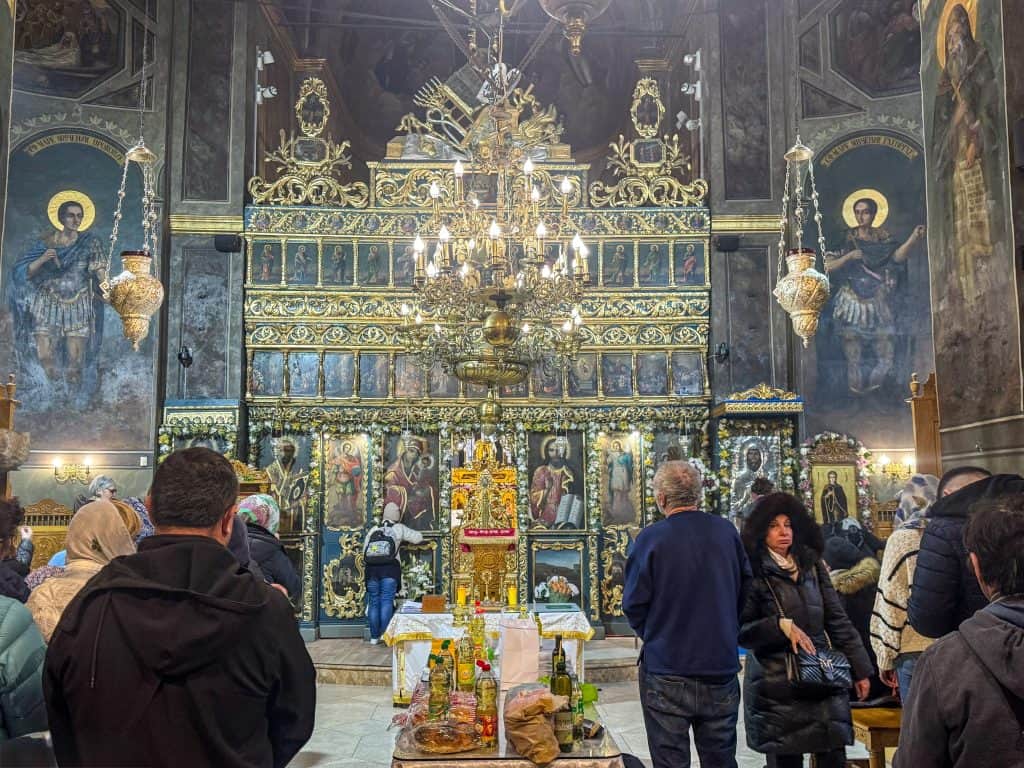
When I stepped inside one for the first time, I was taken aback by the opulence and beauty — chandeliers, intricate icons, gilded fittings, and polished woodwork that reflect remarkable craftsmanship. It’s immediately clear how central faith is to Romanian life. Women in headscarves light candles and pray quietly, while visitors stand respectfully at the back, taking in the atmosphere.
Among the most memorable is Stavropoleos Monastery (Mănăstirea Stavropoleos) in the Old Town. Built in the early 1700s, this small church is easy to miss from the outside, but step through the gate and you’ll find a serene courtyard and richly decorated interior covered with frescoes and icons.
Close to Revolution Square, Kretzulescu Church (Biserica Crețulescu) has a more unassuming exterior but an equally striking interior. Its frescoes were restored after the 1977 earthquake, and it’s still an active place of worship — you’ll often see locals stopping by to light candles before work.
A more tucked-away option is Schitul Maicilor Church, once moved from its original site to make way for Ceaușescu’s grand boulevard. When I visited, a few women stood praying quietly — a simple reminder that for many Romanians, faith remains part of everyday life rather than just a Sunday ritual.
5. Enjoy Bucharest’s Café and Food Culture
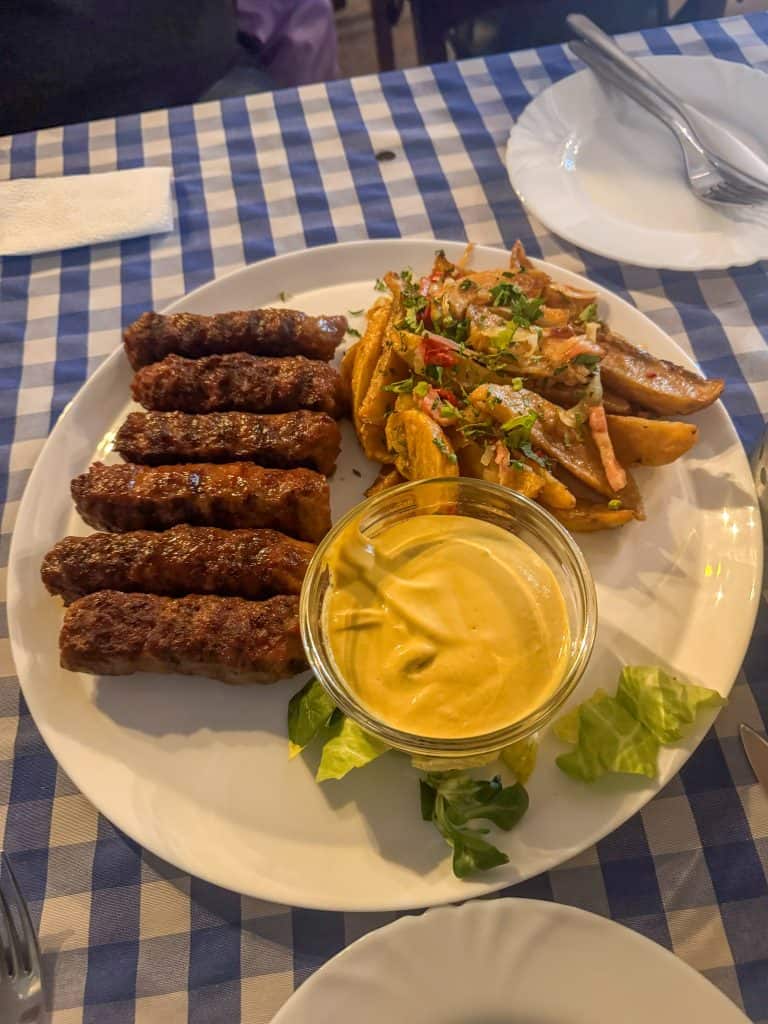
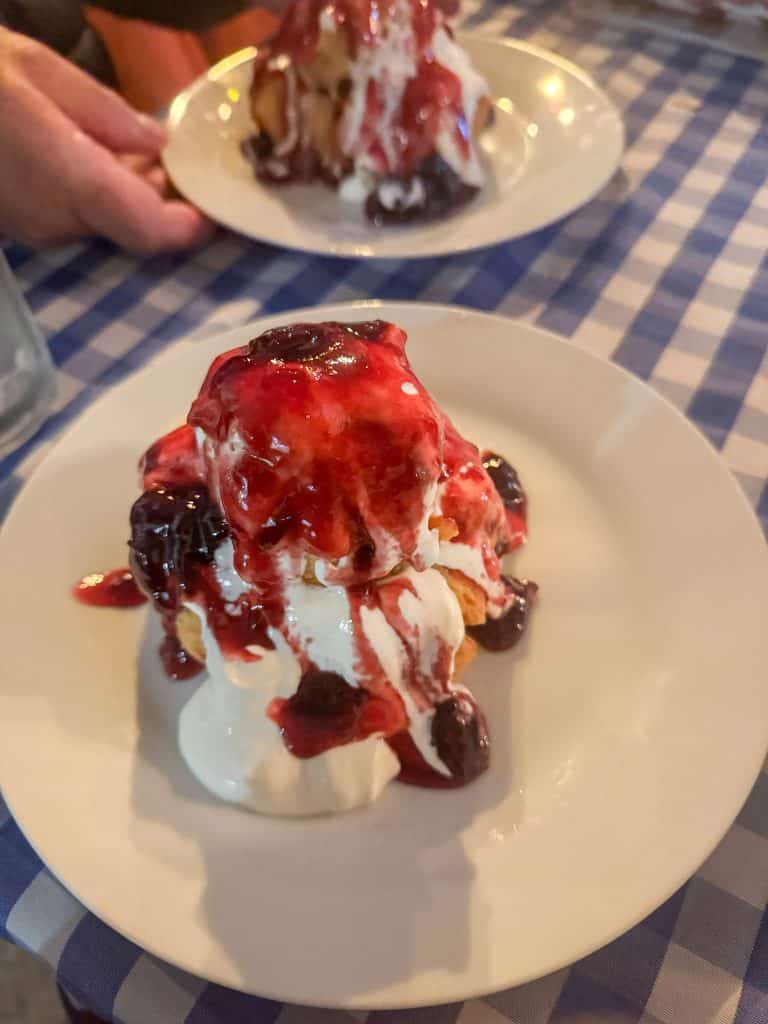
Bucharest has a vibrant café and dining scene where tradition and modern life blend easily. You’ll find elegant patisseries alongside casual beer halls, and menus featuring local favourites such as mici (grilled skinless sausages), sarmale (stuffed cabbage rolls), and papanasi — rich doughnuts with cream and fruit sauce. Portions are always generous!
For a taste of history with your meal, Caru’ cu Bere and Hanu’ lui Manuc are Bucharest institutions. Both are touristy, but worth visiting for their atmosphere and traditional architecture.
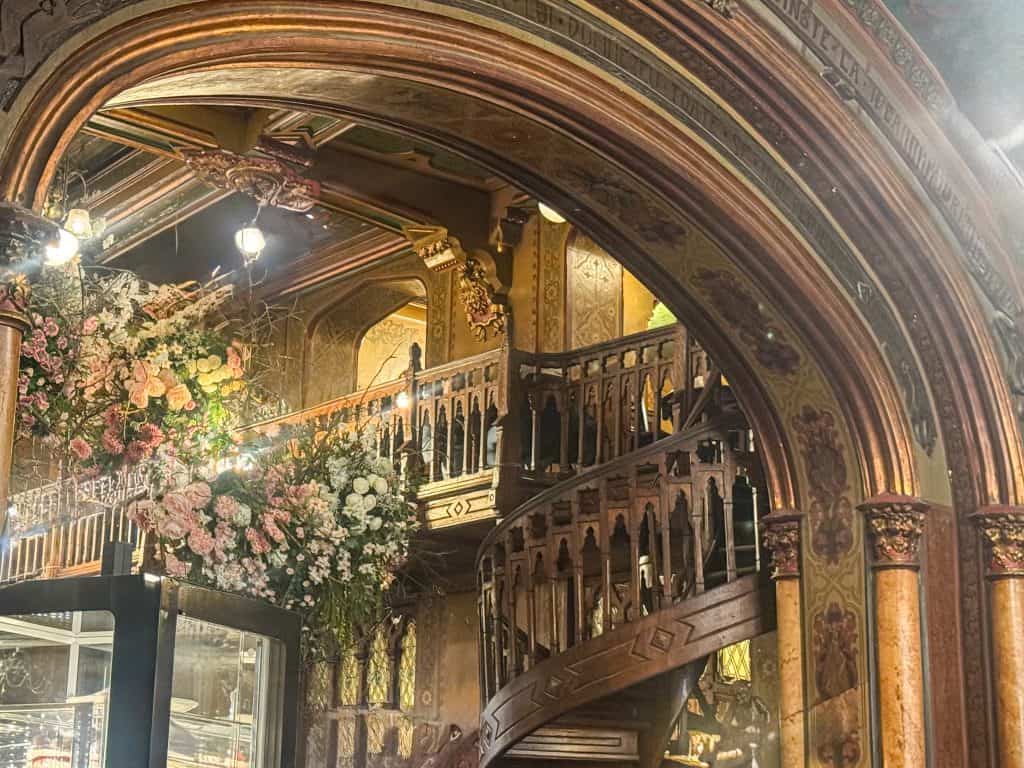
Caru’ cu Bere is particularly striking — all stained glass, carved wood and vaulted ceilings — and features folk music and dancing on certain evenings. It’s extremely popular, so bookings are essential. We couldn’t get a dinner reservation even 28 hours in advance and had to settle for a 3 pm lunch. If you want to dine there in the evening, it’s best to book online before you arrive in Bucharest. Hanu’ lui Manuc, housed in one of the city’s oldest inns, is another good choice.
To really understand Romanian food — and the country behind it — I’d recommend joining a Bucharest Food Tour. Ours was hosted by Dan, a former journalist and natural storyteller, who gave a fascinating insight into Romania’s history, culture and daily life. We were also joined by his wife, Patrice and conversation flowed easily, ranging from life under communism to modern Romania’s issues and identity.
It was one of those special travel experiences where you come away with more than good food and a full stomach — you gain a genuine connection and understanding of a country through its people.
For an idea of how affordable dining in Bucharest can be, see my guide to Romania Travel Costs.
🍽️ Discover Bucharest Through Its Food
Join a Bucharest Food Tour for an evening of great food, conversation, and insight into Romanian culture.
6. Visit the Romanian Athenaeum
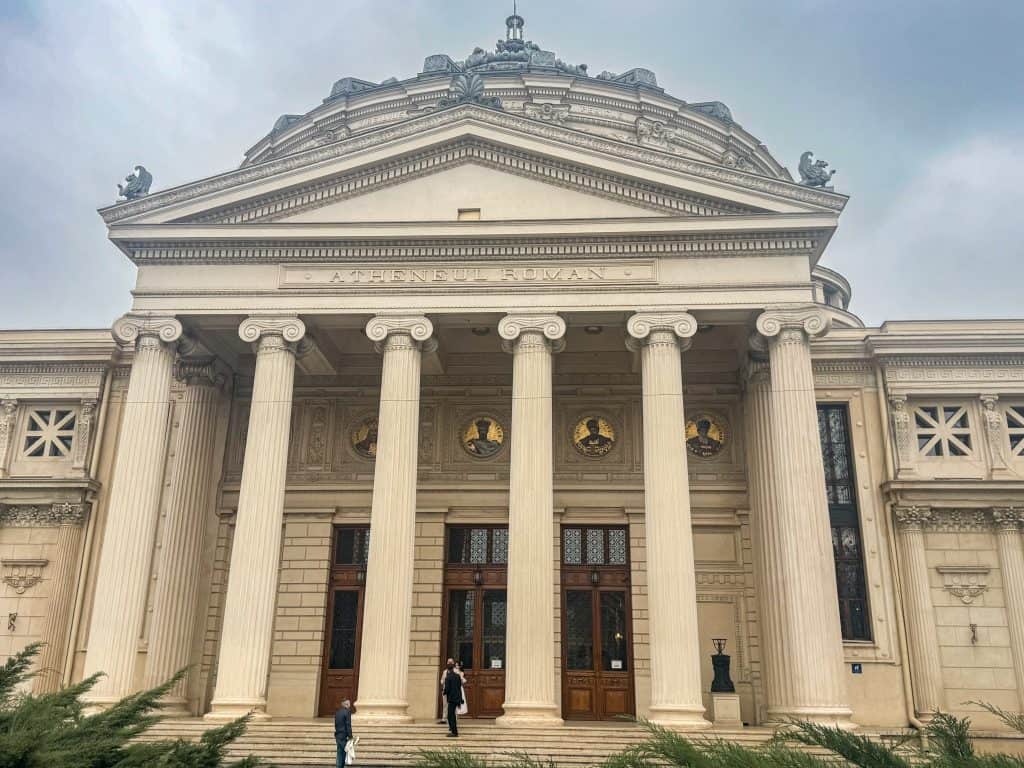
The Romanian Athenaeum (Ateneul Român) is one of Bucharest’s most iconic landmarks. Completed in 1888, this circular concert hall was funded largely through public donations, under the slogan “Give a penny for the Athenaeum.” Today it’s home to the George Enescu Philharmonic Orchestra and hosts regular classical music performances.
I was awestruck when I first saw the Athenaeum — it’s a breathtaking building even from the outside, with its columned portico, ornate dome, and landscaped gardens. While I didn’t get inside, a virtual tour available online shows the grand staircase, marble columns, and frescoed interior, making it clear why this is a must-see for architecture lovers and classical music fans alike.
Tickets for concerts and guided tours are very affordable, and attending a performance offers a memorable, atmospheric experience. When no events are scheduled, short guided visits are usually available, though opening hours can vary.
🎼 Private Romanian Athenaeum Walking Tour
Explore the Romanian Athenaeum with a knowledgeable guide on this highly-rated private walking tour. Discover its history, architecture, and hidden details that make it a Bucharest must-see.
7. Explore Calea Victoriei
To get a sense of why Bucharest was once called the “Little Paris of the East,” take a walk along Calea Victoriei. This historic boulevard runs through the city centre and is lined with impressive façades and elegant hotels that hint at Bucharest’s pre-war glamour. It’s one of the most atmospheric areas to explore on foot, especially for first-time visitors.
Many of the 19th-century buildings still retain their Belle Époque charm, even as they share the street with stark reminders of the communist era. The CEC Palace, with its ornate dome and glass-roofed atrium, sits directly beside a sleek modern tower — a striking example of the contrasts that define Bucharest.
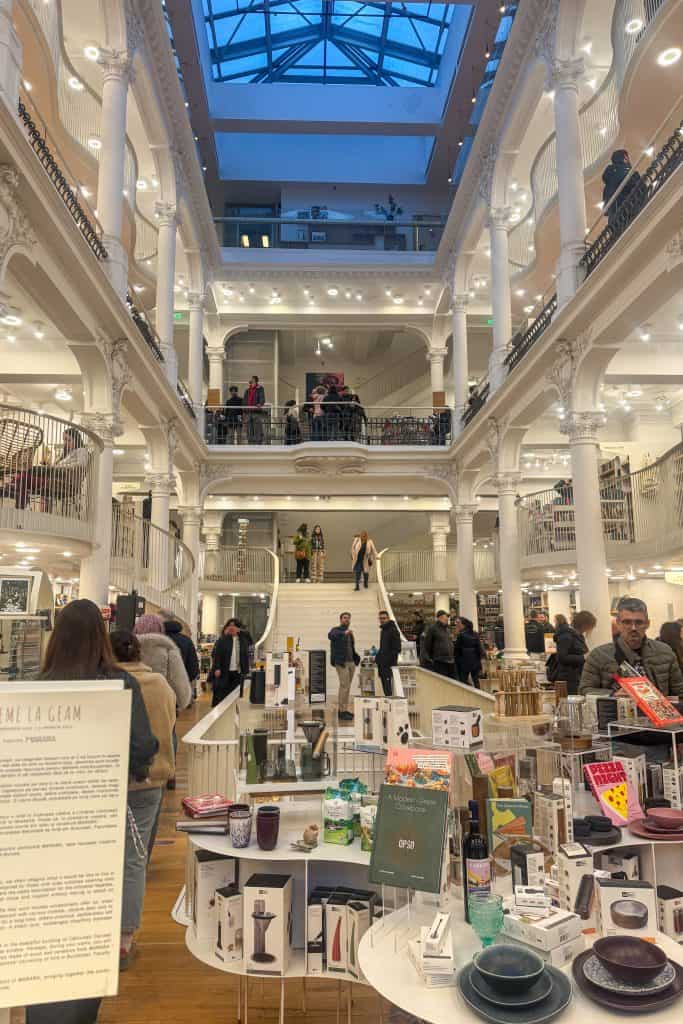
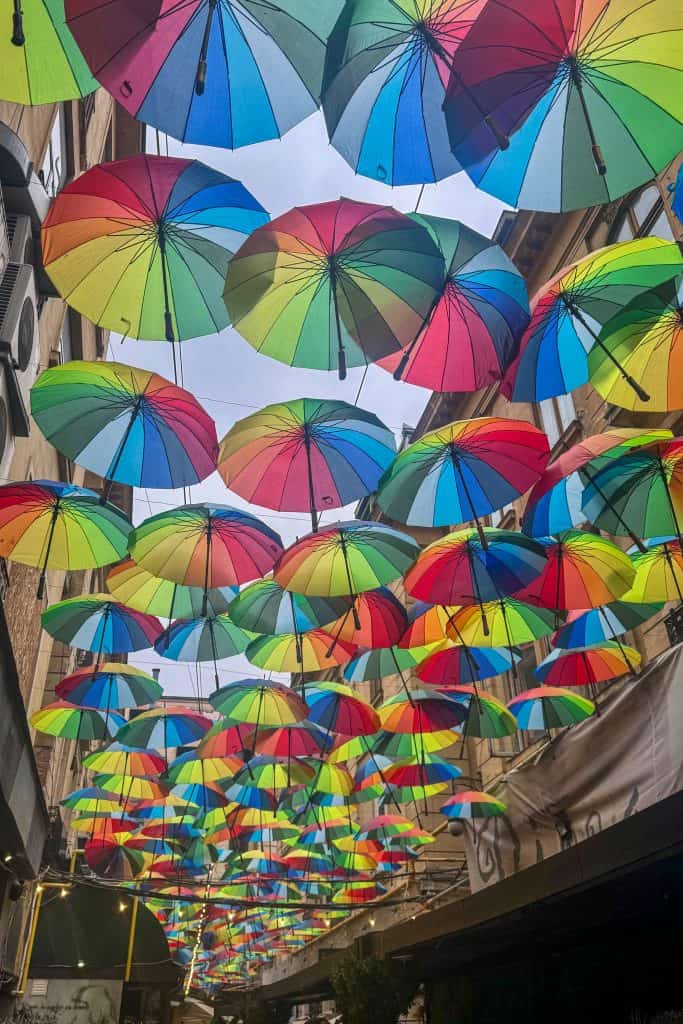
Just off the main boulevard, Pasajul Victoriei, better known as Umbrella Alley, is one of Bucharest’s most Instagrammable spots. Its colourful canopy of umbrellas makes a cheerful photo stop and a good place to stop for coffee or gelato. A few minutes away, Cărturești Carusel, a restored 19th-century bookstore, is equally photogenic, with sweeping white balconies and a spiral staircase that make it a favourite among photographers.
Continue along Calea Victoriei to admire landmarks such as the Romanian Athenaeum, one of Europe’s finest concert halls, and the Royal Palace, now home to the National Art Museum. Between sights, take a seat at a café terrace and watch the world go by — Calea Victoriei is as much about the atmosphere as the architecture.
8. Relax in Bucharest’s Parks and Gardens
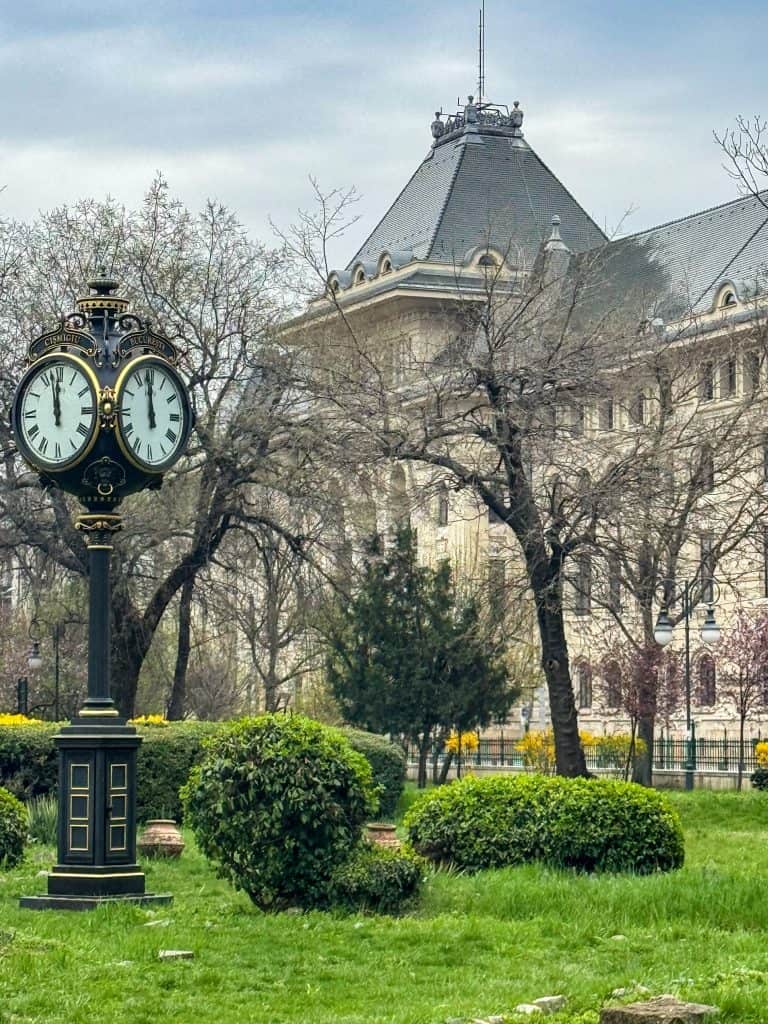
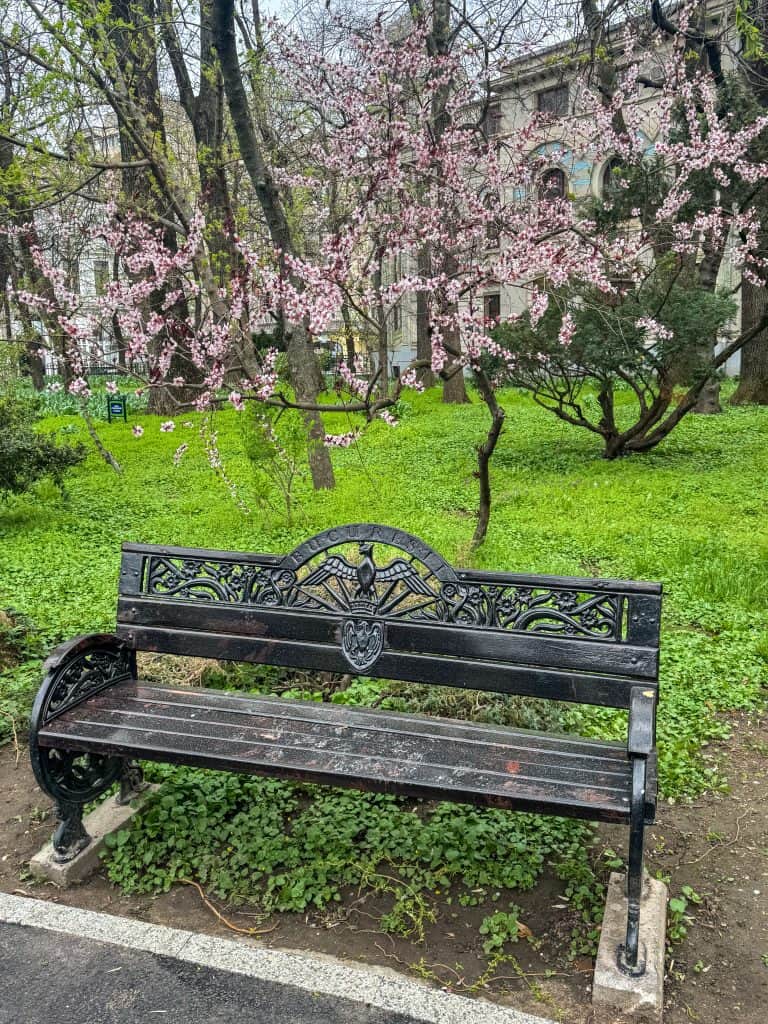
After exploring the city’s grand boulevards and historic landmarks, Bucharest’s parks offer a welcome change of pace. The city is greener than I expected, with broad, leafy spaces that locals use year-round for walks, picnics, and rowing on the lakes.
Cișmigiu Gardens
Cișmigiu Gardens is the most central and one of its prettiest. Designed in the 19th century around a small lake, it’s filled with shady paths, flowerbeds, and old trees that create a calm, slightly nostalgic atmosphere. It’s easy to reach from the Old Town.
Herastrau Park
For something larger, head north to Herastrau Park (officially King Michael I Park), which wraps around Herastrau Lake. Locals come here to cycle, jog, or rent boats in summer, and there are plenty of cafés and restaurants dotted around the shoreline. Inside the park, the Dimitrie Gusti National Village Museum is well worth a visit for a look at Romania’s traditional wooden houses and rural architecture.
Carol Park
Smaller green spaces like Gradina Icoanei and Carol Park are also lovely for a short break between sights. Carol Park is especially popular for its lake, open lawns, and the Monument of the Unknown Soldier. From May to September, the nearby Union Square fountains host an evening light and music show on weekends. I wasn’t in Bucharest at the right time to see it myself, but it’s highly rated by both locals and visitors — definitely something I’d plan for next time.
9. Discover Romanian Heritage: the Village Museum
The Dimitrie Gusti National Village Museum (Muzeul Național al Satului) is one of Bucharest’s most interesting stops for seeing how rural Romania once lived. Located in King Mihai I Park (formerly Herăstrău Park), this open-air collection showcases over 300 authentic buildings—farmhouses, windmills, wooden churches—relocated from across the country.
You’ll find it peaceful and photo-friendly, especially in good weather. Many buildings reflect regional styles—from Maramureș’s tall timber homes to Dobrogea’s thatched cottages—making it a great place to absorb traditional architecture without leaving the city.
Practical notes:
- Not all buildings are open inside; a large number are viewable from the outside only.
- Some information boards are only in Romanian, so if you want deeper insight you might consider a guide or translation app. Guided tours can be booked via the website, at least 72 hours in advance.
- Allow around 2 – 3 hours for a relaxed visit, and pick nice weather if possible.
🌿 Practical Tips for Visiting the Village Museum
- ⏱️ Allow 2–3 hours to explore comfortably.
- 👟 Wear comfortable shoes — paths are gravel and uneven in places.
- 📸 Visit early or late in the day for softer light and fewer crowds.
- 🏞️ Combine with nearby attractions like the Museum of Natural History or Herăstrău Lake.
- 💡 Best enjoyed in spring to early autumn; avoid rainy or very hot days.
Final Thoughts: Discovering Bucharest’s Many Layers
Bucharest is a city that rewards curiosity. It may not be love at first sight, but give it time and you’ll uncover a fascinating mix of contrasts — elegant Belle Époque architecture beside stark, graffiti-covered reminders of its communist past. And there are plenty of unexpected moments of beauty too, often found inside a restaurant, a bookstore, or an Orthodox church.
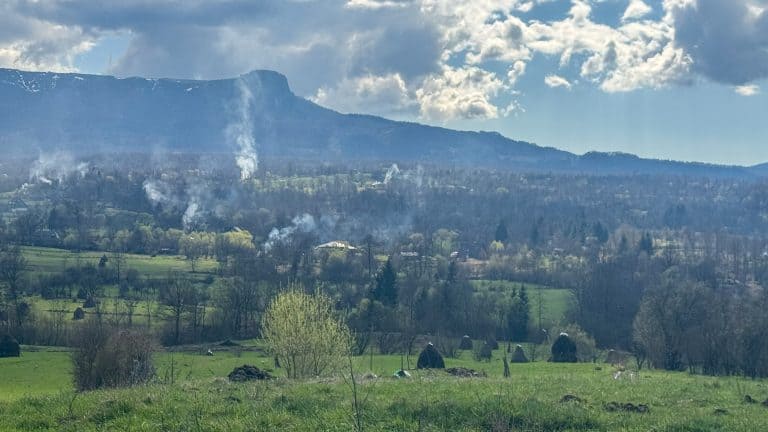
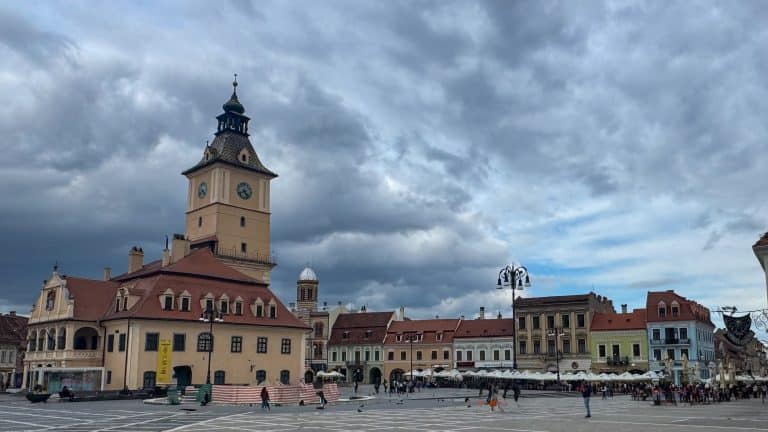
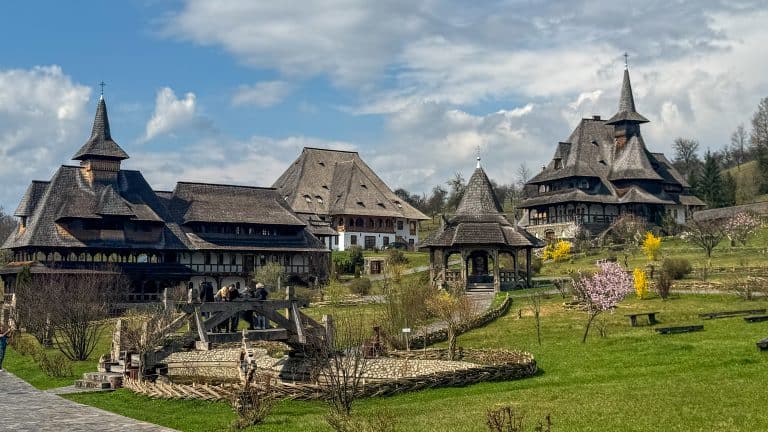
If you’re planning a wider journey through Romania, Bucharest is the ideal starting point. It’s the best place to understand the country’s history before heading north to explore Brașov’s medieval streets, Sighișoara’s UNESCO-listed citadel or the wooden churches of Maramureș.
To help plan the rest of your trip, my Romania road trip itinerary from Bucharest outlines how to structure your route across the country, while my Romania travel costs guide breaks down typical prices for food, transport, and accommodation.
Bucharest may not match the classic European postcard image, but that’s part of what makes it so fascinating — and will likely leave you curious to see what comes next.
FAQs about Things to Do in Bucharest
Bucharest is known for its striking contrasts — elegant Belle Époque buildings alongside stark communist architecture — as well as its lively café culture, grand boulevards, and historic landmarks like the Palace of Parliament and Romanian Athenaeum.
Yes. While it may not charm you immediately, Bucharest reveals its appeal through fascinating history, unexpected beauty, and welcoming people.
Two to three days is ideal to see the main sights, enjoy a food tour, and spend some time in the city’s parks and cafés. Add an extra day for an easy day trip or two.
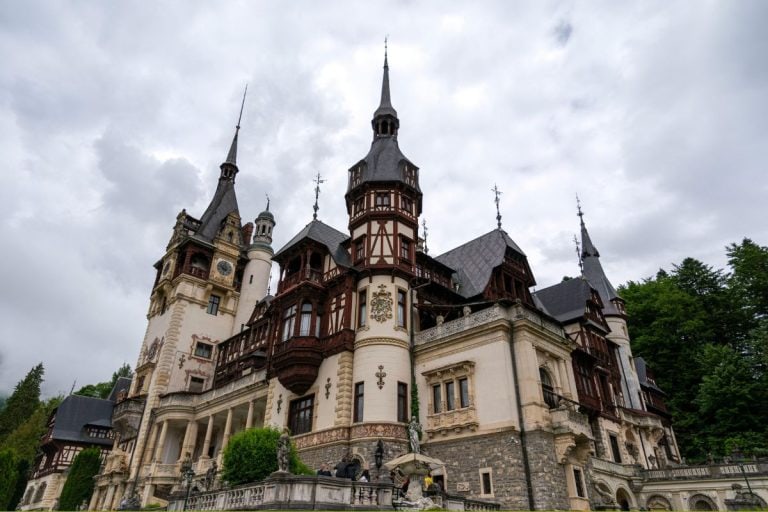
Popular day trips include visiting the fairytale Peles Castle and Bran Castle in Transylvania, or exploring the medieval town of Brașov. Guided tours make these easy without needing a car.
Local favourites include mici (grilled minced meat rolls), sarmale (stuffed cabbage rolls), and papanasi (fried doughnuts with cream and jam). Traditional restaurants like Caru’ cu Bere or Hanu’ lui Manuc are great places to try them.
No. Bucharest offers excellent value compared to Western Europe. Dining, transport, and attractions are affordable — see my Romania Travel Costs guide for details.
Yes. Central Bucharest is generally safe and easy to navigate, though it’s wise to take standard precautions, especially at night or on public transport.
Late spring and early autumn (May–June or September–October) offer pleasant weather and fewer crowds. Summer can be hot, while winter brings a festive atmosphere but chilly temperatures. You’ll find more details in my Best Time to Visit Romania guide.