
Visiting Westerplatte by Pirate Ship: A Unique Gdańsk Day Trip
Freedom Years Travel contains affiliate links. If you make a purchase using one of the links below, we may receive compensation at no extra cost to you. We only recommend products and services we use and trust. Read our disclaimer for more information.
It’s not every day you can stand where a world war began. Westerplatte, just outside Gdańsk, marks the site of the first shots of World War II—fired at dawn on 1 September 1939 in a surprise strike by German forces. Today, it’s a quiet, wooded peninsula where you can explore the ruins and memorials, and reflect on the courage and resilience of the small Polish garrison that faced such overwhelming odds.
On my visit, I reached Westerplatte aboard one of the popular pirate-style ships that sail from the Gdańsk waterfront. It’s a scenic and surprisingly informative way to get there, offering a different view of the city—and a sense of the approach from the water that road access doesn’t quite match.
In this post, I’ll show you how to plan a Westerplatte day trip from Gdańsk, what to expect once you’re there, and why something as simple as reading the information boards in the right order can make all the difference.
Whether you’re a WWII history buff or just looking to explore beyond Gdańsk’s Old Town, this guide will help you make the most of your visit.

Why Visit Westerplatte?
Westerplatte is a small peninsula at the mouth of the Vistula River in Gdańsk, Poland. At 4:45 AM on September 1, 1939, the German battleship Schleswig-Holstein opened fire on a Polish military outpost stationed there—firing the first shots of World War II in Europe.
Fewer than 200 Polish soldiers, held out for seven days against a much larger German force. The defenders faced naval bombardment, air raids, and repeated ground attacks. Their resistance came as a surprise to the Germans, who expected a quick victory. Westerplatte quickly became a symbol of Polish courage in the face of overwhelming force—especially as other parts of the country soon fell under attack.
Today, Westerplatte is one of the most visited historical sites in Gdańsk. Visitors can see the remains of the barracks and guardhouses, a small museum, and a 25-metre monument commemorating the defenders. The site also includes a small military cemetery where some of the fallen defenders are buried.
The site’s setting—on a wooded peninsula between the river and the sea—is surprisingly calm, a stark contrast to the brutal events that occurred here. For those interested in World War II history, it offers a chance to stand where the war began and reflect on the resilience of those who held out far longer than expected.

Planning Your Visit
How to Get There
Pirate Ship
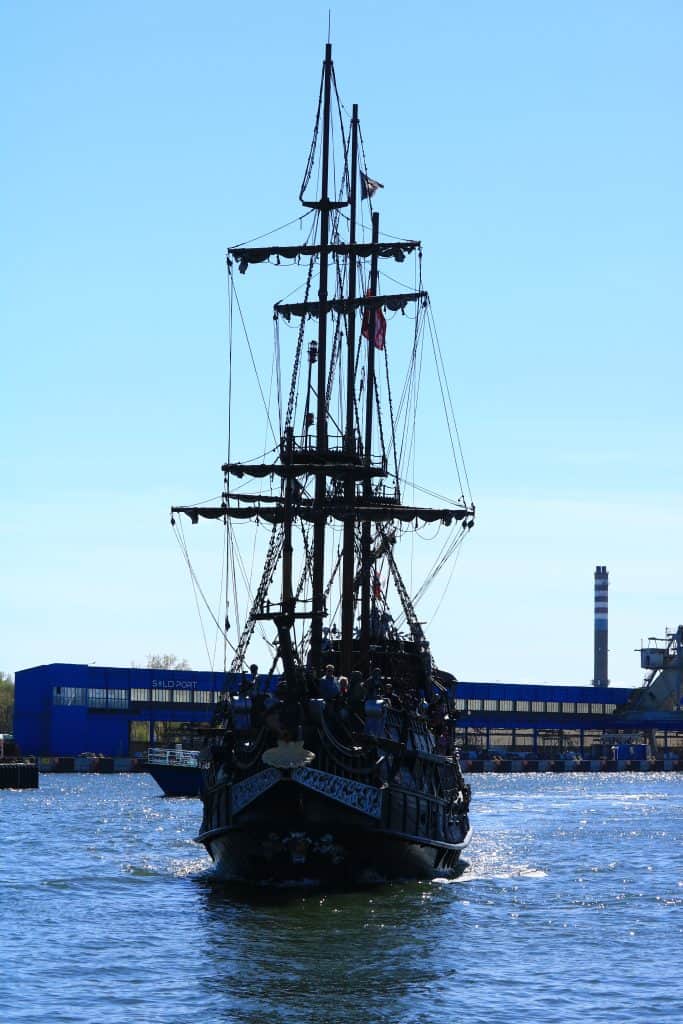
Westerplatte lies just a few kilometres from the centre of Gdańsk and is easily reached by water, road or public transport. The most popular—and most scenic—option is to take a pirate-style excursion ship from the Gdańsk waterfront. These replica galleons depart near the Green Gate (Zielona Brama), sailing along the Motława River and port areas before reaching Westerplatte. The journey takes about 45 minutes each way.
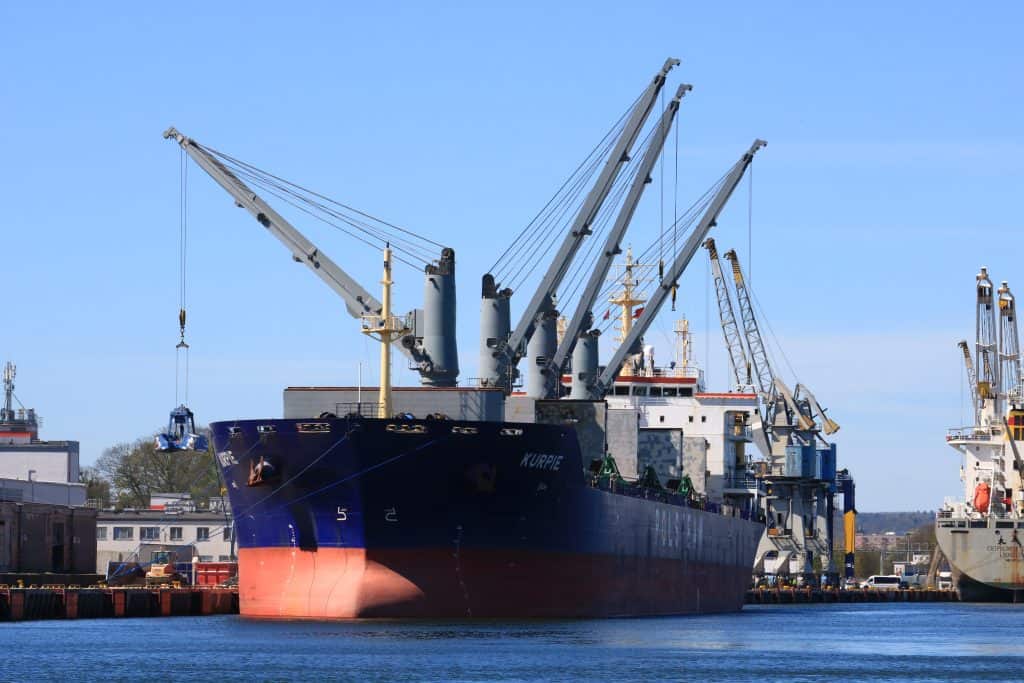
It’s a relaxing, entertaining way to travel, with views of Gdańsk’s shipyards and port infrastructure along the way. Some boats include a guide or recorded commentary, though it varies by operator. Just be aware that the ships can get busy, especially in summer. (See my practical tips below.)
Public Transport or Taxi
Alternatively, you can reach Westerplatte by bus or taxi in about 15–20 minutes. Bus 106 runs from the main station (Gdańsk Główny) to a stop near the entrance. If you’re short on time or prefer more independence, this might suit you better—but you’ll miss the unique perspective of arriving by water.
Admission & Hours
The outdoor historical site, including the Monument to the Defenders of the Coast and the ruins of the barracks and guardhouses, is open to the public without an admission fee. It can be visited year-round, and there are no entry restrictions, though some paths may be closed during maintenance or bad weather.
How Long to Spend
Plan for 1.5–2 hours at Westerplatte, depending on how much you want to explore and read the information boards. Two hours works well if you’re taking the pirate ship and want to avoid feeling rushed.

Walking Route & Tips
The trail through Westerplatte is mostly flat and follows a straightforward path from the landing point or entrance to the large Monument to the Defenders of the Coast. For the best experience, follow the information boards in chronological order—they tell the story from Westerplatte’s days as a spa retreat to the garrison’s surrender. Look for the numbers on each board to keep the narrative in sequence.
If you arrive by boat, you can cross the road to continue alongside the ocean toward the monument. The first information board will appear on your left as you approach.
Some areas, particularly around the ruins, have uneven surfaces, so comfortable walking shoes are a must. The peninsula can be exposed to cold winds off the river and sea, so bring something warm even on sunny days. Sunscreen or a hat is also recommended if it’s bright.
Facilities at Westerplatte
Toilets are available, though they are portable-style units rather than permanent facilities.
During the warmer months, you’ll also find snack and drink stalls near the monument. These are basic but convenient, especially if you haven’t brought water or something to eat.
⛵ Tips for Taking the Pirate Ship to Westerplatte
Taking the pirate ship is a great way to get a different perspective on Gdańsk and its shipyards while heading out to Westerplatte, with commentary provided on the way and music played on the return trip. Check schedules and book your tickets here.
- Arrive at least 30 minutes before departure to get a good spot on the upper deck. The views are much better, though it can be chilly.
- Upper deck recommended – The lower deck has plastic sheeting that limits visibility. Recorded commentary is available on board, but it can be a little difficult to hear from below.
- Return trip timing – When you check in, you’ll be asked what time you want to return. It’s best to request a sailing about two hours after your arrival at Westerplatte to give yourself plenty of time to explore.
- Snacks and drinks are available on board.
- Bring comfortable shoes—there’s walking once you arrive.

What to See on Westerplatte
Barracks and Guardhouses
The ruins of the barracks and guardhouses show where the Polish defenders held out against overwhelming German forces, giving a sense of the battle’s scale. Subjected to aerial bombardment, naval artillery, infantry, and armored units, Westerplatte is one of the earliest examples of Germany’s blitzkrieg tactics in action. Walking among these remnants, you can imagine the intensity of the fighting and the challenging conditions faced by the garrison.
Information Boards
Along the path, information boards cover a wide range of topics—from Westerplatte’s earlier history as a seaside resort and health spa, to the origins and unfolding of World War II, and finally to detailed accounts of the battle itself.
Each of the men who lost their lives is also profiled, adding a human dimension to the story. Following the boards in chronological order helps visitors understand the seven-day defense and appreciate its significance.
Monument to the Defenders of the Coast
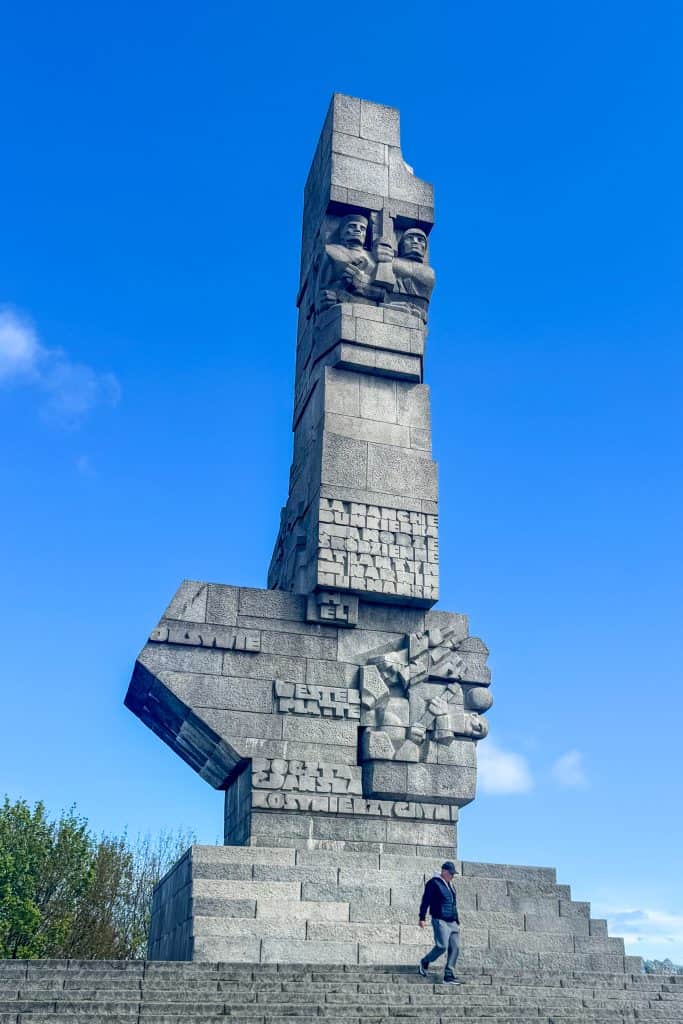
The 25-metre monument is a jagged granite structure designed to resemble a bayonet thrust into the ground. It is the most visible landmark on the peninsula, commemorating the courage of the defenders and providing a striking photo opportunity.
Military Cemetery
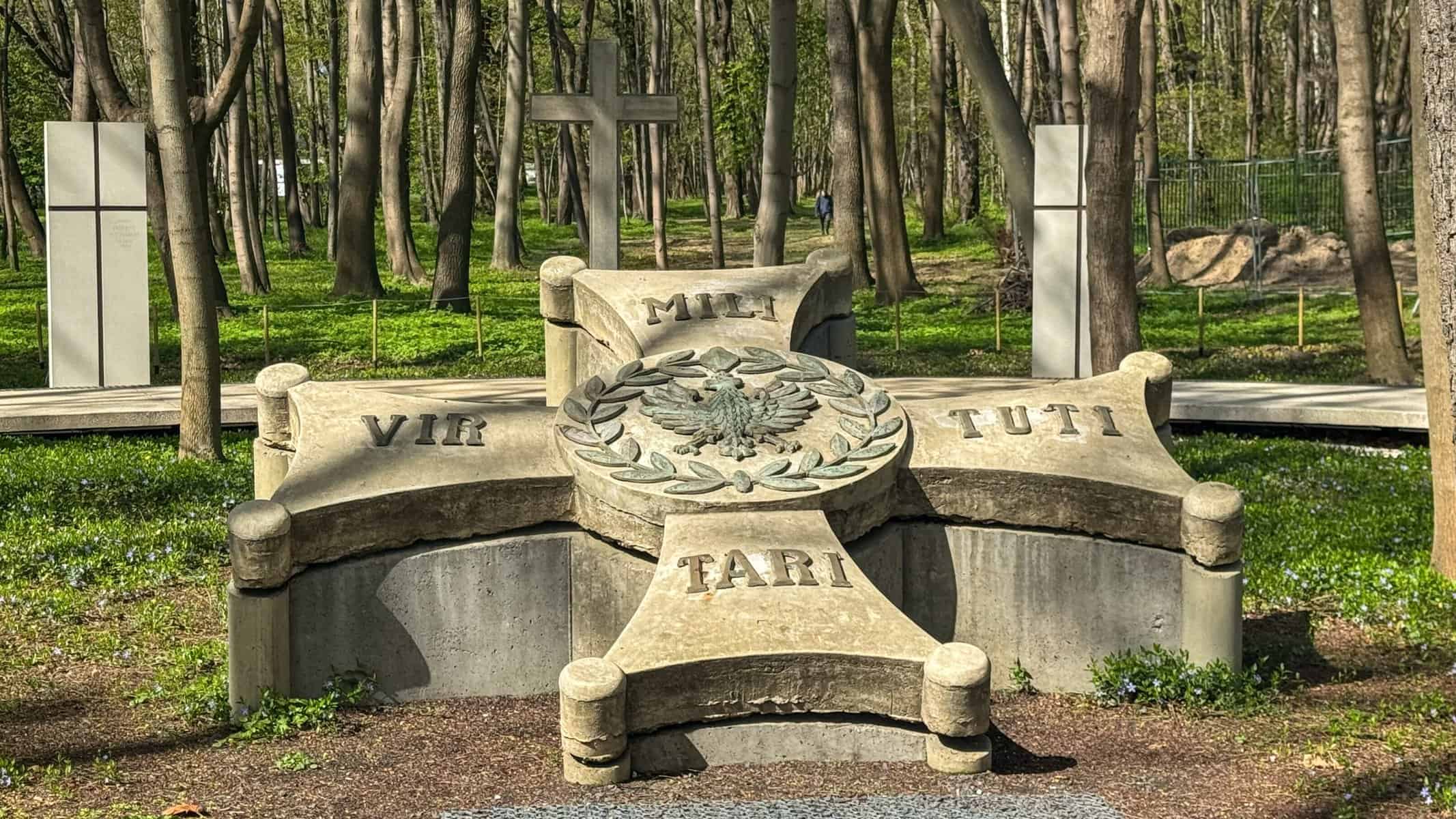
The small cemetery contains the symbolic graves of some of the fallen soldiers, offering a place to see and remember those who gave their lives defending Westerplatte.
Westerplatte Tours with Expert Commentary
If you’re a World War II history buff, a guided tour of Westerplatte is a great way to deepen your understanding of what happened here. While the on-site information boards are informative, nothing compares to the insight and storytelling a live guide can offer—especially when they’re a local historian with a passion for the subject.
If I were doing it again, I’d go with a guided tour. Exploring on my own was interesting, but I think having a guide would’ve brought the whole story together more clearly—and added more of the human side that’s harder to get from signs alone.
- Westerplatte Private Tour led by Expert Guide (door to door)
Includes hotel pickup & return and a guided tour of Westerplatte.
🕒 Duration: Approx. 2.5 hours - Gdańsk: World War II Tour
If you want to go deeper, this private tour includes Westerplatte plus other key WWII sites around Gdańsk. Includes hotel pickup and an English-speaking guide.
🕒 Duration: Approx. 3.5 hours - Private WW2 Tour of Westerplatte, Gdansk and Stutthof Including Lunch
Ideal for WWII history enthusiasts, this comprehensive private tour delves into key sites including Stutthof Concentration Camp, Westerplatte, and Gdańsk’s Old Town, with commentary from an expert guide.
🕒 Duration: Approx. 6-7 hours
💡If a guided visit is important to you, be sure to reserve your place in advance.
Final Thoughts on Visiting Westerplatte
Westerplatte is a must-visit for anyone interested in World War II history or Polish heritage. Whether you explore independently, take a guided tour, or choose a unique option like the pirate ship, the site offers a powerful and memorable experience.
If you’re looking for a different perspective, the pirate ship trip departs from Gdańsk’s picturesque waterfront and offers a scenic journey down the Motlawa river, passing the city’s famed shipyards.
For more ways to explore Gdańsk, check out my 2-Day Gdańsk Itinerary, discover the city’s highlights in 9 Best Things to Do in Gdańsk, or get a taste of the local cuisine with my Gdańsk Food Tour Review. If you’re planning more day trips, see my Day Trip Options from Gdańsk or visit the impressive Malbork Castle.
FAQs for Visiting Westerplatte
You can reach Westerplatte by bus, taxi, or the scenic pirate ship trip from Gdańsk’s waterfront. The pirate ship is a convenient option and offers a unique perspective of the city as you travel down the Motlawa River.
No. The outdoor historical site, including the Monument to the Defenders of the Coast and the ruins of the barracks and guardhouses, is open to the public free of charge.
You can explore on your own using the information boards along the route. However, a live guide adds context, stories of the defenders, and insight you might miss on your own.
The pirate ship departs from Gdańsk’s waterfront, travels down the Motlawa past the city’s shipyards, and returns to the same pier. It’s a scenic and memorable way to reach the site, with recorded commentary available for history insights.
Plan for around two hours on-site to see the barracks, guardhouses, monument, cemetery, and information boards at a relaxed pace.
Yes, portable toilets are available near the main paths, and there are pop-up stalls selling snacks and drinks along the route to the monument.
The terrain is uneven in places, with paths through sand and grass. Some areas are accessible, but visitors with mobility issues may need assistance.
Highlights include the barracks and guardhouse ruins, the Monument to the Defenders of the Coast, the military cemetery, and the informative boards detailing both the defence and earlier history of the site.
Yes, photography is allowed throughout the site, including the monument, ruins, and surrounding scenery.
Yes, but keep in mind that paths can be uneven. A shorter visit or slower pace may be preferable for those who tire easily.
Morning or early afternoon is ideal for quieter conditions and good lighting for photography.
Pop-up stalls sell light snacks and drinks, and the pirate ship also offers refreshments on board.
Absolutely. Many visitors combine it with Gdańsk Old Town, the WWII Museum or Sopot for a full day of exploration.
It was the site of the first shots of World War II in Europe. Fewer than 200 Polish defenders held out for seven days against overwhelming German forces, inspiring national pride and resilience.
Yes. Many guided tours, including those offered by local operators and the pirate ship, provide commentary in English and other languages.


