Romania Travel Guide for First-Time Visitors: How to Plan Your Trip
Freedom Years Travel contains affiliate links. If you make a purchase using one of the links below, we may receive compensation at no extra cost to you. We only recommend products and services we use and trust. Read our disclaimer for more information.
Romania might not be the most obvious choice for a European itinerary—but after spending 14 days travelling through its cities, villages, and mountain passes, it quickly became one of the most memorable parts of our trip.
This is a country that’s easy to explore independently. You’ll find walkable medieval towns, dramatic mountain scenery, traditions that are still part of everyday life, and a complex recent history that still shapes what you see today. It’s also far more affordable than many parts of Europe—and noticeably less crowded.
What surprised me most was the variety. One day we were exploring grand architecture and communist-era landmarks in Bucharest; the next, driving through forested mountain roads or spending time in rural villages where traditions are still part of everyday life.
In this Romania travel guide, I’ll walk you through everything you need to plan a trip—from where to go and how to structure a realistic itinerary, to practical tips on getting around, costs, and what to expect when you arrive. Whether you’re considering a road trip through Transylvania or adding Romania to a longer European journey, this guide will help you decide if it’s the right fit—and how to make the most of your time.
Romania Travel Essentials
- Language: Romanian (English widely spoken in cities)
- Currency: Romanian Leu (RON)
- Schengen Zone: Partially — no passport checks for flights; land border controls remain
- Voltage: 230V (Type C & F plugs)
- Time Zone: Eastern European Time (EET)
- Driving: Right-hand side
- Cash vs card: Cards widely accepted, but carry some cash
- Tipping: Common in restaurants (around 10%)
How to Plan a Trip to Romania (Start Here)
The first things to consider when planning a trip to Romania are how you’ll get around and how much ground you want to cover.
Where to Go in Romania (And How to Choose)
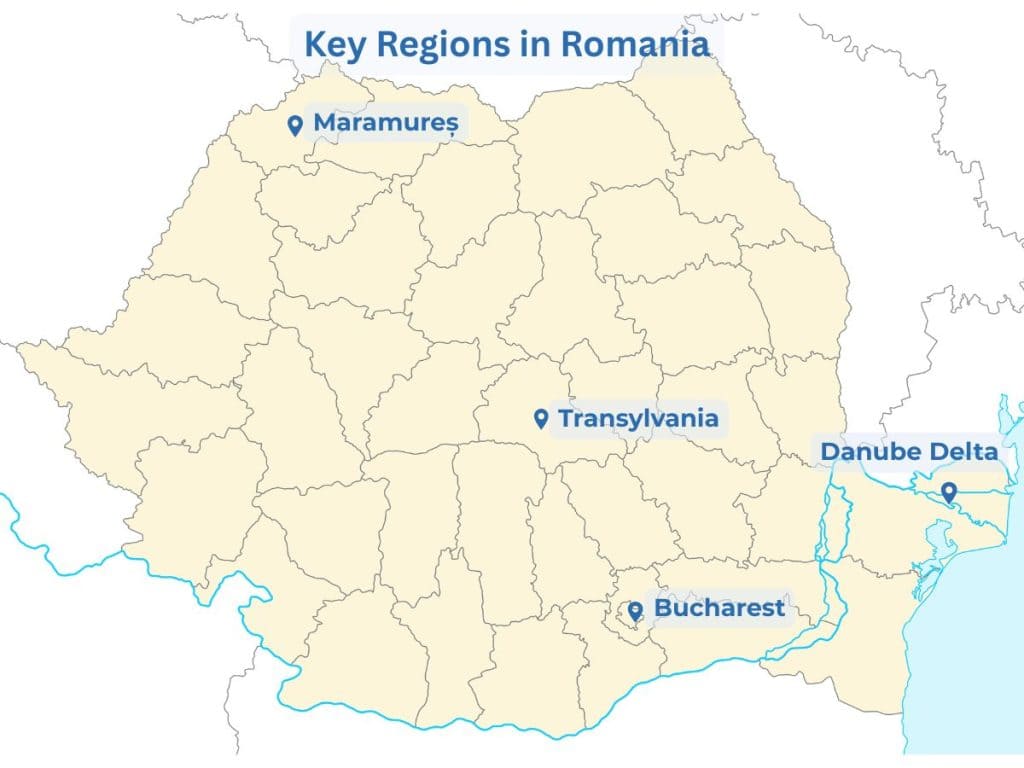
This map shows the key regions covered in this guide.
Bucharest: A City that Divides Opinions
Bucharest isn’t always everyone’s highlight when visiting Romania, but as the country’s capital, it was one of the biggest surprises of my trip—I didn’t expect to enjoy it as much as I did, and I would unreservedly say I loved it.
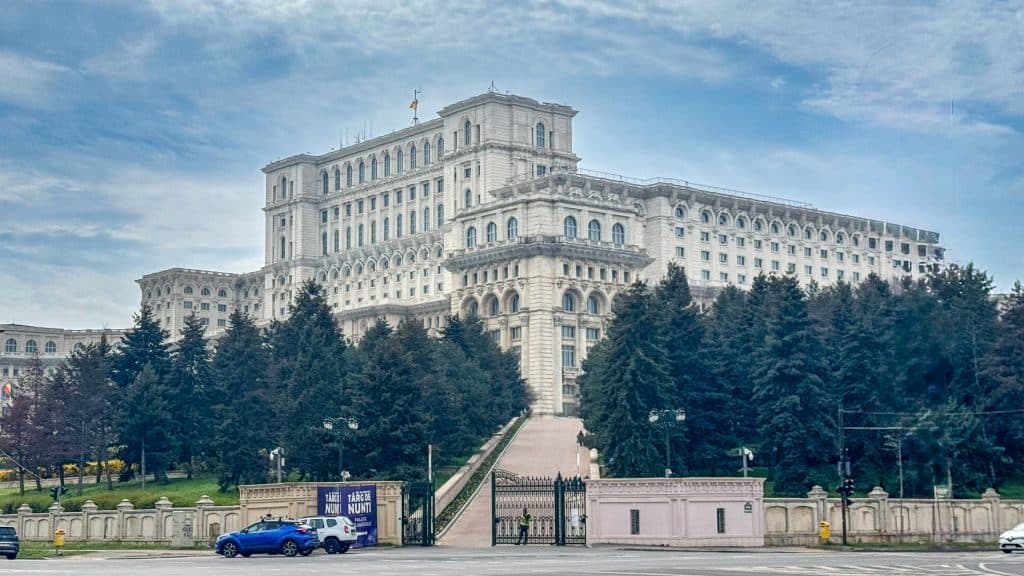
It’s a city of contrasts. Elegant Belle Époque buildings and grand landmarks sit alongside stark apartment blocks and large-scale government buildings from the communist era. It’s not a polished capital, but that’s part of its appeal.
I wasn’t sure how much time to allow here, but after two days I wished I had stayed longer. There’s enough to fill a couple of days comfortably, whether you’re exploring the Old Town, walking along Calea Victoriei, or joining a tour to better understand the city’s recent history.
It also works well as a starting point for a Romania itinerary. It’s easy to navigate, relatively affordable, and a good place to settle in before heading north to Transylvania.
👉 Explore the best things to do in Bucharest for first time visitors
👉 Find the best areas to stay in Bucharest for first-time visitors
Transylvania: The Heart of a First Trip
For most first-time visitors, Transylvania is the highlight of a trip to Romania.
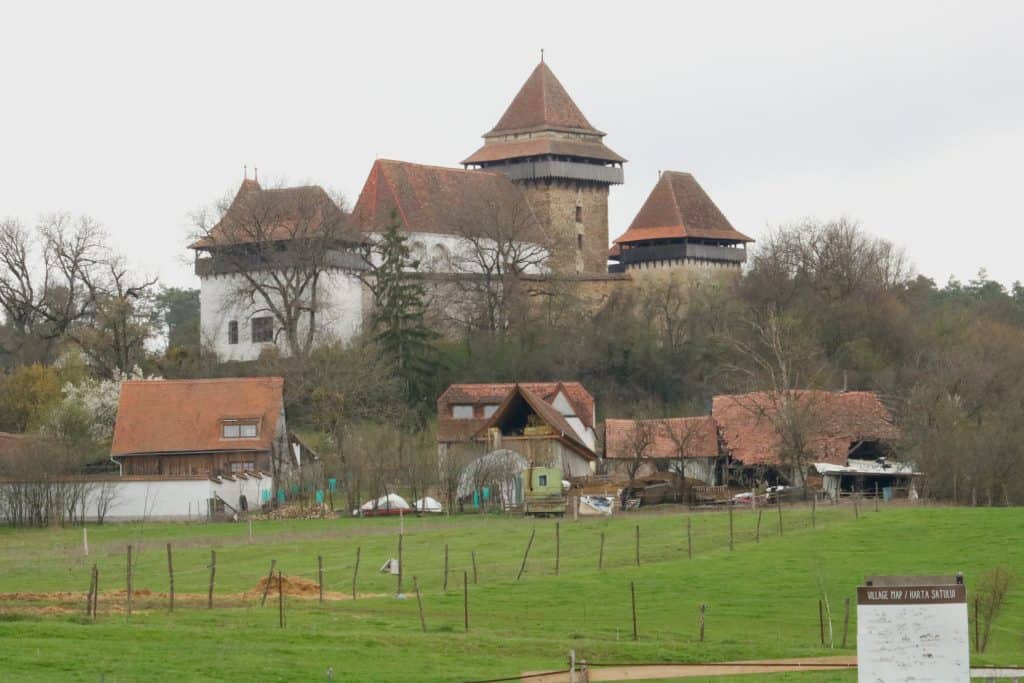
This is the region that draws people in—medieval towns, castles, and mountain scenery—but there’s more to it than the usual Dracula associations. Beyond the stereotypes, Transylvania is shaped by a mix of Saxon, Hungarian, and Romanian influences, which you can still see in the architecture, towns, and local traditions.
Places like Brașov, Sibiu, and Sighișoara are compact and easy to explore on foot, with historic centres that feel well preserved without being overly polished or crowded. What I liked most was that these aren’t just set-piece towns—everyday life still sits alongside the history.
It’s also one of the easiest parts of Romania to travel through. Distances between towns are manageable, and having a car makes it much easier to explore smaller villages and the surrounding countryside at your own pace.
If you’re short on time, this is where I would focus.
👉 Explore the best things to do in Transylvania beyond Dracula’s Castle

Beyond the Main Route (If You Have More Time)
If you have more time, there are a couple of regions beyond Bucharest and Transylvania that are worth considering—but they do require extra travel time and a bit more planning
Maramureș: A Slower, More Traditional Side of Romania
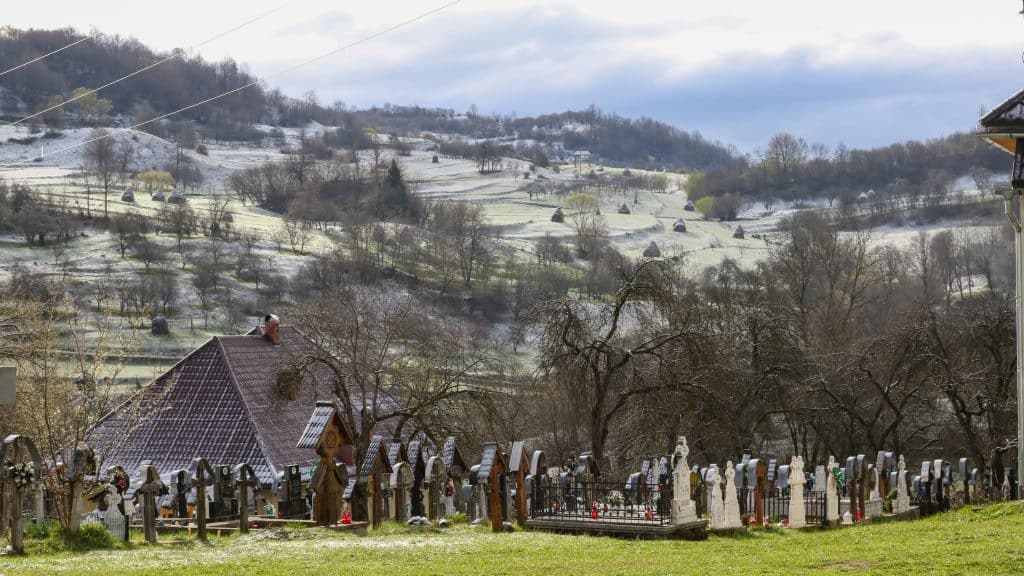
If you have the time to travel further north, Maramureș was the standout region of my trip.
It’s not as far as it might look on the map—around three to four hours’ drive from parts of Transylvania—but it feels like a different world once you arrive.
Villages like Breb sit in wide valleys surrounded by mountains, with haystacks scattered across green fields and smoke curling from chimneys. Life here still feels closely tied to the land, with animals in the yard, home-produced food, and daily routines that haven’t changed all that much over time.
What I enjoyed most wasn’t a single sight, but the experience of staying in a local guesthouse and being welcomed into everyday life. Meals were home-cooked and generous, often made from ingredients produced on-site, and even simple interactions—helped along with Google Translate—gave a glimpse into a way of life that feels increasingly rare in Europe.
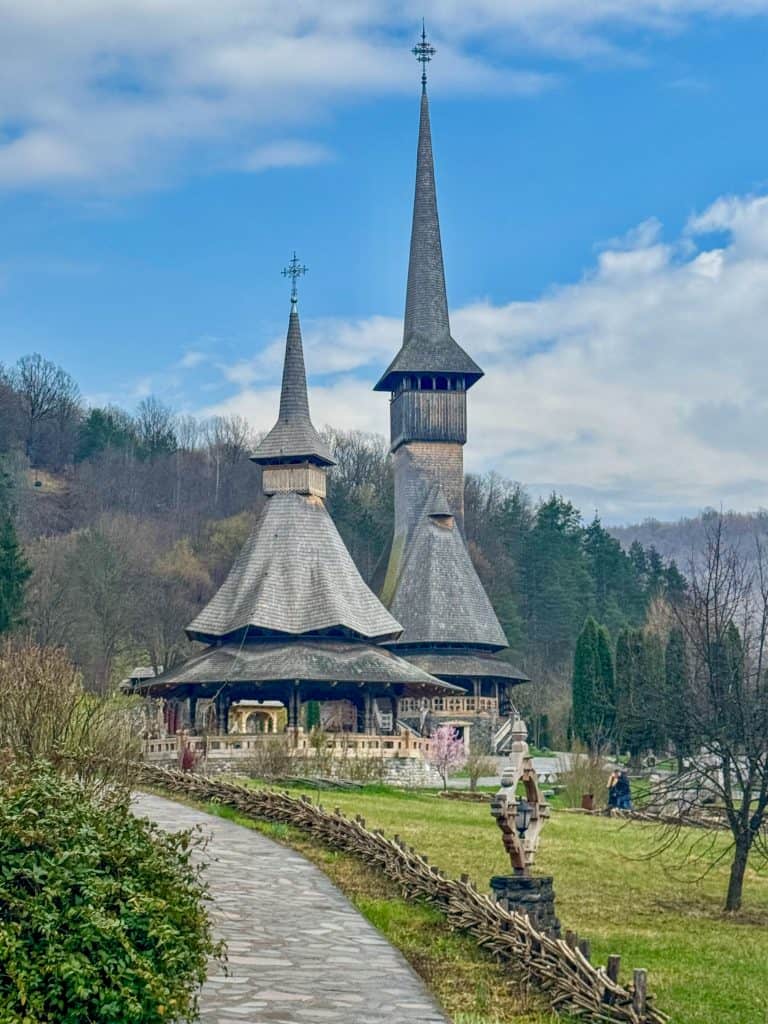
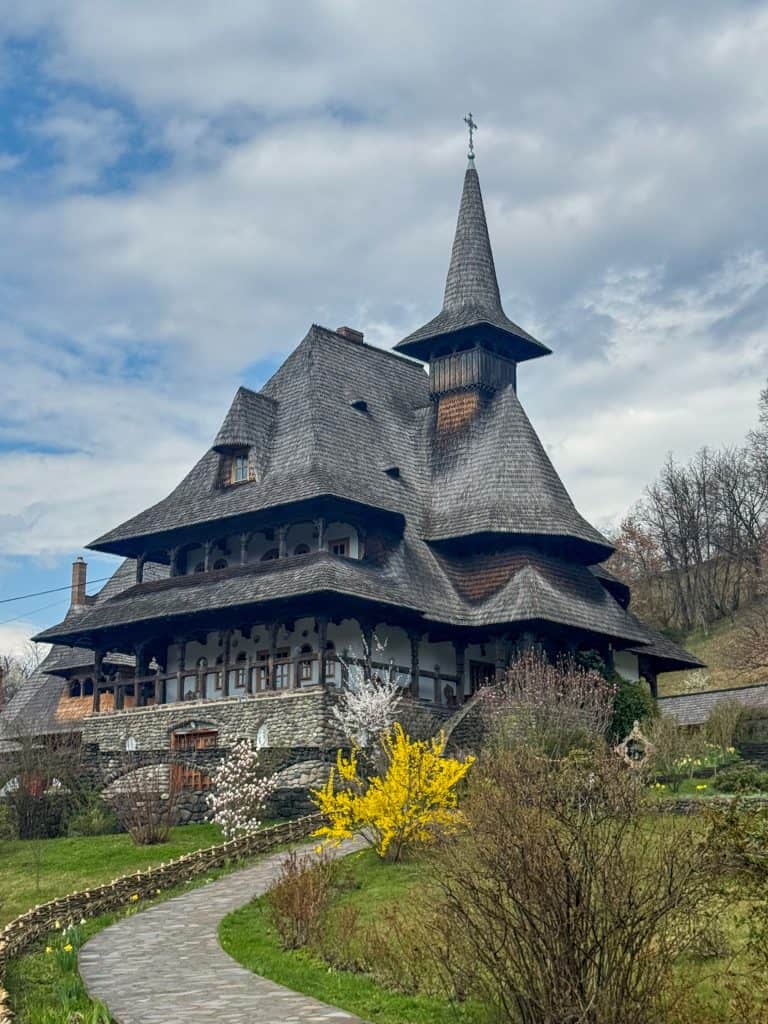
There’s also more here than just village life. Wooden churches, traditional crafts, and the Memorial of the Victims of Communism in Sighetu Marmației add depth and context to the region.
There’s also more here than just village life. Wooden churches, traditional crafts, and the Memorial of the Victims of Communism in Sighetu Marmației add depth and context to the region.
You’ll need a car and a bit more time, but it’s well worth the detour. If you enjoy seeing how people live beyond the main tourist centres, this is a region worth including.
If you’re planning a longer trip, this region fits well into a 10-14 day Romania road trip itinerary.
Danube Delta: A Completely Different Side of Romania
At the opposite end of the country, the Danube Delta offers something entirely different again.
This is one of Europe’s largest wetlands, where travel is by boat rather than car and the focus is on nature—birdlife, waterways, and slow, quiet exploration. It’s a more remote destination, typically reached via Tulcea, and requires a bit more planning to organise transport and accommodation.
It won’t suit every itinerary, but if you’re looking to add a contrasting experience to your trip, the Danube Delta is one of Romania’s most distinctive regions.
Suggested Romania Itineraries (7–14 Days)
Romania isn’t a country you want to rush. Distances are manageable, but travel takes time—especially once you move beyond the main cities. These suggested itineraries give you a realistic way to structure your trip, whether you have a week or closer to two.
7 Days in Romania
If you’re short on time, focus on Bucharest and Transylvania.
Start in Bucharest, Romania’s capital, and spend a day or two exploring the city. From there, head north into Transylvania, using Brașov or Sibiu as a base. This allows you to visit some of the region’s best-known sights, including Bran Castle, Peleș Castle and the surrounding mountain scenery.
This itinerary works well by train, although having a car will give you more flexibility—particularly if you want to explore smaller towns or travel at your own pace.
10–14 Days in Romania
With more time, you can experience a broader cross-section of the country.
Begin in Bucharest, then travel into Transylvania, moving between Brașov, Sibiu and Sighișoara. From here, continue north to Maramureș if you’re interested in traditional village life, before looping back through Transylvania or returning to Bucharest.
This is where hiring a car makes the biggest difference. While trains connect the main cities, they are slower and less frequent than in Western Europe, and don’t always make it easy to reach smaller towns or rural areas.
For a detailed day-by-day plan, including driving routes and where to stay, see our 10-14 day Romania road trip itinerary.
If you’re mapping out your trip, this itinerary shows how to connect Bucharest and Transylvania without rushing, with realistic times and stop suggestions along the way.
2 Weeks+: Add the Danube Delta
If you have two weeks or more, consider adding the Danube Delta.
This works best at the end of your trip, travelling from Bucharest to Tulcea, which is the main gateway to the Delta. From there, you’ll explore by boat, with most visitors staying in small guesthouses in the Delta itself.
It’s a slower-paced experience and requires a bit more planning, but it offers a completely different perspective on Romania.
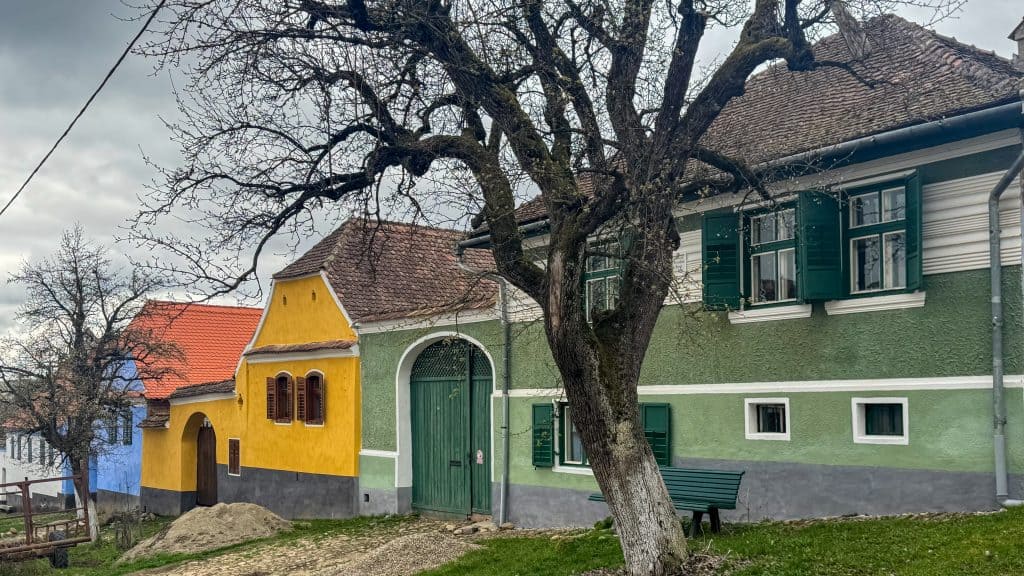
From medieval towns and castles to scenic drives, this guide shows why Transylvania offers far more than Dracula’s legend.
Plan Your Trip to Romania
Planning a trip to Romania is relatively straightforward, but a couple of early decisions will shape how your trip comes together—particularly how you plan to get around and how much ground you want to cover.
Getting Around Romania
How you travel in Romania will have a big impact on what you can realistically see.
Trains connect the main cities, including Bucharest, Brașov, Sibiu and Sighișoara, and they are a reasonable option if you’re planning a shorter trip focused on these areas. However, services are slower and less frequent than in Western Europe, and once you move beyond the main routes, connections can become limited.
If you want to explore more widely—particularly regions like Maramureș or smaller towns and rural areas—hiring a car is by far the easiest option. It gives you the flexibility to travel at your own pace, stop along the way, and reach places that are difficult to access by public transport.
Road conditions are generally good on main routes, but expect slower driving speeds, especially on rural roads or in the mountains. Allow more time than you think you’ll need between destinations.
Car Hire in Romania
If you’re considering a road trip, it’s worth arranging your car in advance—particularly during the warmer months.
Driving in Romania is manageable, even if you’re not used to it, but it does require a bit more attention. Traffic can be unpredictable in cities, and you’ll share the road with everything from trucks to horse-drawn carts in rural areas.

Compare Car Hire Prices in Romania
Hiring a car gave us the most flexibility in Romania, especially outside the main cities. DiscoverCars lets you check options across multiple providers before you book.
Travel Costs in Romania
Romania is one of the best-value destinations in Europe, particularly if you’re travelling independently and willing to explore beyond the main cities.
On a recent 14-day road trip, we travelled comfortably—staying in well-located apartments and guesthouses, eating out daily, and including a few guided experiences—without the costs you’d typically expect elsewhere in Europe .
For a mid-range trip, you can expect roughly:
- Around €70–100 per night for comfortable accommodation (per couple)
- €40–60 per day for food and drinks
- €40–60 per day for food and drinks
- €40–60 per day for transport, depending on whether you hire a car
Overall, a realistic daily budget comes in at around €100–120 per person, depending on your travel style.
What Drives Your Costs
Transport has the biggest impact on your budget. Hiring a car increases daily costs, but it makes it far easier to explore regions like Maramureș, where public transport is limited.
Accommodation and food remain good value across the country, particularly outside the main tourist areas.
For a full breakdown of what we spent, see our Romania travel cost guide with a detailed daily budget.

What It Really Costs to Travel in Romania
Wondering how expensive Romania actually is? This detailed breakdown covers accommodation, food, transport and daily costs based on our 14-day road trip.
Where to Stay in Romania
Most first-time visitors base themselves in Bucharest and one or two locations in Transylvania.
Accommodation is generally good value across the country, with a wide range of apartments, guesthouses and hotels.
Bucharest: Start or End Your Trip
In Bucharest, it’s worth choosing a central location close to the Old Town or within easy reach of it. This gives you convenient access to major sights, restaurants and transport connections without spending time navigating across the city. If you’re planning your stay, this guide to the best areas to stay in Bucharest for first-time visitors will help you choose the right neighbourhood.
It is possible to visit parts of Transylvania as a day trip from Bucharest—particularly places like Brașov or Bran Castle—and this can work if you’re short on time. However, distances are longer than they appear on the map, and you’ll spend a good part of the day travelling. If you can, it’s worth staying at least a night or two in the region.
Transylvania: Choose One or Two Bases
Rather than moving every night, it’s easier to base yourself in one or two locations and explore from there.
Brașov is often the most practical choice for first-time visitors, with easy access to Bran Castle, Peleș Castle and the surrounding mountains. Sibiu offers a slightly different feel, with a compact historic centre and a good mix of culture and day trips. Sighișoara is smaller again and works well for a night or two if you want to stay within or near to the medieval citadel.
All three are well set up for visitors, so your choice will come down to your route and how much time you have.
Where to Stay in Bucharest for First-Time Visitors
Choosing the right area makes a big difference in Bucharest. This guide breaks down the best neighborhoods and accommodation options for a comfortable stay.
Practical Tips for Visiting Romania
A few small details can make your trip to Romania much smoother—particularly if it’s your first time visiting.
Getting Connected
Mobile coverage is generally good across Romania, particularly in cities and along main travel routes. International roaming worked reliably for us in Bucharest and across much of Transylvania.
The main exception was Maramureș, where coverage dropped to an “E” signal—meaning data was too slow to be useful for maps or bookings. If you’re travelling to more rural areas, it’s worth having a backup plan.
An eSIM or local SIM can be a good option if you expect to rely heavily on mobile data, particularly for navigation on a road trip. Alternatively, downloading offline maps in advance can help bridge the gaps.
Cash and Payments
Card payments are widely accepted in cities, restaurants and hotels, but cash is still useful—particularly in smaller towns, markets and rural areas.
ATMs are easy to find, and withdrawing local currency (Romanian Leu) is usually the simplest option.
Driving and Road Conditions
If you’re hiring a car, allow more time than you expect between destinations. Distances aren’t large, but driving can be slower than anticipated, particularly on rural roads or through the mountains.
Road conditions are generally good on main routes, but traffic can be unpredictable and overtaking is common. In rural areas, you may also share the road with horse-drawn carts and farm vehicles, which are part of everyday life rather than a novelty.
Despite this, driving is manageable and well worth it for the flexibility it offers—particularly in regions like Maramureș.
Language
English is widely spoken in Bucharest and across much of Transylvania, particularly in hotels, restaurants and tourist areas.
The only place we had any real difficulty was in Maramureș, where little English was spoken. Even then, it was never a problem—between hand gestures and a translation app, we were able to get by, and those interactions often ended up being some of the most memorable parts of the trip. People were incredibly friendly and welcoming, and communication became part of the experience rather than a barrier.
Tours and Local Experiences
English is widely spoken in Bucharest and across much of Transylvania, particularly in hotels, restaurants and tourist areas.
The only place we had any real difficulty was in Maramureș, where little English was spoken. Even then, it was never a problem—between hand gestures and a translation app, we were able to get by, and those interactions often ended up being some of the most memorable parts of the trip. People were incredibly friendly and welcoming, and communication became part of the experience rather than a barrier.
Best Time to Visit Romania
The best time to visit Romania is late spring (May–June) or early autumn (September), when weather is mild and crowds are lower.
Spring can be unpredictable, particularly in April. When we travelled, we had a mix of sunshine, cold days and even snow in Maramureș—so it’s worth packing for a range of conditions.
Summer (July and August) brings long days and warmer weather, making it ideal for exploring Transylvania and the countryside. However, cities can be hot and popular areas busier.
Autumn is a particularly good time to visit if you enjoy scenic drives and a quieter pace, with cooler temperatures and changing colours across the landscape.
Winter is best suited to those specifically interested in snow, Christmas markets or winter traditions.
For a more detailed breakdown of seasons, weather and festivals, see our full guide to the best time to visit Romania.
Planning Your Trip to Romania
Planning your route in advance will make your trip to Romania much easier. Distances are manageable, but travel takes time, so it helps to be clear on how much you want to cover.
For most first-time visits, a combination of Bucharest and Transylvania works well. A road trip gives you the flexibility to explore smaller towns and rural areas along the way. If you have more time, heading further north to regions like Maramureș adds a very different perspective.
If you’re working out the details, these guides will help you pull everything together:
👉 Plan your route: 10–14 Day Romania Road Trip Itinerary
👉 Understand costs: Romania Travel Costs Guide
👉 Choose where to stay: Where to Stay in Bucharest for First-Time Visitors
👉 Explore more experiences: Things to Do in Transylvania
Romania isn’t a destination to rush. Some of the most memorable parts of our trip were the simplest—driving through the countryside, conversations with locals, or time spent in places that aren’t on every itinerary.
If that’s the kind of travel you enjoy, Romania is well worth the time.
If you’re still deciding whether Romania is right for you, you can read more in our guide to the reasons to visit Romania.

Frequently Asked Questions About Visiting Romania
Yes — particularly if you enjoy history, countryside and slower travel. Romania offers a mix of medieval towns, scenic drives and strong local traditions, often at better value than Western Europe. It’s a good fit for travellers who prefer exploring beyond the main tourist trail.
Allow at least 7–10 days for a first visit. This gives you time to see Bucharest and explore part of Transylvania without rushing. With 10–14 days, you can travel at a more relaxed pace or include regions like Maramureș.
Driving is usually the easiest way to get around, particularly if you plan to visit smaller towns or rural regions. Trains connect major cities, but services are slower and less frequent than in Western Europe.
It’s possible, but not ideal. You’ll spend several hours travelling each way, which limits how much you can see. Staying at least one or two nights in Transylvania gives you a much better experience.
Romania is still relatively affordable compared to much of Western Europe, particularly for accommodation and dining. Costs can vary depending on season and travel style.