Things to do in Transylvania Beyond Dracula’s Castle
Freedom Years Travel contains affiliate links. If you make a purchase using one of the links below, we may receive compensation at no extra cost to you. We only recommend products and services we use and trust. Read our disclaimer for more information.
Transylvania immediately conjures images of misty castles and tales of Dracula. You might be drawn to visit Bran Castle, but wondering what else there is to do in this legendary region?
Beyond the vampire stories, Transylvania offers rolling hills, fortified medieval towns, and centuries-old villages shaped by Hungarian, Ottoman, and German influences — a mix that’s still visible in the architecture, local traditions, and food.
This guide to things to do in Transylvania looks beyond the obvious sights. From wandering the streets of Brașov and Sighișoara to visiting Saxon villages and learning where to see brown bears, the region offers a wonderful mix of history, culture, and outdoor experiences.
You’ll also find planning tips on where to base yourself, helping you decide what makes sense for your itinerary.
If you’re still deciding whether Romania belongs on your Europe itinerary, Transylvania is one of the strongest reasons to go — and I’ve shared more in my post on why visit Romania.
Map of the Top Things to Do in Transylvania
Transylvania isn’t a single town or valley — it’s a wide region with medieval cities, castles, fortified churches, and mountain areas spread out across central Romania. The map below shows where the main attractions sit in relation to each other, which helps when planning routes and travel times.
Wander Transylvania’s Medieval Towns
Transylvania’s medieval towns are compact, easy to navigate, and well suited to independent travel. Many were founded or shaped by Saxon settlers, evident in their fortified churches and central squares. These are places best explored on foot, with enough time to notice how everyday life still fits around the historic centre.
It’s also a region that lends itself well to driving. The distances between towns are manageable, roads are generally straightforward, and having a car makes it easier to combine places like Brașov, Sighișoara, and smaller Saxon villages into a flexible route — something I cover in more detail in my Romania road trip itineraries.
Brașov
Brașov is often the first stop in Transylvania. The old town is compact and walkable, centred on Council Square and the Black Church, with forested mountains rising straight behind it. It works well as a base, but even a brief stay is worthwhile.
Tampa Mountain sits directly above the old town and can be reached on foot or by cable car, giving you a clear view over the rooftops. It’s an easy way to add time outside without committing to a longer hike elsewhere in the region.
If you want some background rather than just wandering, a short walking tour can be useful for understanding Brașov’s past as a trading town, as well as picking up a few practical tips and restaurant ideas.

Sighișoara
Sighișoara, a UNESCO World Heritage-listed citadel is smaller and more self-contained than Brașov, with its medieval citadel set above the lower town. The streets inside the walls are steep and cobbled, and while the town is carefully preserved, people continue to live and work within the citadel.
The citadel was built by Saxon settlers in the 12th and 13th centuries and developed around a system of guilds, each responsible for maintaining its own defensive tower. Exploring on foot is straightforward, however a walking tour adds context that you won’t get from a tourist map. Evening walking tours are also available.
One small but notable stop inside the citadel is the house where Vlad Țepeș was born in 1431, both a restaurant and a small museum that looks at his life and legacy.
Looking back, Sighișoara is one of the towns where I wished I’d allowed more time. It’s easy to visit briefly, but taking your time here will make the experience far richer.

Sibiu
Sibiu feels more open and orderly than many of Transylvania’s medieval towns. Its historic centre, a UNESCO World Heritage site, is built around spacious squares rather than narrow lanes. The “eyes” in the rooftops—small angled windows—might sound gimmicky, but they draw your attention once you notice them.
The town is easy to explore on foot. Streets are straightforward and the distances manageable. There is a mix of historic buildings, cafés, and everyday life which are perfect for wandering. In winter, the main square hosts one of Romania’s best-known Christmas markets.
Visit Transylvania’s Royal Castles
Peleș Castle
Many travellers nominate Peleș Castle as their favourite castle in Romania. Built in 1873 by King Carol I, the castle sits in the forests near Sinaia and feels like something straight out of a fairy tale. Inside, the rooms are richly decorated, offering a glimpse into royal life, while the surrounding woodland reinforces that storybook atmosphere. Close by is Pelișor Castle, smaller and less formal, with more of a personal, lived-in feel.

Bran Castle
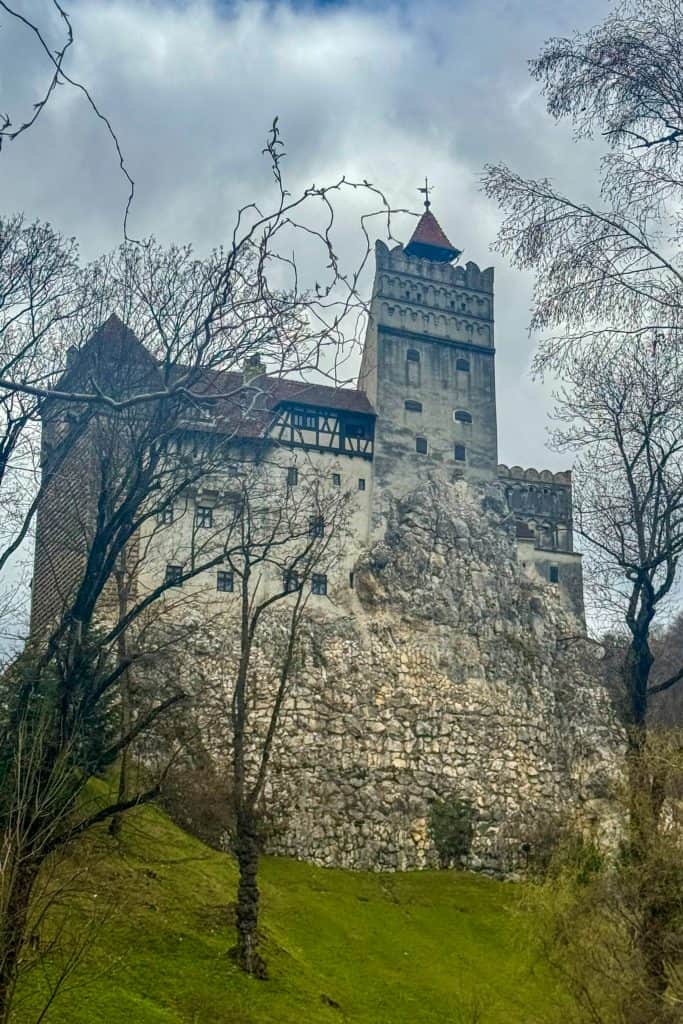
Bran Castle sits on a rocky outcrop above a narrow mountain pass, and it’s immediately striking when you see it from below. For centuries, the castle helped control movement between Transylvania and Wallachia.
It’s one of Transylvania’s most visited sites, largely because of its link to Dracula. In reality, that connection is fairly loose—Bram Stoker never visited Romania, and the castle was more likely an inspiration than the actual setting of the story.
Visitors are divided on whether it’s overrated, but I found it worthwhile for several reasons: its role as a royal residence, the displays about local superstitions and medieval torture methods were all fascinating.
The castle involves a lot of stair climbing and narrow passages, which is worth knowing before you go.
Cantacuzino Castle
Cantacuzino Castle, near Bușteni, was built in the early 20th century by the noble family of the same name. Unlike Peleș, it has a more eclectic, storybook appearance, and the terraces offer wide views over the valley. The castle has also appeared in film and television, including the recent Wednesday series, giving it a modern pop-culture connection alongside its history.
Corvin Castle
Corvin Castle, built in the 15th century by the powerful Hungarian Hunyadi family, served as both home and fortress. John Hunyadi, the most famous family member, defended the region against Ottoman raids, and the castle’s design makes it easy to see why these strongholds were so important. From the outside, it looks straight out of a storybook, complete with knights and dragons!
It can get crowded with school groups, so visiting early or later in the day works best.

Explore Transylvania’s Fortified Churches
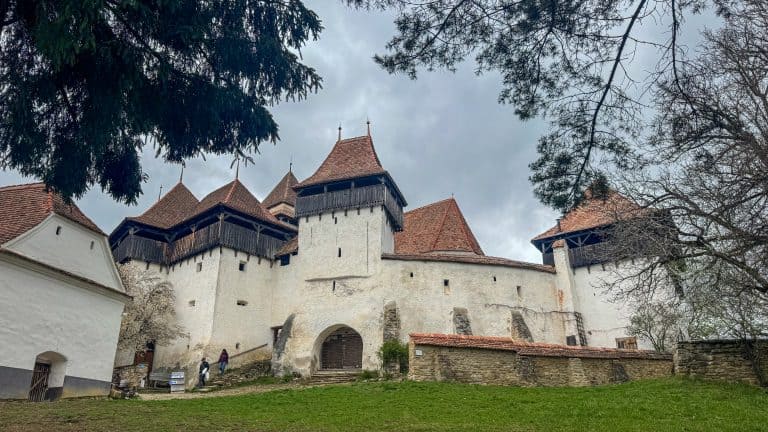
Transylvania’s villages are dotted with fortified churches, built by Saxon communities to protect themselves from the frequent raids that swept through Romania over the centuries. Thick walls, watchtowers, and storage rooms weren’t just defensive—they meant people and livestock could survive together during attacks. Visiting them gives a clear sense of how closely everyday life and defence were interconnected.
Viscri Fortified Church
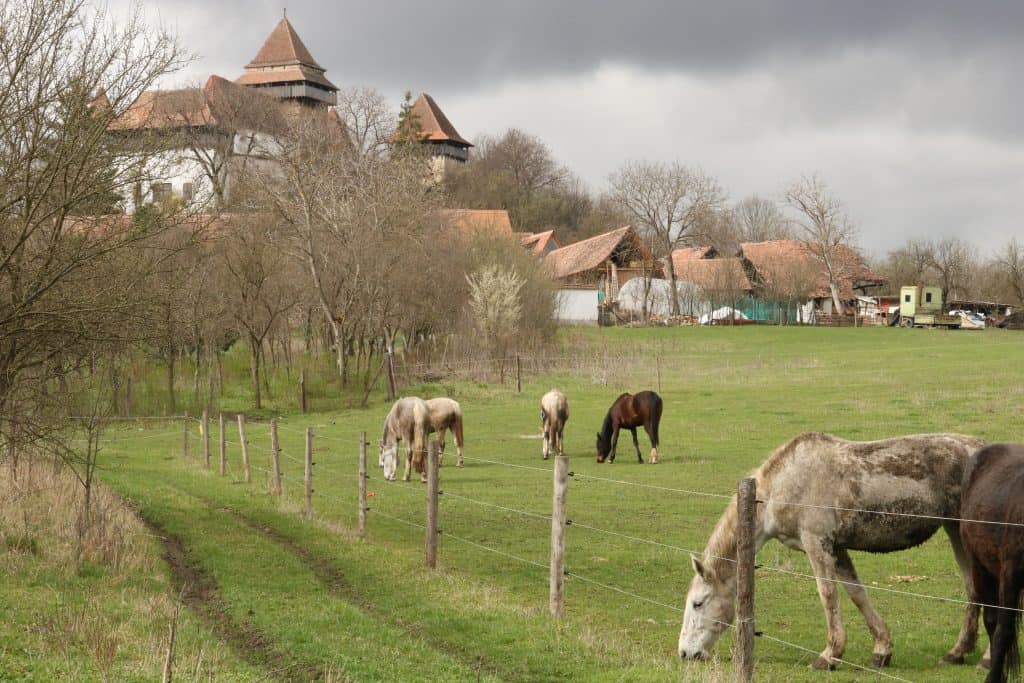
Viscri Church, part of Transylvania’s UNESCO-listed villages, dates back to the 13th century and was built by Saxon settlers. Its walls once protected the village and animals during raids. Unlike the larger fortified sites, it still feels closely connected to daily village life. King Charles III has supported efforts to preserve the church and the traditional houses around it.
When we visited, there seemed to be more dogs, geese, horses, and hens than people in the village’s main street—a welcome change of pace from the busier, more mainstream tourist attractions.

Prejmer Fortified Church
Prejmer is one of the best-preserved fortified churches in Transylvania and a UNESCO World Heritage Site. The walls are massive, with small rooms where families could shelter and store supplies during a siege. It’s less atmospheric than Viscri, but excellent if you want to understand the practical side of these fortifications.
Rupea Citadel
Rupea Citadel sits high above the surrounding countryside, and its strategic value is clear the moment you see it. The climb up is gentle, and the spacious interior makes it easier to explore than some of the tighter, more enclosed castles. It’s a simple fortress, but the views and elevated position show why visibility and height were so important for defence in Transylvania.
Râșnov Citadel
Râșnov Citadel was built as a refuge for local villagers rather than as a residence. Inside the walls, there’s space for basic housing, storage, and communal life. The walk up is steady, though a cheap tractor ride is an option.
When we visited, the interior was closed for repairs, but the views over the town and surrounding valleys still make its strategic location obvious. Visitors can also try pony rides or archery, adding a bit of hands-on fun to the experience.

Alba Carolina Fortress
Alba Carolina Fortress (Alba Iulia) is a large 18th-century fortress built under Habsburg rule. Unlike hilltop citadels or village fortifications, this was a planned military complex, with wide bastions, gates, and open spaces. It’s easy to walk and well restored. While it might lack the atmosphere of medieval castles, its scale and significance make it worth including if you’re travelling through central Transylvania.
Experience Transylvania’s Landscapes
Transylvania isn’t just about castles and fortified churches—it’s also a region of wide landscapes, rolling hills, deep forests, and dramatic mountains. Even from the car, the scenery is captivating, with winding roads revealing villages, grazing livestock, and quiet country lanes that feel far removed from the tourist trail.
Hiking and Mountain Views
The Carpathians carve through the region, offering short walks for those who want them, or longer treks for serious hikers. Around Brașov, Tampa Mountain provides quick access to panoramic views of the city and surrounding peaks, while the Piatra Craiului range promises more ambitious trails and dramatic cliffs.
Many routes pass through national parks where wildlife and scenery still feel untouched. And a word of warning: Romania has the highest chance of encountering bears in Europe, so if you do plan to hike, it’s worth getting a few tips about what to do if you run into one of these ‘locals’.
Timing matters too, particularly if you’re planning your visit around hiking, seasonal highlights, or winter travel—more on that in my guide to the best time to visit Romania.

Visit Turda Salt Mine and Other Unique Attractions
Transylvania isn’t all castles and medieval towns. Some of its most memorable sights are simply unusual, and Turda Salt Mine (Salina Turda) is one of the best-known examples.
Near Cluj-Napoca, the mine plunges deep underground into enormous salt chambers. Walkways and lighting make it easy to explore, but it’s the scale that wows. One chamber holds a giant wheel—you can’t ride it like a ferris wheel, but it perfectly captures the mine’s otherworldly feel. Another is home to an underground lake, where you can take a short boat ride across the glassy water.
Turda is easy to fit into a half-day visit from Cluj or on a regional road trip, and it’s consistently listed among Transylvania’s most unusual attractions.
Just outside the city, Hoia-Baciu Forest has earned a reputation as Romania’s “haunted forest.” Twisted trees, misty clearings, and tales of unexplained lights have made it a magnet for curiosity-seekers. Whether you buy into the legends or not, it’s a striking, off-beat stop that feels completely different from the region’s castles and villages.
See Bears in Transylvania: Ethical Wildlife Experiences
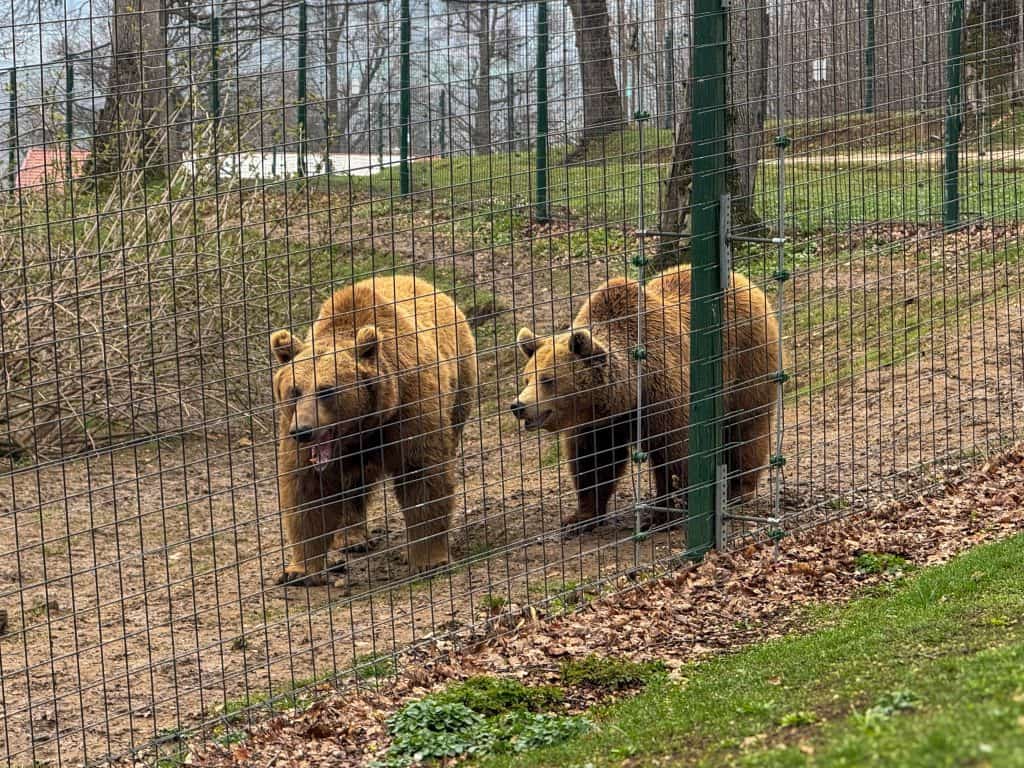
Transylvania is one of the best places in Europe to see brown bears—but you can’t just stumble across them safely. Aside from Russia, Romania has the largest brown bear population in Europe, and in some regions they are very much part of everyday life. Every local I spoke to was wary of bears. They are wild animals and need to be treated with caution.
One of the best ways to see them responsibly is at the Libearty Bear Sanctuary near Brașov, which rescues bears from captivity or poor conditions. Visits are guided and carefully managed, but be prepared—some of the stories about how the bears were treated are upsetting. However, they underline why the sanctuary’s work is so important.
There is some gradual uphill walking required and photography is regulated—anything other than a phone camera requires payment of a special fee.
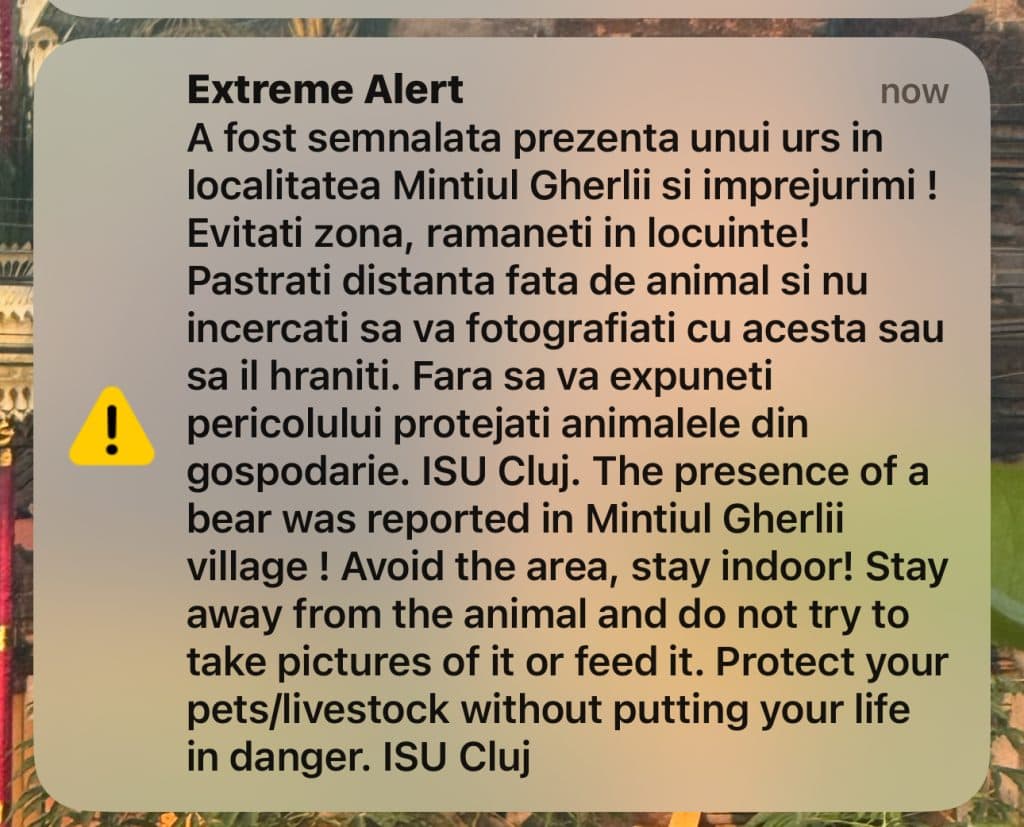
Even outside the sanctuary, bears are a real part of the landscape. During our visit, we got a bear alert—an alarm and text warning of a recent sighting, telling people to stay away. A reminder that these animals roam forests, villages, and mountain roads, not just protected areas.
Guided bear-watching tours near Brașov offer a safe way to see them in the wild. When run responsibly, they teach about bear behaviour and how humans and wildlife can coexist—without putting anyone at risk.
Where to Stay in Transylvania – Choosing the Right Base
Deciding where to stay in Transylvania comes down to how you plan to travel and which parts of the region you want to focus on. Distances can look short on a map, but mountain roads and slower rural driving mean it’s worth choosing a base that minimises backtracking.
Brașov
For many travellers, Brașov is the most practical base. It sits close to Bran Castle, Râșnov, Prejmer, and several bear-watching areas, while still offering good restaurants, walkable streets, and easy day trips.
Short on time or not driving?
Several day tours from Brașov combine nearby highlights into a single itinerary. They’re a practical option if you don’t have a car and want to avoid mountain driving or rural roads.
-
Peleș Castle, Bran Castle & Râșnov Fortress Day Tour
A straightforward way to see Transylvania’s best-known castles in one day. -
Sighișoara & Viscri UNESCO Day Tour from Brașov
Ideal if you’re interested in Saxon heritage and want to visit two UNESCO sites without driving. -
Bran Castle, Râșnov Fortress & Libearty Bear Sanctuary Day Tour
Combines a castle visit with the Libearty Bear Sanctuary.
Cluj-Napoca
Cluj-Napoca suits travellers exploring western Transylvania. It’s a good base for visiting Turda Salt Mine and surrounding countryside, and it has a lively dining and cultural scene. Cluj feels more like a modern university city than a medieval one, which can be a plus or minus depending on what you’re after.
Based in Cluj and not driving?
Several day tours from Cluj cover key Transylvania highlights in one trip. They’re a practical option if you don’t have a car or want to avoid backtracking on rural roads.
-
Turda Salt Mine, Corvin Castle & Alba Carolina Tour
Covers Romania’s famous salt mine, a medieval fortress, and the historic Alba Carolina Citadel. -
Corvin Castle & Sibiu Fortified City Day Tour from Cluj
Combines a dramatic hilltop castle with a well-preserved Saxon city, ideal for history enthusiasts. -
Turda Salt Mine & Sighișoara Fortress Day Tour from Cluj
Pairs the underground spectacle of Turda with the colorful medieval citadel of Sighișoara.
Sibiu
Sibiu suits travellers arriving from southern Romania or planning a broader road trip. Its historic centre is compact and beautifully preserved, and the surrounding landscapes add to its appeal. Sibiu is less convenient as a base for eastern Transylvania, but it fits naturally into a longer, multi-stop itinerary.
Based in Sibiu and not driving?
These day tours from Sibiu cover nearby castles and historic sites in a single trip. They’re a practical option if you don’t have a car or prefer to avoid navigating rural roads.
-
Alba Iulia & Corvin Castle Guided Tour
Explore the impressive hilltop fortress at Alba Iulia alongside the dramatic medieval Corvin Castle. -
Day Tour to Brașov & Dracula’s Castle from Sibiu
A full-day trip combining Brașov with the iconic Bran Castle, ideal for first-time visitors.
There’s no single best place to stay in Transylvania. The right base depends on your route, interests, and how fast you like to travel. Allowing some flexibility—and, in many cases, using more than one base—makes it much easier to experience the region without feeling rushed.
Is Transylvania Worth Visiting?
If you’re wondering whether Transylvania is worth visiting, the short answer is yes — and not just because of Dracula or Bran Castle.
This is one of Romania’s most varied regions, with medieval towns like Brașov and Sighișoara, hilltop citadels, fortified Saxon villages, and wide open countryside. There are also a few genuinely unusual sights, including the Turda Salt Mine, plus opportunities to see brown bears responsibly.
What makes Transylvania particularly interesting is how many different influences have shaped it over time. Saxon settlers, Hungarian and Ottoman rule, and Romanian traditions have all left their mark, and you can still see that mix in the architecture, towns, and rural landscapes. Whether you’re drawn to history, scenery, or a slower pace of travel, it’s easy to fill a week here.

FAQs for Things to do in Transylvania
Transylvania is famous for Bran Castle and its Dracula connections, but there’s much more to explore. Medieval towns like Brașov, Sighișoara, and Sibiu, fortified churches, royal castles like Peles, and unique sites such as Turda Salt Mine are all worth a visit. Outdoor lovers will enjoy hiking the Carpathians.
Bran Castle is worth visiting if you go for the setting and history, not the Dracula story. The link to Dracula is mostly marketing, and that’s where many visitors feel disappointed. What does stand out is the castle’s dramatic position above the valley and its role as a medieval defensive stronghold.
Seeing bears is possible both at the Libearty Bear Sanctuary and in the wild on guided tours. Always remember that brown bears are wild animals. Locals take bear sightings seriously, so never approach a bear and follow safety instructions.
The best bases are Brașov, Cluj-Napoca, or Sibiu, depending on your route. Brașov is convenient for medieval towns and castles in the south, Cluj-Napoca works for northern Transylvania, and Sibiu provides access to Saxon villages and fortified churches.
Yes. Unlike grand castles, many fortified churches were built by Saxon communities to protect entire villages. Visiting sites like Viscri or Prejmer gives you a clear sense of local life and practical defence strategies throughout the region’s history.
Absolutely. Hiking, cycling, and winter sports near Brașov are popular, and attractions like Turda Salt Mine offer unique underground experiences.
Spring and autumn are ideal for avoiding crowds while enjoying mild weather. Summer is busier but offers longer days, while winter attracts snow sports enthusiasts, particularly around Brașov.
Yes. Romania is generally safe, but take standard precautions, especially when hiking or travelling in rural areas where wildlife may be present. Be cautious of bears and follow local guidance.
A week allows you to see the highlights, including medieval towns, royal castles, fortified churches, and some outdoor adventures. Longer stays let you explore smaller villages, remote landscapes, and wildlife in more depth.
The distance depends on which part of Transylvania you’re visiting. Brașov is about 185 km (around 2.5–3 hours by car), while Cluj-Napoca is roughly 450 km (about 6–7 hours by car). Train and bus options are available, though driving gives the most flexibility for exploring medieval towns and rural areas.
Driving is the most convenient if you want to explore multiple towns and castles. Alternatively, trains and buses connect Bucharest with major cities like Brașov, Sibiu, and Cluj-Napoca. For faster travel, domestic flights are available to Cluj-Napoca, but you’ll still need ground transport to reach smaller villages and attractions.